Iran Floats ‘Insurance Fees’ as It Asserts Control Over Strait of Hormuz
Iran has intensified its efforts to strengthen control over the strategically vital Strait of Hormuz by proposing a new system of “insurance fees” for ships passing through the waterway. The move comes amid ongoing negotiations following a recent U.S.-Iran memorandum of understanding and has sparked concern among global shipping companies, energy markets, and maritime law experts.
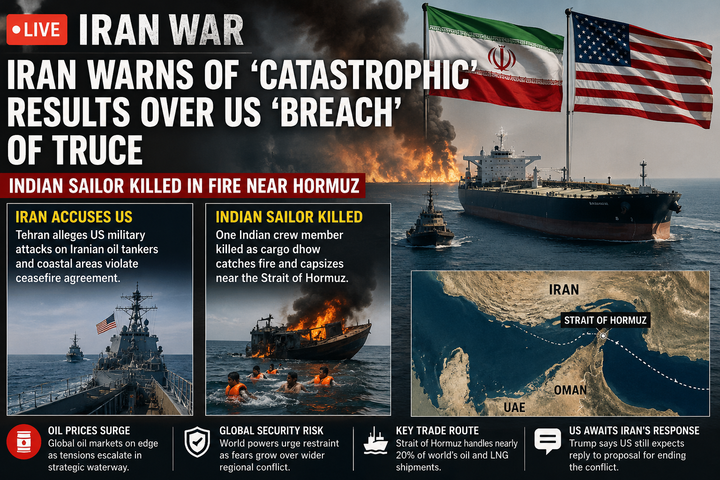
The Strait of Hormuz is one of the world's most important maritime chokepoints, connecting the Persian Gulf to international waters. A significant share of global oil and liquefied natural gas exports passes through the narrow route every day, making any change in its management a matter of international concern. Even minor disruptions can influence fuel prices, shipping costs, and global trade flows.
According to Iranian officials, vessels transiting the strait will be required to obtain authorization and carry coverage issued through a newly established regulatory framework managed by the Persian Gulf Strait Authority (PGSA). Tehran argues that the system is necessary to ensure safety, environmental protection, and navigation management in a region that has witnessed months of military tensions and maritime security incidents.
For now, Iran has announced a 60-day waiver period during which no fees will be charged. However, ships are still expected to submit transit requests in advance and coordinate their routes with authorities. After the waiver period ends, Iran says it reserves the right to impose charges linked to insurance, security, and navigation services.
The proposal has generated controversy because many maritime experts consider the Strait of Hormuz an international waterway where transit rights should remain unrestricted. Critics argue that charging vessels for passage could conflict with established principles of international maritime law. Several shipping organizations have expressed concern that a fee-based regime could increase operating costs and create uncertainty for vessel operators.
Shipping companies are already facing elevated costs due to security concerns in the region. War-risk insurance premiums surged dramatically during the recent Hormuz crisis, with some reports indicating that coverage costs increased thousands of times above normal levels. Industry analysts warn that additional fees could further burden operators already coping with heightened security expenses.
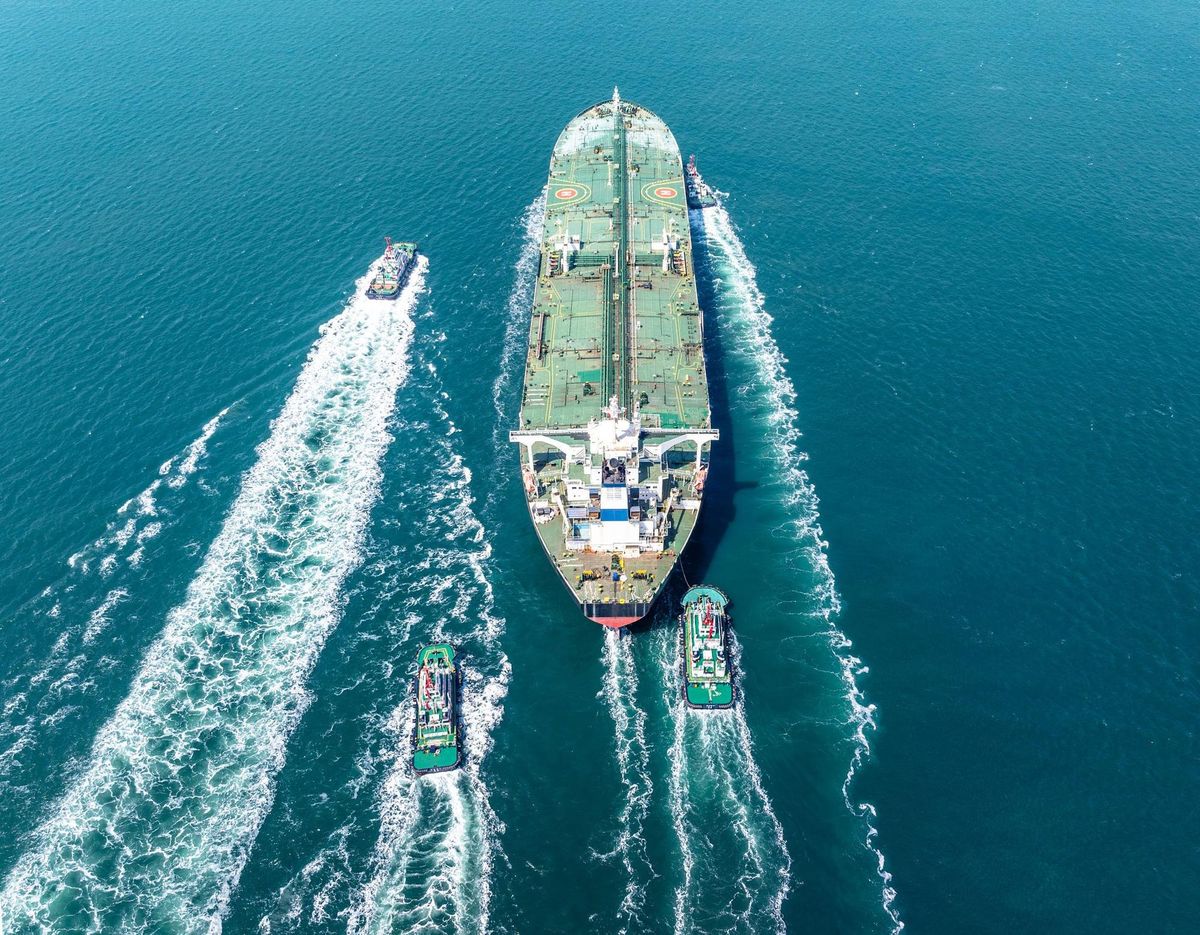
Despite these concerns, oil shipments through the strait have begun to recover following signs of reduced tensions between Washington and Tehran. Tanker traffic has increased in recent days, and Gulf energy producers have resumed some export activities that were previously disrupted by security fears. However, uncertainty remains over how the proposed fee structure will be implemented and whether major maritime powers will recognize Iran's authority to impose such charges.
Regional governments have reacted cautiously. Some Gulf states have questioned the legality of any transit fee system, while international organizations continue monitoring developments closely. Oman and other regional stakeholders are expected to play important roles in discussions concerning future navigation arrangements and maritime governance in the area.
For global markets, the issue extends far beyond shipping administration. The Strait of Hormuz remains a critical artery for energy supplies, and any dispute over transit rules could affect oil prices, insurance markets, and international trade routes. As negotiations continue, governments and industry leaders are watching closely to see whether Iran's proposed insurance-fee system evolves into a permanent feature of one of the world's most important waterways.