Trump Explains Why He Cut a Deal With Iran
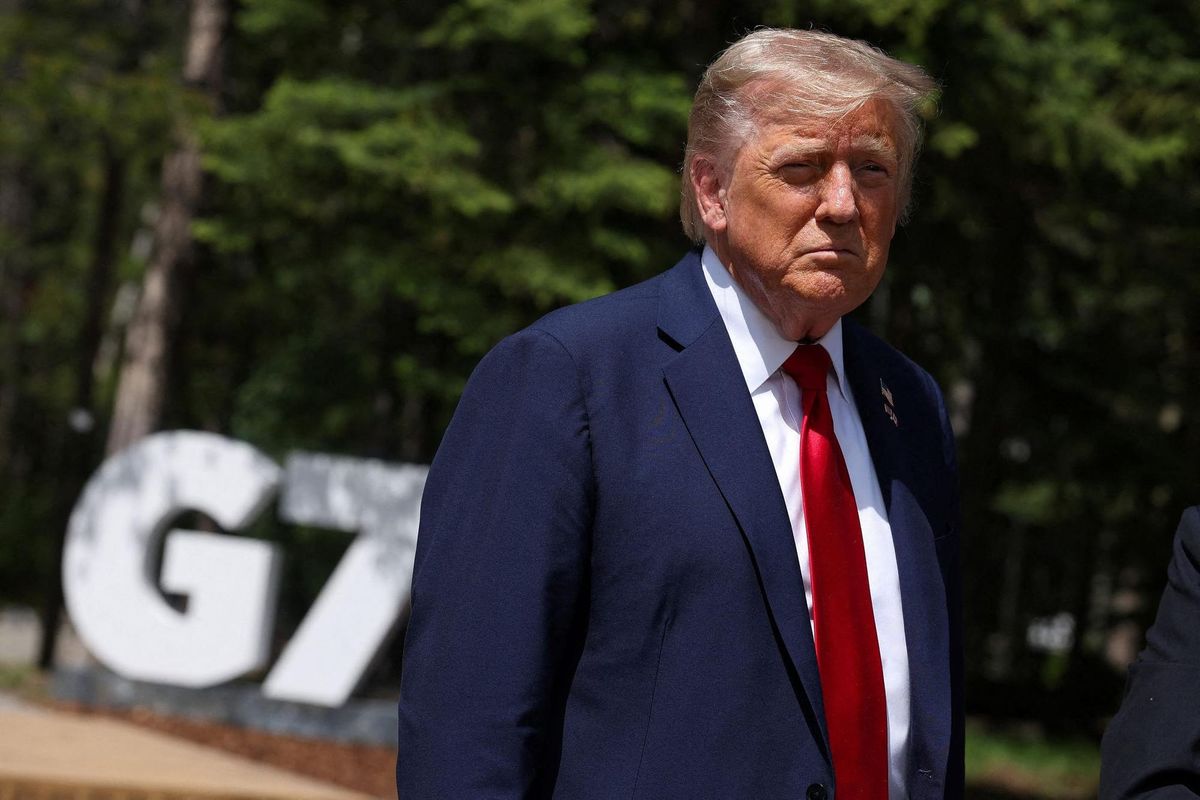
U.S. President Donald Trump has defended his decision to sign a preliminary peace agreement with Iran, saying the deal was necessary to prevent a wider economic and geopolitical crisis. The agreement, signed after months of conflict and negotiations, is designed to halt hostilities and create a framework for further talks over Iran’s nuclear program, sanctions, and regional security issues.
Speaking during the G7 summit in France, Trump said he was concerned that continued fighting could trigger a severe global economic shock. According to the president, escalating tensions around the Strait of Hormuz threatened international energy supplies and risked pushing the world economy into turmoil. He argued that diplomacy had become the most practical option after military objectives had largely been achieved.
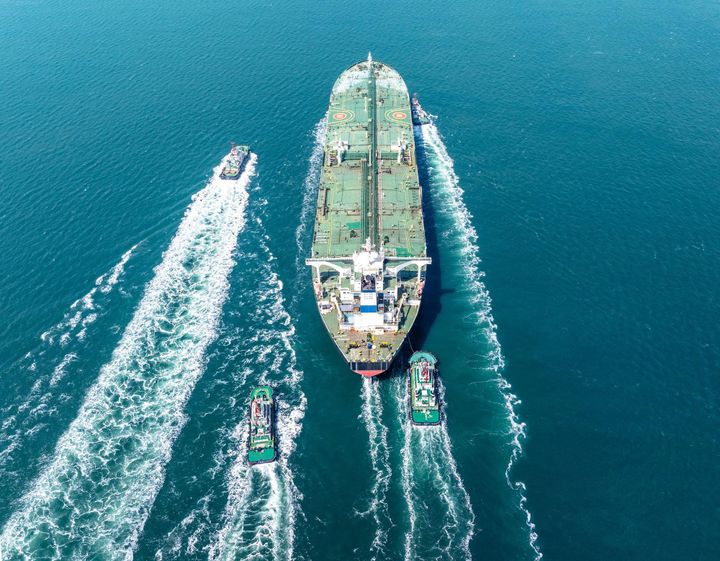
One of Trump’s key arguments was that prolonged conflict could have disrupted oil shipments through the Strait of Hormuz, a critical route for global energy exports. The president stated that keeping the waterway functioning was essential for stabilizing markets and avoiding what he described as a potential economic catastrophe. Oil prices had surged during the conflict, raising fears of higher inflation and slower economic growth worldwide.
Trump also highlighted market reactions as evidence that the agreement was having a positive effect. He noted that investors responded favorably to signs of de-escalation, with financial markets showing gains when prospects for peace improved. According to the administration, avoiding a prolonged war was important not only for national security but also for protecting businesses and consumers from rising energy costs.
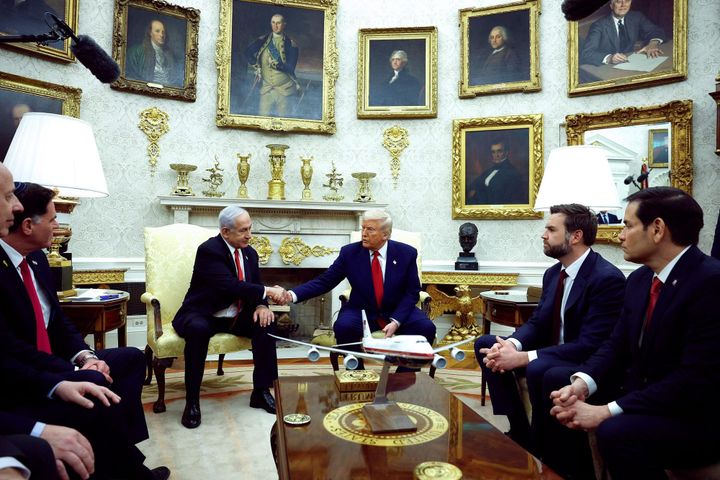
The memorandum signed between Washington and Tehran is intended as a temporary framework rather than a final treaty. The document launches a 60-day negotiation period during which both sides are expected to discuss issues such as nuclear restrictions, sanctions relief, maritime security, and regional stability. Trump has argued that the arrangement creates an opportunity to pursue diplomacy while maintaining leverage if Iran fails to meet its commitments.
Critics, however, have questioned whether the agreement gives too much away in exchange for limited guarantees. Some analysts argue that the memorandum lacks the detailed inspection mechanisms and verification measures that were central to earlier nuclear agreements. Others have pointed to proposed sanctions relief and economic incentives as significant concessions.
Despite the criticism, Trump has continued to defend the deal as a pragmatic decision. He said the alternative could have been a longer conflict, greater instability in the Middle East, and serious consequences for the global economy. At the same time, he warned that military action could resume if Iran violates the terms of the agreement or fails to cooperate during negotiations.
The agreement has received mixed reactions internationally. Several G7 leaders welcomed the opportunity for diplomacy and reduced tensions, while some political figures in the United States and Israel expressed concern that the deal may not sufficiently address Iran’s nuclear and missile programs. Nevertheless, the accord marks one of the most significant developments in U.S.-Iran relations in years and is expected to shape Middle East diplomacy throughout the remainder of 2026.