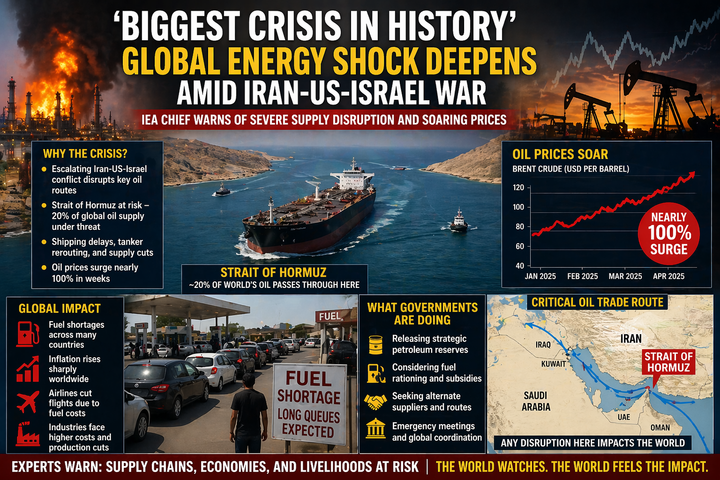
US Forces Board Iran-Linked Oil Tanker in Indian Ocean
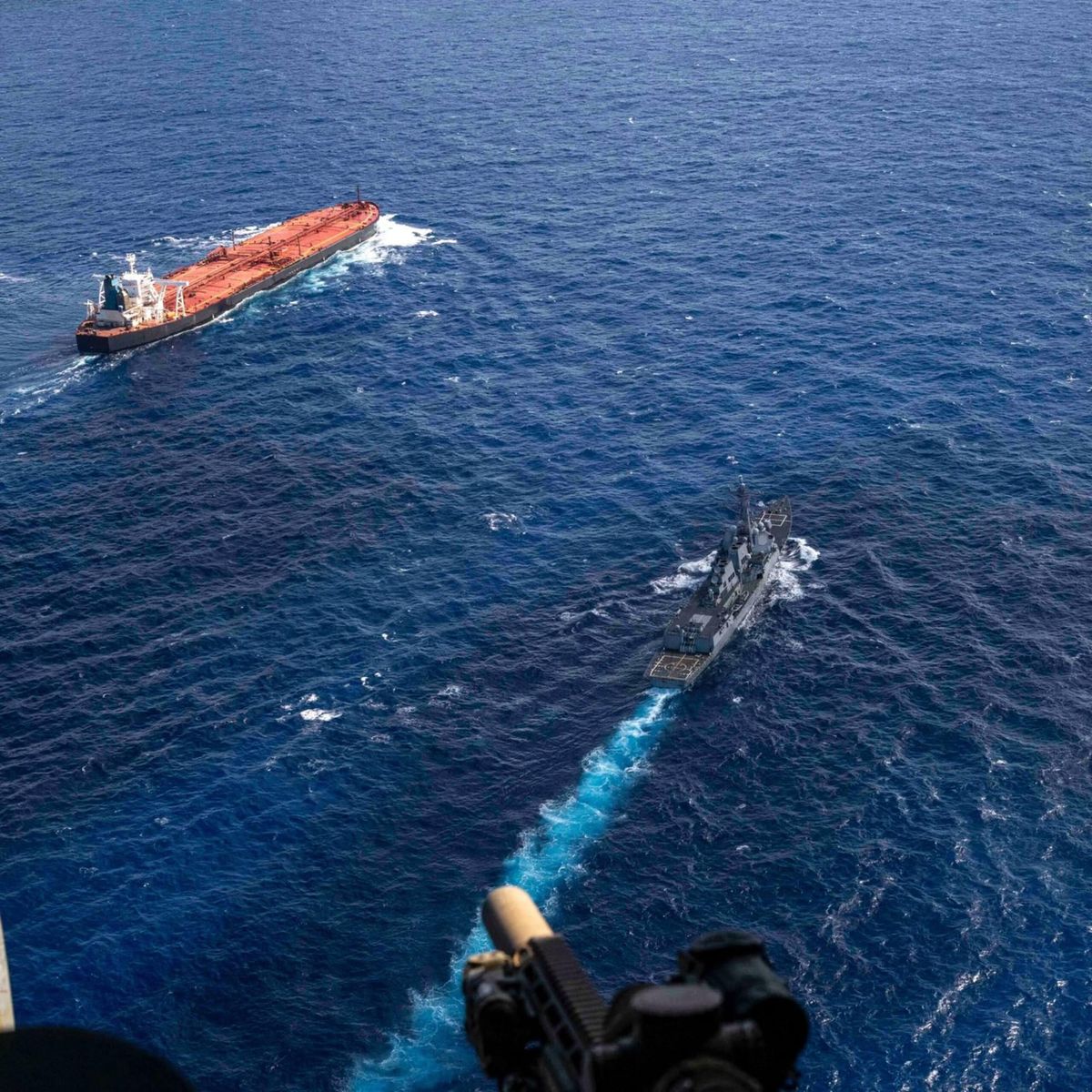
In a significant escalation of maritime operations amid rising geopolitical tensions, the United States has confirmed that its forces boarded an Iran-linked oil tanker in the Indian Ocean. The operation, disclosed by the Pentagon, took place in international waters between Sri Lanka and Indonesia, signaling a widening scope of enforcement actions tied to ongoing global tensions.
According to US defense officials, the tanker—identified in reports as the M/T Tifani—had been under surveillance for suspected involvement in transporting sanctioned Iranian crude oil. The vessel is believed to be part of a broader network often referred to as Iran’s “shadow fleet,” which is used to bypass international sanctions through covert shipping practices.
Operation Details and Execution
Pentagon officials stated that US naval forces carried out the boarding operation without resistance. Highly trained personnel approached the vessel using helicopters and small boats, securing the tanker and taking control for inspection. The crew onboard was reportedly cooperative, and no injuries were reported during the mission.
The United States justified the action by classifying the tanker as effectively “stateless,” a legal designation often applied to ships attempting to conceal their origin or ownership to evade sanctions. Under international maritime law, such vessels can be subject to boarding and inspection even in international waters.
Strategic and Geopolitical Implications
This incident marks a notable expansion of US maritime enforcement operations beyond the traditional conflict zones of the Persian Gulf and the Strait of Hormuz. By conducting the operation deep in the Indian Ocean, the US is signaling its intent to monitor and disrupt sanctioned oil flows on a global scale, not just in the Middle East.
Experts believe this move is part of a broader strategy to tighten economic pressure on Iran, particularly as tensions continue to rise involving the US and Israel. Oil exports remain a crucial source of revenue for Iran, and targeting these shipments could have significant economic implications.
Impact on Global Energy and Shipping
The boarding comes at a time when global energy markets are already under strain due to geopolitical instability. Actions like these could further disrupt oil supply chains, increase shipping risks, and drive up insurance costs for vessels operating in sensitive regions.
Shipping companies may now be forced to reroute vessels or implement additional compliance measures, potentially leading to delays and higher transportation costs. Analysts warn that repeated incidents of this nature could contribute to greater volatility in oil prices and exacerbate the ongoing global energy crisis.
Concerns Over Escalation
The move has raised concerns about potential retaliation and further escalation at sea. Maritime security experts caution that increased military presence and enforcement actions in international waters could heighten the risk of confrontation between naval forces.
There are also broader concerns regarding freedom of navigation, a principle that underpins global trade. While the US maintains that its actions are legally justified under sanctions enforcement, critics argue that such operations could set precedents that complicate international maritime norms.
What Lies Ahead
Investigations into the tanker’s cargo, ownership, and operational network are ongoing. US authorities are expected to determine whether the vessel will be seized, redirected, or released following inspection.
Meanwhile, global stakeholders—including governments, shipping companies, and energy markets—are closely monitoring developments. The incident underscores how geopolitical conflicts are increasingly spilling into critical global trade routes, affecting not just regional stability but the broader international economic landscape.