(Untitled)

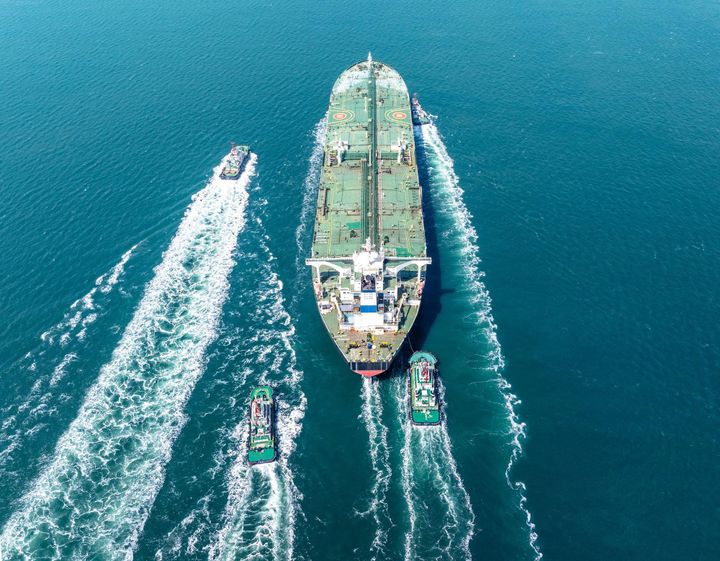
In a significant development amid ongoing geopolitical tensions, Iran has announced that the strategically crucial Strait of Hormuz is now open for all commercial vessels. The move comes during a temporary ceasefire phase in the Middle East, signaling a short-term easing of tensions that had disrupted global oil supply chains.
Iran’s Foreign Minister Abbas Araghchi confirmed that maritime transit through the strait is “completely open,” though vessels are required to follow designated routes coordinated by Iranian authorities. This reopening is tied to the duration of the ceasefire, indicating that the situation remains fragile and subject to change.
The Strait of Hormuz is one of the world’s most critical shipping chokepoints, handling a substantial portion of global oil trade. Any disruption in this narrow passage between the Persian Gulf and the Gulf of Oman has immediate ripple effects on global energy markets and economic stability. Recent hostilities had led to restricted movement, raising fears of prolonged supply disruptions.
Trump Reacts: “Fully Open and Ready for Full Passage”
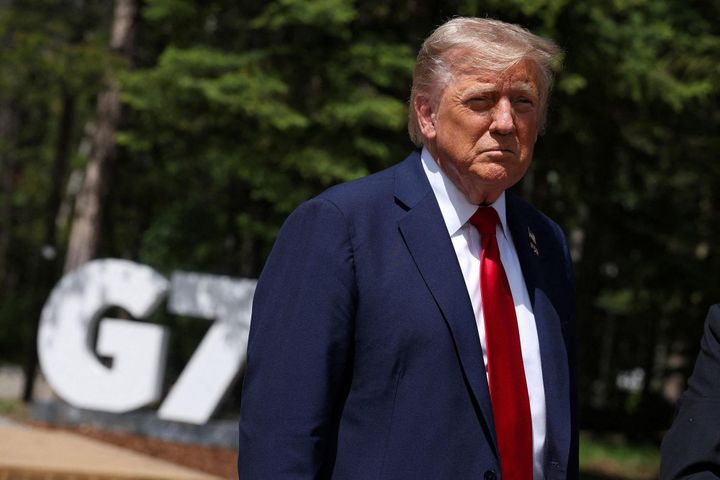
U.S. President Donald Trump responded swiftly to Iran’s announcement, calling the development a positive step. In a post on his social media platform, Trump stated that the strait is now “fully open and ready for full passage” and even expressed gratitude toward Iran.
However, he also clarified that the U.S. naval blockade on Iranian ports will remain in place until a broader agreement is finalized. This highlights that while maritime movement has resumed, underlying tensions between the two nations are far from resolved.
Trump also expressed optimism about a potential deal with Iran, suggesting that negotiations to end the broader conflict could progress in the coming weeks.
Global Impact: Oil Prices Drop Sharply
The announcement had an immediate effect on global markets. Oil prices dropped by more than 10%, reflecting renewed confidence in the stability of supply routes. Analysts view the reopening as a critical step toward stabilizing energy markets, which had been under pressure due to uncertainty in the region.
Despite the positive signals, experts caution that shipping companies may remain cautious in fully resuming operations until long-term security assurances are in place. The presence of military forces and ongoing negotiations means the situation could shift rapidly.
Temporary Relief, Not a Resolution
While the reopening of the Strait of Hormuz marks a major de-escalation, it is widely seen as a temporary measure linked to the ceasefire rather than a permanent resolution. The continuation of sanctions, military deployments, and unresolved disputes—particularly around Iran’s nuclear program—suggest that tensions could resurface.
For now, the development offers relief to global trade and energy markets, but the path toward lasting peace remains uncertain. The coming days, especially ongoing diplomatic talks, will be crucial in determining whether this opening leads to a sustained breakthrough or merely a brief pause in a prolonged conflict.