China Calls for Stability in Global Trade Routes

China has called for urgent global cooperation to ensure stability and security in key international trade routes, amid rising geopolitical tensions that threaten to disrupt the flow of goods and energy supplies worldwide. The statement comes at a time when conflicts and strategic rivalries, particularly in the Middle East, are increasing concerns over the safety of critical maritime corridors.
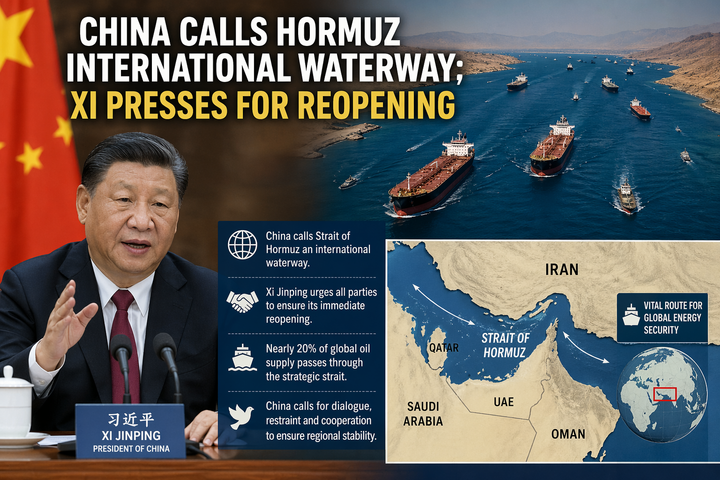
Chinese President Xi Jinping emphasized that international waterways, including vital passages like the Strait of Hormuz, must remain open and accessible to all nations. He stressed that these routes are not just regional assets but lifelines for the global economy, supporting trade, energy transportation, and economic growth across continents.
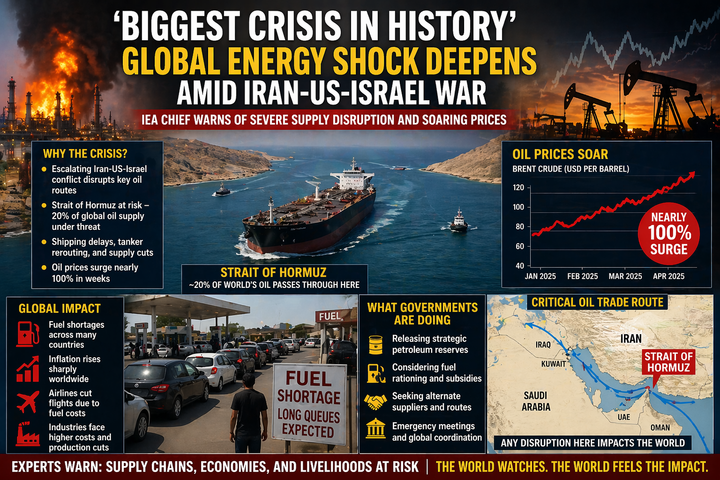
The Strait of Hormuz, in particular, holds immense strategic importance, as a significant portion of the world’s oil supply passes through this narrow channel connecting the Persian Gulf to the Arabian Sea. Any disruption in this region could have immediate consequences, including rising fuel prices, supply chain bottlenecks, and increased economic uncertainty.
China, being one of the world’s largest importers of crude oil, has a strong vested interest in maintaining uninterrupted access to such routes. Officials in Beijing have reiterated that stability in global trade corridors is essential not only for China but for the broader international community. The country has called on all involved parties to exercise restraint and avoid actions that could escalate tensions further.
In recent weeks, increased military activity and enforcement actions in international waters have raised alarms among global shipping companies and insurers. Reports of vessel interceptions and heightened naval presence have contributed to a sense of uncertainty, prompting some shipping firms to reconsider routes or increase security measures.
China’s stance reflects a broader diplomatic approach focused on multilateral cooperation and conflict de-escalation. By advocating for open sea lanes and peaceful dialogue, Beijing aims to position itself as a stabilizing force in global affairs, particularly in matters affecting trade and economic security.
Global analysts note that China’s call for stability is also tied to its long-term economic strategy. As a manufacturing and export powerhouse, the country relies heavily on efficient and predictable supply chains. Disruptions in maritime trade routes could impact not only energy imports but also the export of goods, affecting global markets and production cycles.
In response to the evolving situation, several countries are exploring alternative trade routes and investing in infrastructure projects that reduce dependency on high-risk regions. However, experts agree that no immediate substitute exists for key chokepoints like the Strait of Hormuz, making diplomatic solutions all the more critical.
International organizations and trade bodies have echoed China’s concerns, urging nations to prioritize dialogue and cooperation. The consensus among global leaders is clear: safeguarding trade routes is essential for maintaining economic stability and preventing further escalation of geopolitical conflicts.
As tensions continue to simmer, China’s appeal serves as a reminder of the interconnected nature of the modern world. In an era where economies are deeply intertwined, the stability of a single waterway can influence global markets, energy security, and the livelihoods of millions.