
Xi Jinping Signals Tech Ambitions and Hard Line on Taiwan in Powerful New Year Speech
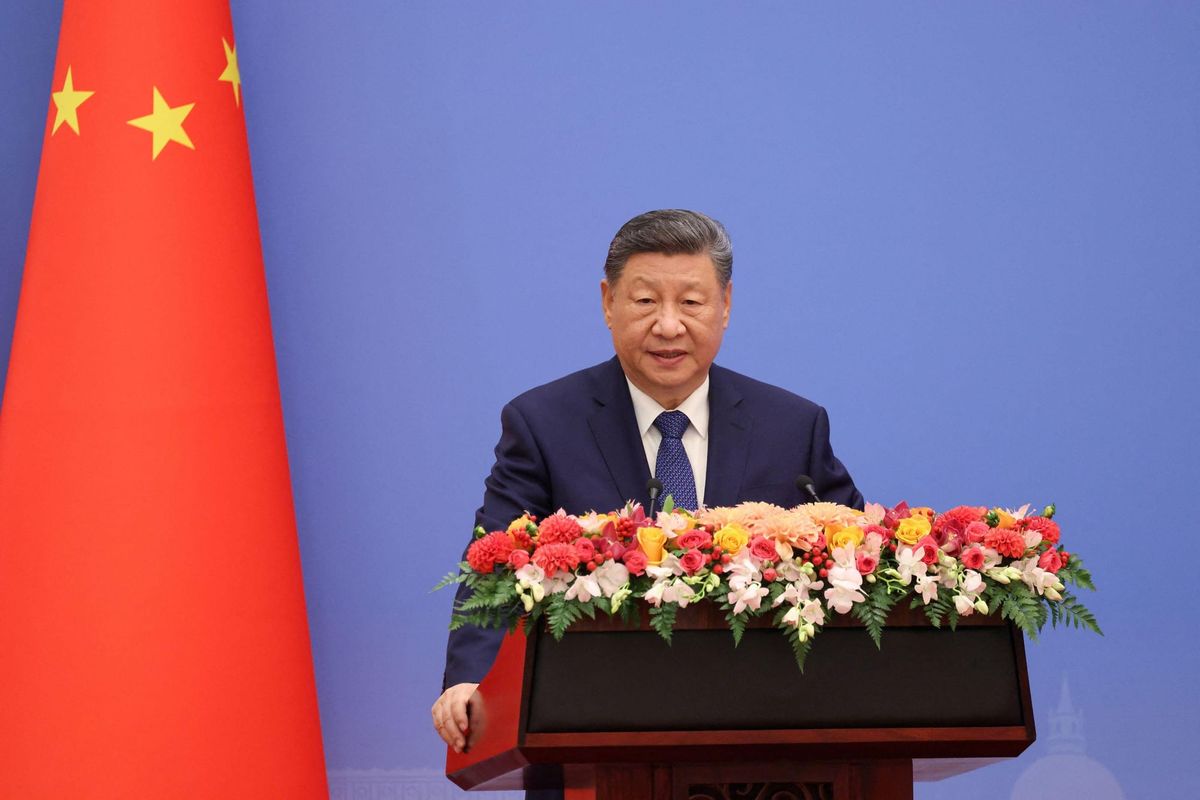
Xi Jinping Hails China’s Technological Rise and Reaffirms Taiwan Reunification Goal
Chinese President Xi Jinping used his New Year’s Eve address to highlight China’s rapid technological progress while once again asserting Beijing’s determination to bring Taiwan under its control. The nationally broadcast speech combined optimism about China’s innovation-driven future with a firm warning on sovereignty issues, setting the tone for the year ahead.
Delivered on Wednesday evening and aired by state media, Xi’s speech showcased China’s achievements in artificial intelligence, semiconductors, military technology, and space exploration. At the same time, he made clear that Taiwan remains a central priority for the Chinese leadership.
A Showcase of China’s Technological Progress
Innovation at the Center of Economic Growth
Xi emphasized that innovation is now the driving force behind China’s development. He praised scientists, engineers, and workers for contributing to what he described as high-quality economic growth over the past five years.
“We sought to energize high-quality development through innovation,” Xi said, framing technology as the backbone of China’s long-term strategy.
As he spoke, visuals of humanoid robots performing kung fu, advanced manufacturing facilities, and large-scale infrastructure projects appeared on screen. The imagery reinforced China’s message that it is no longer just a manufacturing powerhouse but a leader in cutting-edge technology.
Advances in AI, Semiconductors, and Space
Xi highlighted progress in artificial intelligence and semiconductor development, two areas where China has faced growing pressure from international restrictions. He also pointed to achievements in space exploration and military modernization as evidence of the country’s expanding capabilities.
These sectors are seen as critical to China’s future competitiveness, especially as access to foreign technology becomes more limited.
Pushing for Self-Reliance in Science and Technology
Responding to U.S. Restrictions
A key theme of Xi’s speech was self-reliance. As the United States tightens controls on the export of advanced semiconductors and high-tech equipment, China is accelerating efforts to develop its own alternatives.
Xi made it clear that reducing dependence on foreign technology is no longer optional but essential. The government plans to increase investment in research, domestic chip production, and advanced manufacturing to protect China’s economic and national security interests.
Five-Year Plan Sets the Roadmap
China’s economic strategy is guided by five-year plans, and Xi confirmed that preparations are underway for the next one. The new plan is expected to be discussed at the annual legislative session in March.
Technology, innovation, and industrial upgrading are widely expected to be central pillars of the upcoming plan, reflecting China’s determination to remain competitive despite external challenges.
China’s Growing Role on the Global Stage
Diplomatic Confidence on Display
Xi also used the speech to emphasize China’s rising global influence. He listed major diplomatic events, summits, and international exchanges hosted by the country over the past year.
According to Xi, these engagements demonstrate China’s increasing prominence and its role in shaping global affairs. The message was clear: China sees itself as a major power with a growing voice in international politics.
Balancing Cooperation and Competition
While Xi highlighted cooperation, the speech also reflected ongoing tensions with Western nations. Trade disputes, technology restrictions, and geopolitical rivalries continue to shape China’s relationships with the United States and its allies.
Despite these challenges, Xi projected confidence, portraying China as resilient and capable of navigating an increasingly complex global environment.
Taiwan Takes Center Stage in Xi’s Speech
Reaffirming Beijing’s Claim Over Taiwan
One of the most closely watched parts of Xi’s address was his remarks on Taiwan. Taiwan is a self-governed democracy, but Beijing considers it part of its sovereign territory.
Xi reiterated China’s long-standing position that reunification is inevitable. “We Chinese on both sides of the Taiwan Strait share a bond of blood and kinship,” he said. “The reunification of our motherland, a trend of the times, is unstoppable.”
The language echoed previous statements but carried added weight amid rising military activity and regional tensions.
Military Pressure Around the Island
Xi’s remarks came just days after China conducted two days of military drills around Taiwan. The exercises included rocket launches, aircraft sorties, and naval operations, signaling Beijing’s readiness to apply pressure.
The drills were widely seen as a response to a planned U.S. arms sale to Taiwan, which China strongly opposes. Beijing has repeatedly warned Washington against supporting the island’s defense.
Taiwan Responds With Defiance
President Lai Ching-te Pushes Back
Taiwan’s President Lai Ching-te responded to China’s stance in his own New Year’s address. He pledged to resist what he described as China’s expansionist ambitions and emphasized the importance of strengthening Taiwan’s self-defense capabilities.
Lai’s comments highlighted the growing divide between the two sides, with Taiwan determined to protect its democratic system and political autonomy.
A Widening Gap Across the Strait
Public opinion in Taiwan has increasingly favored maintaining distance from Beijing. While China emphasizes shared heritage and reunification, many in Taiwan see their identity and political future as separate.
This disconnect continues to fuel tensions and makes any peaceful resolution more complicated.
Rising Regional and Global Concerns
Stability in the Indo-Pacific
China’s renewed pledge to take back Taiwan has raised concerns across the Indo-Pacific region. Neighboring countries and global powers closely watch developments, worried that miscalculation could lead to conflict.
The Taiwan Strait is a critical shipping route, and instability there would have global economic consequences.
U.S. Role Remains Central
The United States remains Taiwan’s most important security partner, even without formal diplomatic ties. Arms sales and political support from Washington continue to anger Beijing and contribute to rising tensions.
Xi’s speech made it clear that China sees U.S. involvement as a major obstacle to reunification.
Technology and National Power Go Hand in Hand
Linking Innovation to Sovereignty
Xi’s focus on technology and Taiwan in the same speech was no coincidence. Beijing increasingly views technological strength as essential to national power, military readiness, and geopolitical influence.
From AI-driven defense systems to semiconductor independence, China believes technological dominance will shape future conflicts and negotiations.
A Long-Term Strategy
Rather than signaling immediate action, Xi’s words reflected a long-term strategy. China appears focused on strengthening its economy, technology base, and military capabilities while applying steady pressure on Taiwan.
This approach allows Beijing to advance its goals without triggering a direct confrontation.
What Xi’s Speech Signals for the Year Ahead
More Investment in Technology
China is expected to double down on investments in AI, chips, clean energy, and advanced manufacturing. These sectors will likely receive strong policy support and funding under the next five-year plan.
Continued Pressure on Taiwan
Diplomatically and militarily, pressure on Taiwan is unlikely to ease. While Beijing continues to emphasize peaceful reunification, its actions suggest it is prepared to escalate if necessary.
Heightened Global Tensions
Xi’s speech underscores a world moving toward greater competition between major powers. As China pushes for technological independence and asserts its territorial claims, friction with the United States and its allies is likely to continue.
Final Thoughts
Xi Jinping’s New Year’s Eve address delivered a clear message: China sees itself as a rising technological power and remains unwavering in its goal to take back Taiwan. By highlighting innovation, self-reliance, and sovereignty in the same speech, Xi outlined a vision of national strength rooted in technology and unity.
As 2026 approaches, China’s ambitions in science, global influence, and regional dominance are becoming more defined. For the rest of the world, especially Taiwan and its allies, the speech serves as a reminder that the Taiwan issue remains one of the most sensitive and potentially dangerous flashpoints in global politics.