
Why Fighting Has Flared Again on the Thai-Cambodian Border Despite Trump’s Ceasefire
Fighting Erupts Again on the Thai-Cambodian Border
The quiet along the Thai-Cambodian border has once again been shattered by artillery, rockets, and air strikes. Villages in a corridor stretching hundreds of kilometers have been evacuated for the second time in five months. Families, along with their pets, are now living in temporary shelters, unsure when they will return home—or if they will need to flee again.
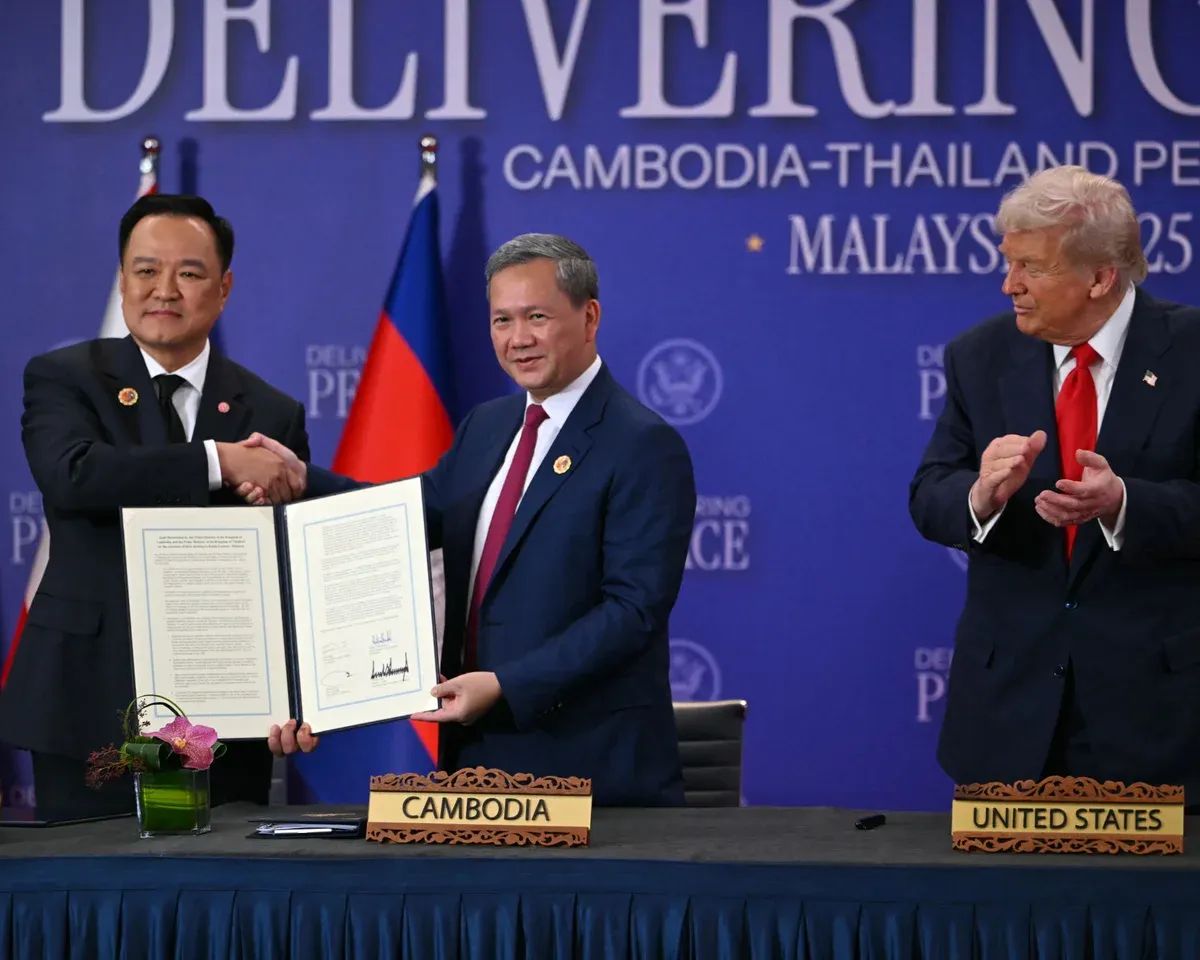
The renewed violence comes just months after a ceasefire brokered by US President Donald Trump in July, raising the question: why are the two countries back at war so soon?
How It All Started
The latest flare-up began with a seemingly minor incident. On Sunday, a Thai engineering team was working on an access road in the disputed border area when, according to the Thai army, Cambodian troops fired on them. Two Thai soldiers were injured, though neither was seriously hurt.
While incidents like this might once have been solved through diplomacy, trust between the two neighbors is now at an all-time low. Even Trump’s ceasefire deal has proven fragile.
Why the Trump Ceasefire Failed
The July ceasefire was always tenuous. Thailand agreed reluctantly, under pressure from the US, which threatened tariffs on its exports. Cambodia, the smaller country, welcomed the intervention, seeing it as a way to balance the power disparity with Thailand.
Since the ceasefire:
- Cambodian troops continued confrontations with Thai forces.
- New land-mines were laid, causing serious injuries to Thai soldiers.
- Thailand has refused to release 18 of its soldiers captured in July.
The Thai public is angered by Cambodia’s actions, seeing them as bad faith.
Thailand’s Hard-Line Approach
Thailand’s current government, led by Prime Minister Anutin Charvirakul, is a minority coalition facing multiple challenges. It has granted the military full authority over the border conflict.
The Thai army says its goal is to:
- Inflict enough damage on Cambodian forces to prevent future threats to border communities.
- Secure key hill-top positions to gain tactical advantage in future confrontations.
The disputed areas, though largely unpopulated, are strategically significant, and Thailand views defending them as a sacred duty.
Cambodia’s Position
The motivations of Cambodia’s leadership are less clear. Former Prime Minister Hun Sen continues to influence his son, current PM Hun Manet. Publicly, Cambodia calls for restraint and portrays itself as being bullied by Thailand, seeking international support.
Behind the scenes, Cambodia has taken decisive actions this year, including leaking a private phone conversation of the former Thai PM Paetongtarn Shinawatra. This leak contributed to political turmoil in Thailand and fueled anti-Cambodian sentiment.
The Human Cost
The renewed clashes have displaced hundreds of thousands of people on both sides of the border. Villages have been emptied, families live in temporary shelters, and local economies face disruption.
Land-mines remain a particularly dangerous issue. At least seven Thai soldiers have lost limbs due to new mines laid by Cambodian troops.
Can Trump Step In Again?
President Trump may try to mediate another ceasefire, but experts warn that any deal will likely be temporary unless both countries take real steps to reduce tension.
Thailand has repeatedly said it is not ready for diplomacy until Cambodia demonstrates sincerity. At minimum, this would require:
- A verified end to land-mine deployment along the border
- Concrete steps to prevent further military escalation
Until then, the cycle of ceasefire and renewed conflict is expected to continue.
The Bigger Picture
This border conflict highlights the fragility of peace deals and the role of international pressure in temporary resolutions. While Trump’s July ceasefire provided a brief pause, deep-rooted mistrust and territorial disputes continue to drive tensions.
As villagers flee again and armies prepare for renewed battles, it’s clear that lasting peace on the Thai-Cambodian border remains elusive.