
Waymo Robotaxis Face Safety Probe After Near-Misses With School Buses in Austin
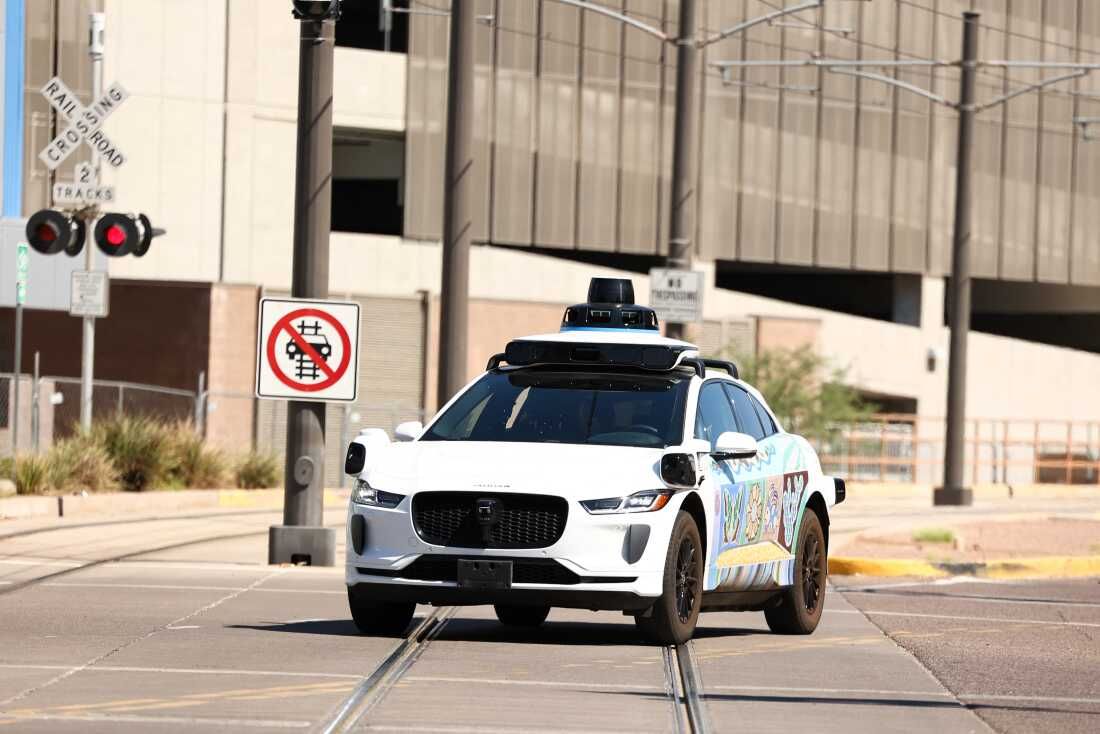
Waymo’s Self-Driving Cars Investigated for School Bus Safety
U.S. transportation investigators are looking into a series of incidents involving Waymo, Alphabet Inc.’s self-driving car unit, after its vehicles were reported behaving improperly near parked school buses in Austin, Texas.
The National Transportation Safety Board (NTSB) announced it will study “the interaction between Waymo vehicles and school buses stopped for loading and unloading students.”
What Happened in Austin
According to the Austin Independent School District, Waymo vehicles failed to fully slow down or stop for school buses around two dozen times earlier this month.
While none of the incidents resulted in accidents, the situation has drawn federal attention. The U.S. National Highway Traffic Safety Administration (NHTSA), the country’s primary auto safety regulator, had already launched its own investigation last fall.
Waymo’s chief safety officer, Mauricio Peña, said the company believes its safety performance around school buses is superior to human drivers. “We see this as an opportunity to provide the NTSB with transparent insights into our safety-first approach,” Peña said.
Steps Taken by Waymo
In response to the incidents, Waymo announced several measures:
- Voluntary Software Recall: In December, the company said it would recall certain software to correct the vehicles’ behavior around school buses.
- Software Updates: Waymo implemented updates by November 17, which the company claims have “meaningfully improved” performance near school buses.
- Data Collaboration: Waymo met with the Austin school district to review light patterns and various conditions affecting interactions with school buses.
These steps highlight Waymo’s effort to proactively address safety concerns, even as federal investigators continue to review the incidents.
NTSB’s Role in the Investigation
The NTSB does not have enforcement authority but provides safety recommendations that companies and transportation agencies typically adopt. Their probe will focus on how Waymo vehicles detect and respond to stopped school buses, an issue that could have implications for all self-driving vehicles in similar situations.
Waymo’s Recent Challenges
The school bus incidents are part of a string of recent challenges for Waymo as it looks to expand its robotaxi services across the U.S.
- San Francisco Traffic Freeze: In December, Waymo vehicles froze and blocked traffic during a major power outage because they were confused by the absence of traffic signals.
- Software Limitations: These events have highlighted the ongoing need to improve autonomous vehicle software in complex urban environments, particularly around pedestrians and public transport.
What This Means for Self-Driving Cars
The investigation underscores the challenges facing autonomous vehicles as they navigate real-world conditions:
- Safety First: Companies like Waymo must balance rapid expansion with rigorous safety testing.
- Public Confidence: Near-miss incidents can impact public trust in self-driving technology, especially around vulnerable populations such as schoolchildren.
- Regulatory Scrutiny: Federal attention on autonomous vehicles is likely to grow as the technology becomes more common on U.S. roads.
Waymo’s experience demonstrates that while self-driving cars offer innovation and convenience, navigating unexpected situations like stopped school buses remains a critical test for autonomous technology.
Looking Ahead
Waymo has committed to continued software improvements and close coordination with local authorities to ensure safer interactions with school buses. As autonomous vehicles become more prevalent, regulators and companies will likely focus on developing strict standards for interactions with pedestrians, children, and public transportation vehicles.
For now, the Austin incidents serve as a reminder that even the most advanced AI in self-driving cars must be carefully monitored and continuously improved.