War Will Drain the Gulf’s 6 Trillion Dollar Treasure Chest
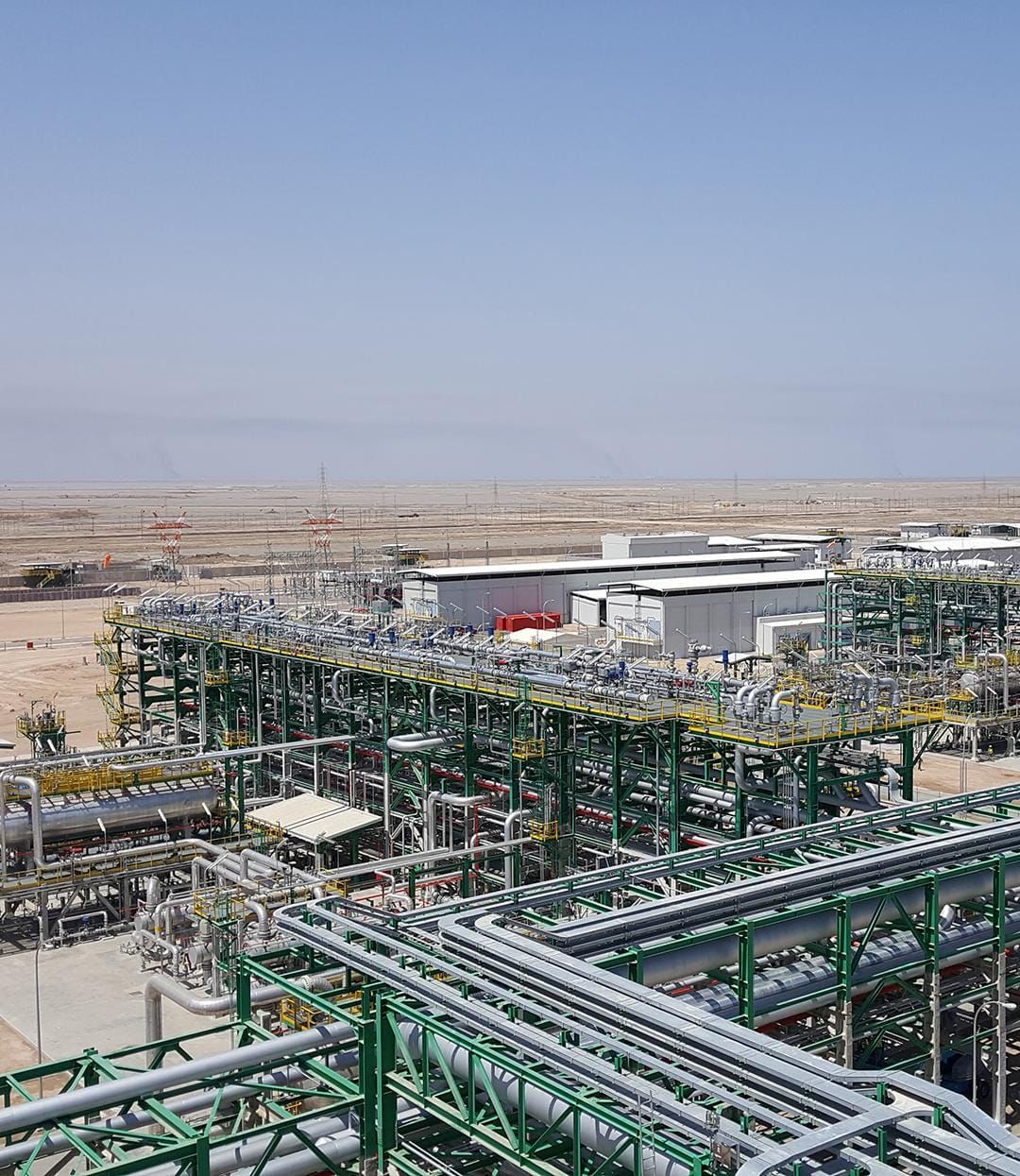
The Gulf region is home to some of the worlds sovereign wealth funds and energy reserves. This region is facing a lot of risks because of the increasing geopolitical tensions. The countries in this region like Saudi Arabia, the United Arab Emirates and Qatar have a lot of money around 6 trillion dollars from their oil wealth and investments. They have used this money to secure their long term prosperity.
Oil Revenues Under Pressure
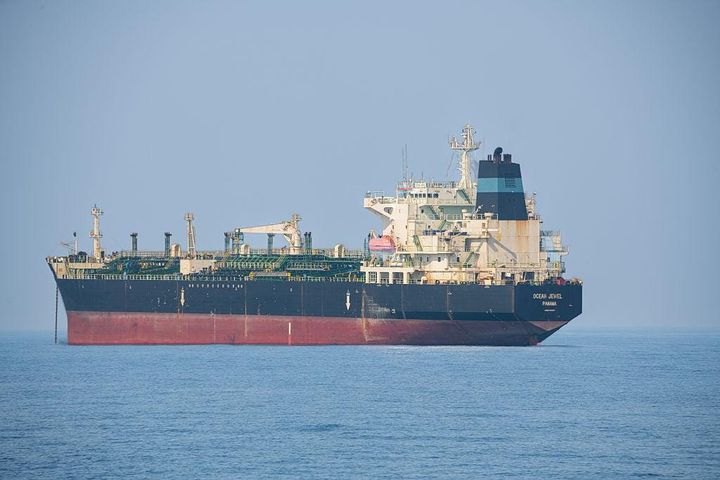
The Gulf region is very strong in the energy markets. If there is any disruption in oil production or transportation it can have consequences. The Strait of Hormuz is an important route for oil transportation. If there is a conflict in this region it can disrupt the oil supply, which can increase the global oil prices. This can be bad for the countries that export oil.
If the oil prices go up it can give the Gulf countries money in the short term.. If the conflict continues for a long time it can reduce the demand for oil create logistical problems and increase the costs of production. The insurance costs for oil tankers can also go up during a conflict. The infrastructure can also be attacked, which can strain the oil sector.
Sovereign Wealth Funds at Risk
The Gulf countries have built sovereign wealth funds to diversify their economies. These funds are invested in markets, including stocks, real estate and technology. The value of these funds is around 6 trillion dollars.
When there is a war the global markets can become very volatile. This can reduce the value of the assets in the wealth funds. The governments may also need to use some of this money to finance their operations stabilize their economies and support their citizens. This can weaken the term financial stability of the Gulf countries.
Fiscal Strain and Public Spending
A conflict can lead to an increase in government spending especially on defense and security. The Gulf countries are known for their public welfare systems.. They may find it difficult to maintain these systems if they have to spend more money on the military.
The governments may have to reduce their subsidies increase taxes or delay their projects. This can affect the growth and the mood of the people. The budget deficits can also increase, which can be a problem for the Gulf countries.
Impact on Diversification Efforts
The Gulf countries have been trying to diversify their economies beyond oil. They have invested in tourism, technology and renewable energy. Cities like Dubai and Riyadh have become business hubs.
If there is a prolonged conflict in the region it can deter foreign investment and tourism. This can be bad for the diversification efforts of the Gulf countries. The investors do not like to invest in regions that are perceived as risk. The conflict can also. Reverse the progress made in reducing the dependence on oil revenues.
Global Economic Ripple Effects
The consequences of a conflict in the Gulf region can be felt all over the world. The Gulf region is an important part of the global energy supply. Any disruption in the energy supply can lead to pressures worldwide. The countries that depend on the Gulf oil may have to pay more for energy, which can affect their industries and consumers.
The financial markets can also be affected by the instability in the Middle East. This can lead to fluctuations in the stock markets, currencies and commodity prices. The global impact of a conflict can be very big.
The Gulf region has a lot of money in its reserves. This money has been seen as a safeguard against uncertainty.. A prolonged conflict can be a big threat to this stability. The risks are many. Can be felt in many areas, including oil revenues, investments, fiscal pressures and diversification efforts. If the tensions continue to increase the Gulf region may find that even its 6 trillion dollar treasure chest is not enough to protect it from the effects of a war. The Gulf region, including countries, like Saudi Arabia, the United Arab Emirates and Qatar may have to face a lot of challenges. The Gulf regions financial reserves, which are around 6 trillion dollars may not be enough to secure the long term prosperity of the Gulf region.