US Running Out of Wartime as Iran Engineers a Global Energy Crisis
The ongoing fight between the United States, Israel and Iran is quickly turning into a problem for the worlds energy supply. Analysts say that Iran is using its ability to disrupt energy as a way to put pressure on countries. As things get more tense the war is starting to affect how much oil costs how goods are shipped and the stability of the economy.
Experts think that Irans plan is not to win a fight but to keep the conflict going and disrupt the worlds energy supply. This will cause problems for countries that are against it.
Irans plan is to wear out its enemies
Iran seems to be trying to win an slow war using its endurance instead of trying to win quickly. Analysts say that Iranian forces have attacked energy infrastructure in the Gulf region like oil terminals, pipelines and shipping routes.
The goal is to make people uncertain about the worlds energy supply and make oil prices go up. Irans Islamic Revolutionary Guard Corps is thought to be helping with missile and drone attacks on energy areas in the Middle East.
By threatening energy infrastructure and shipping lanes Iran hopes to make Western countries feel pressure. Higher fuel prices, inflation and unstable markets could make people in those countries less supportive of the war.
The Strait of Hormuz: A Critical Energy Route
One of the important and sensitive areas in the crisis is the Strait of Hormuz. This is a shipping route that connects the Persian Gulf to the rest of the world. 20% Of the worlds oil passes through here making it a crucial energy route.
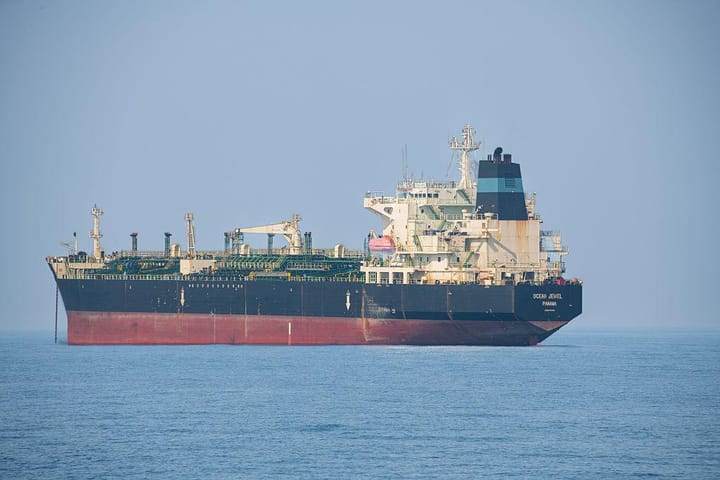
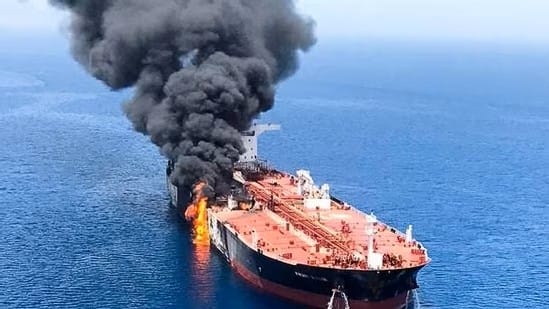
During the conflict fewer tankers have been going through the strait because of missile threats and security concerns. Several tankers have been. Many vessels have had to wait outside the strait.
This disruption has caused panic in the worlds energy markets. Raised fears of long-term supply shortages.
Oil Prices Go Up. Global Markets React
The war has already made crude oil prices go up sharply. At the peak of the crisis Brent crude was $120 per barrel the highest it has been in years.
Higher oil prices have effects worldwide:
- People have to pay more for fuel
- Inflation is going up in economies
- Transportation and manufacturing costs are higher
- Global stock markets are under pressure
Countries that import a lot of energy like India, Japan and many European nations are especially vulnerable because they rely heavily on oil from the Middle East.
Economic Problems Around the World
Economists warn that the energy shock could cause a global economic slowdown. As oil prices rise governments may have to pay more for fuel subsidies while businesses struggle with costs.
Some countries have already taken emergency measures like fuel price caps, energy conservation programs and strategic oil reserve releases to stabilize their economies.
The crisis has been compared to oil shocks like the 1979 oil crisis, when problems with Irans oil production caused global inflation and economic instability.
Pressure on the United States
For the United States the situation is tricky. The U.S. Is now an energy producer and exporter but American consumers are still affected by global oil prices.
There is growing pressure as gasoline prices rise and markets become unstable. U.S. Policymakers have to balance their goals with the risk of causing a long-term economic shock.
Uncertain Future
with significant military losses Iran still has a lot of missiles and seems capable of continuing attacks for weeks. Analysts think the conflict could ultimately be a test of endurance. Whether Iran can outlast pressure or whether the United States and its allies can keep up the war effort.
As global energy markets remain unstable the conflict is no longer a regional war. It has become a struggle with big consequences, for the world economy.