
Trump Stuns Global Tech Market by Allowing Nvidia to Sell Advanced AI Chips to China
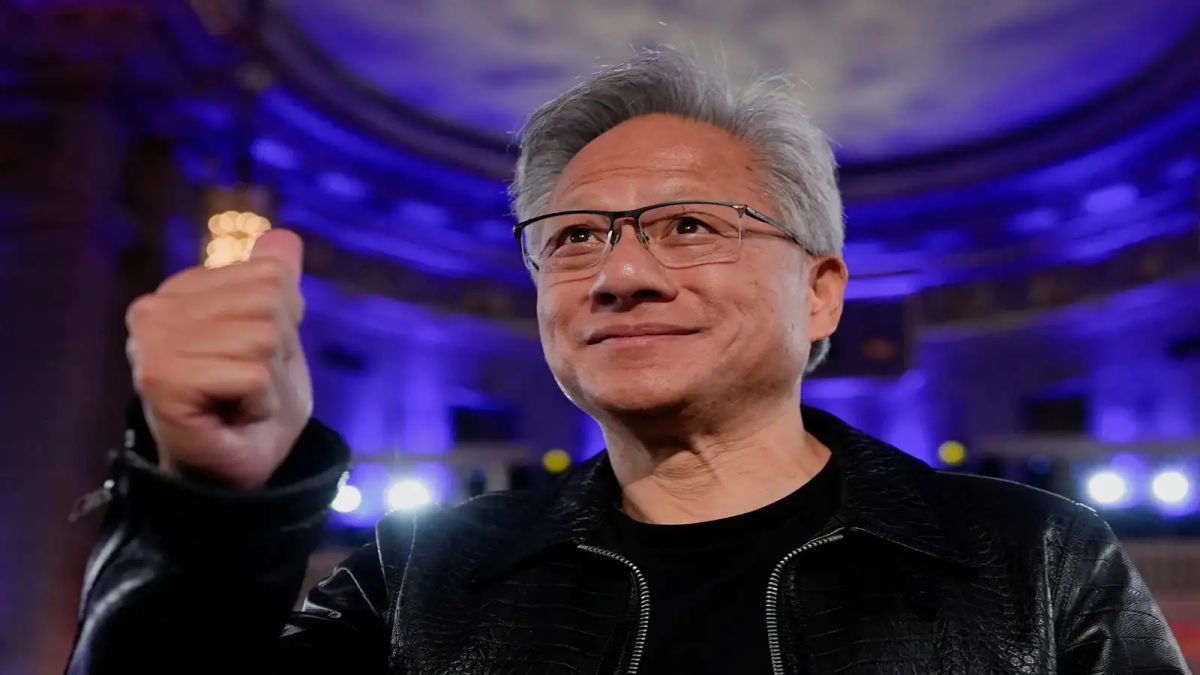
Trump Approves Nvidia’s Advanced AI Chip Sales to China
In a move that stunned both the tech and political worlds, President Donald Trump has given Nvidia permission to sell its advanced H200 AI chips to what the administration calls approved customers in China. The decision marks a major shift in US policy and lands right at the center of the ongoing US–China technology rivalry.
Trump announced the move on social media, saying the new policy would protect national security, create American jobs, and keep the United States ahead in artificial intelligence. Despite those assurances, critics and national security officials are already questioning whether this decision could strengthen China’s rapidly advancing AI capabilities.
Nvidia, now the world’s most valuable company and the global leader in AI chips, praised the announcement. For the firm, the green light ends months of uncertainty and opens the door to a huge market they had been pushed out of under earlier restrictions.
But with China racing to build its own chip ecosystem and tensions between the two nations already high, this new chapter could reshape the future of the global tech industry.
Why Nvidia Needed This Win So Badly
Nvidia has been caught in the middle of the US–China battle for technological dominance. Previous US rules banned the company from selling its most advanced chips to China, citing national security concerns. That put enormous pressure on Nvidia, which relies on China for a significant share of its revenue.
The company has spent months lobbying Washington. Nvidia CEO Jensen Huang even flew to the capital last week to push lawmakers and officials to reconsider the restrictions. His argument has been consistent: AI is a global technology, and restricting US companies too aggressively could push China to develop alternatives even faster.
When Trump reversed the chip ban in July, he attached conditions. Nvidia would be required to pay 15 percent of its Chinese revenue to the US government. China responded by telling its tech firms to stop buying Nvidia’s China-only chips, escalating the standoff.
The latest decision marks a compromise of sorts, allowing Nvidia to sell the H200, which is powerful but not the newest generation. Nvidia’s top chip, the Blackwell line, remains restricted.
From Nvidia’s perspective, the ruling allows it to stay in the Chinese market while still following US oversight. The company called the approach balanced and good for American jobs.
Investors seemed to agree. Nvidia’s stock rose slightly after the announcement.
What Makes Nvidia’s H200 Chip So Important?
The H200 is one generation behind Nvidia’s cutting-edge Blackwell chips, but it is still one of the world’s most advanced AI processors. It is used for training and deploying large AI models—the kind powering everything from advanced chatbots to autonomous systems.
Allowing China access to these chips offers a major boost to Chinese tech companies working to develop or scale their own AI systems. While China has built domestic alternatives, Nvidia remains the gold standard in the field.
However, because the H200 is not Nvidia’s most powerful product, US officials argue the decision limits the risk while allowing American businesses to stay competitive globally.
Why the Trump Administration Made This Move
Behind the scenes, this decision is part of a much bigger game. The US and China depend heavily on each other for materials, manufacturing, and technology. Most importantly, China holds a near monopoly on processing rare earth minerals. These minerals are essential for producing electronics, including advanced chips.
By allowing limited chip sales, the US buys time. It preserves business relationships, avoids sudden supply chain disruptions, and opens space for negotiations with China over rare earths.
Experts also believe this move could calm tensions long enough for the US to strengthen its own semiconductor manufacturing and reduce reliance on materials coming from China.
China’s Strategy: Reduce Dependence on the US
While the approval is a win for Nvidia, it does not mean China will pause its push for self-sufficiency. Beijing has made semiconductor independence a national priority. China has ordered local companies to stop buying certain Nvidia chips in the past and continues to pour billions into developing domestic alternatives.
Beijing wants to build a tech ecosystem that can survive even if all US exports are cut off. And while access to Nvidia’s H200 chips will boost Chinese capabilities, it does not change China’s long-term goal of reducing dependency on foreign hardware.
Experts warn that China is closer to reaching top-tier AI chip performance than many people think.
The National Security Debate: A Major Controversy Ahead
Not everyone is pleased with Trump’s decision. National security advisors and members of Congress have long argued that AI chips are not ordinary technology. They are dual-use tools with both civilian and military applications.
Researchers at Georgetown University recently reported that China’s military has used advanced US-designed chips to power AI-driven defense systems. Critics say allowing more chips into China only accelerates that progress.
Analysts warn that any high-quality AI chip can potentially strengthen China’s military, especially in areas like surveillance, autonomous weapons, and battlefield decision systems.
The Trump administration insists that the new rules require Commerce Department approval for every buyer and that the US will maintain strong oversight. Still, critics believe Congress may move to restrict the new policy or at least demand more transparency.
Is This a Strategic Move or a Major Risk?
The big question now is whether this decision gives the US leverage—or exposes it.
Supporters say the move keeps American companies competitive, protects jobs, and maintains American influence in global markets. They argue that if the US refuses to sell to China, other countries or Chinese companies will step in, leaving the US behind.
Critics argue that selling AI chips to China is dangerous, even with restrictions. They believe the technology could help China narrow the gap with US capabilities in both civilian and military AI.
Some see this as a temporary solution. Others see it as a dangerous gamble.
What Happens Next?
This is only the beginning of the next phase in the tech rivalry between the US and China.
Several things are likely in the coming months:
China will continue building domestic chips at a rapid pace
The US will face pressure to strengthen semiconductor manufacturing at home
Congress may try to limit or reshape Trump’s policy
Nvidia will push to maintain access to China while navigating political pressure
Rare earth negotiations between the US and China may intensify
Artificial intelligence will remain at the center of geopolitical strategy
Whether this decision becomes a turning point or a temporary detour depends on how both nations respond.
For now, Nvidia has regained access to its biggest international market, and China has regained access to one of the world’s most advanced AI chips. But the power struggle over global AI leadership is far from over.