
Trump Rolls Out $12 Billion Lifeline for Struggling Farmers as Trade Wars Hit Hard
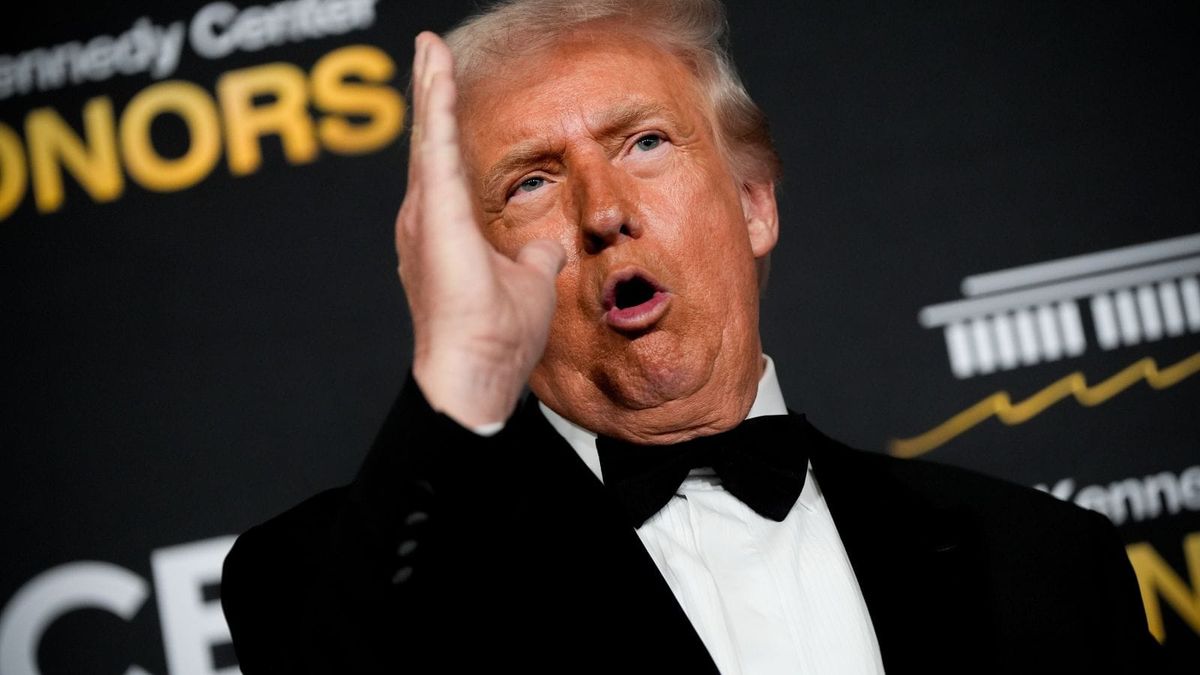
Trump Announces Massive $12 Billion Farm Aid Package
President Donald Trump has unveiled a new $12 billion aid package designed to support American farmers who have been hit by falling crop prices, rising production costs, and the ongoing fallout from global trade disputes. The administration says the plan is meant to help farmers recover from what it calls years of unfair trade practices and economic pressure that have pushed the agriculture sector to a breaking point.
The announcement was made at the White House with farmers, lawmakers, and senior officials in attendance. Many in the agricultural community have long supported Trump, but frustrations have grown as trade battles with China and other countries have disrupted major export markets. For farmers already struggling with tight margins, shifting trade policies have made a difficult situation worse.
The new aid package aims to give them some breathing room.
Where the Money Is Going
The $12 billion package is split into two parts.
The largest portion, around $11 billion, will go directly to farmers through one-time payments under the Farmer Bridge Assistance program. These payments will target producers of major row crops such as corn, soybeans, sorghum, cotton, wheat, and rice. Livestock farmers will also receive support.
Another $1 billion is being set aside to help farmers of specialty crops that fall outside the standard federal commodity programs. According to Agriculture Secretary Brooke Rollins, this fund will help the government better understand the needs of specialty growers and address gaps in support.
Rollins emphasized that the administration wants to ensure the money goes toward strengthening production and preparing farmers for next year’s planting season.
Trade Wars Hit Farmers Hard
While farm groups have often backed Trump politically, many have been caught in the middle of global trade disputes during his presidency. China, the world’s largest buyer of US soybeans and a major market for American grain and livestock feed, sharply reduced its purchases after new tariffs were imposed early in the year.
For months, China effectively shut off US soybean imports, forcing farmers to scramble for new buyers in a market already overloaded with supply. Prices dropped. Storage facilities filled up. Export-dependent farmers were left with huge financial losses.
The White House says the new aid package is meant to offset some of this damage and help farmers stay afloat during uncertain times. But many farmers say the real solution would be a stable market and predictable trade relationships, not repeated emergency payouts.
Farmers React: Helpful, But Not a Fix
Farmers across the Midwest are greeting the announcement with a mix of relief and frustration. The aid is welcome, but few see it as a long-term solution.
In Indiana, farmer Mark Legan says the money will help cover some immediate expenses, especially after months of low crop prices and steep production costs. He hopes to use the funds to replace aging equipment he can no longer afford to maintain. Still, he says the core problems remain, including soaring prices for seeds and chemicals.
Another farmer, Brad Smith of Illinois, heard about the package while attending a state farming convention. He acknowledges that most farmers would prefer not to rely on government aid, but many do not have the luxury of turning it down. He expects that, if he receives funds, they will be spent within days on overdue bills and supplies for next year’s crop.
Smith also raised a concern shared by many farmers across the country: ensuring that aid goes to those who truly need it, rather than flowing disproportionately to the largest farming operations.
The White House Says Farmers Need a Bridge to Better Markets
The administration says the payments are intended to help farmers market this year’s harvest and prepare for the next. Officials argue that the aid acts as a temporary bridge until new trade agreements and policy changes create stronger, more competitive markets for American crops.
Treasury Secretary Scott Bessent said China used American farmers as bargaining chips during negotiations, cutting off soybean purchases to gain leverage. He insists that the new aid package will keep farmers stable until the trade environment improves.
The Trump administration recently announced that China had committed to buying significant quantities of US soybeans in the coming years. However, so far, China has purchased only a fraction of the promised amount. Officials say recent purchases have increased and could reach the goals soon, but for many farmers, the uncertainty has already caused financial damage.
Rising Production Costs Add More Pressure
Many farmers say rising costs have been just as painful as falling crop prices. Prices for seeds, fertilizers, and crop protection chemicals have reached record levels. Machinery repairs are more expensive. Fuel prices have climbed.
Even if markets normalize, some farmers say they will still struggle to survive unless input costs come down. The new aid payments will help, but do not solve the core financial strain.
Mark Legan summed up the situation simply: the aid helps stabilize the bottom line, but it does not repair the larger economic challenges farmers face.
Trump Threatens New Tariffs on Mexico
The farm aid announcement came on the same day Trump threatened to impose a new 5 percent tariff on Mexico, accusing the country of violating an 80-year-old water treaty. The treaty grants the US water from tributaries of the Rio Grande, and American officials have long claimed Mexico is not meeting its obligations.
Trump said the lack of water access is hurting US farmers who depend on irrigation to maintain their crops. His social media post called the situation unfair and said American farmers deserve the water they were promised.
The threat of new tariffs adds another layer of uncertainty for farmers who have already weathered years of trade conflict.
Lessons From Trump’s First Term in Office
This is not the first time Trump has offered large aid packages to farmers. During his first term, he approved billions of dollars in assistance to offset the effects of earlier trade disputes, including $22 billion in 2019 and another $46 billion in 2020.
But farmers say that while the aid kept many operations afloat, it did not restore the lost export markets. China remains a crucial buyer of American crops, and regaining consistent access to that market is a priority for growers.
Even with new commitments from China, many farmers remain cautious. Past promises have fallen short, and trade tensions can flare up quickly.
The Future of American Agriculture
Agriculture Secretary Rollins and Treasury Secretary Bessent emphasized that farming is about long-term planning. Fields, equipment, and operations are built years ahead. To them, the $12 billion package is not just short-term relief but a way to give farmers the confidence to prepare for next season.
Trump also signed an executive order establishing food supply chain security task forces, signaling wider federal involvement in agriculture policy. The order calls for increased scrutiny of anti-competitive behavior within the agricultural sector, which many farmers blame for rising costs and shrinking profit margins.
Despite the aid and new executive actions, farmers still face an uncertain future shaped by global markets, shifting trade relationships, and the rising cost of production.
Whether the new package is enough to stabilize the industry depends on what happens next in the broader economy and in international negotiations.