
🇺🇸 Trump on Birthright Citizenship: Slams ‘Dumb’ Judges, Targets Policy Debate
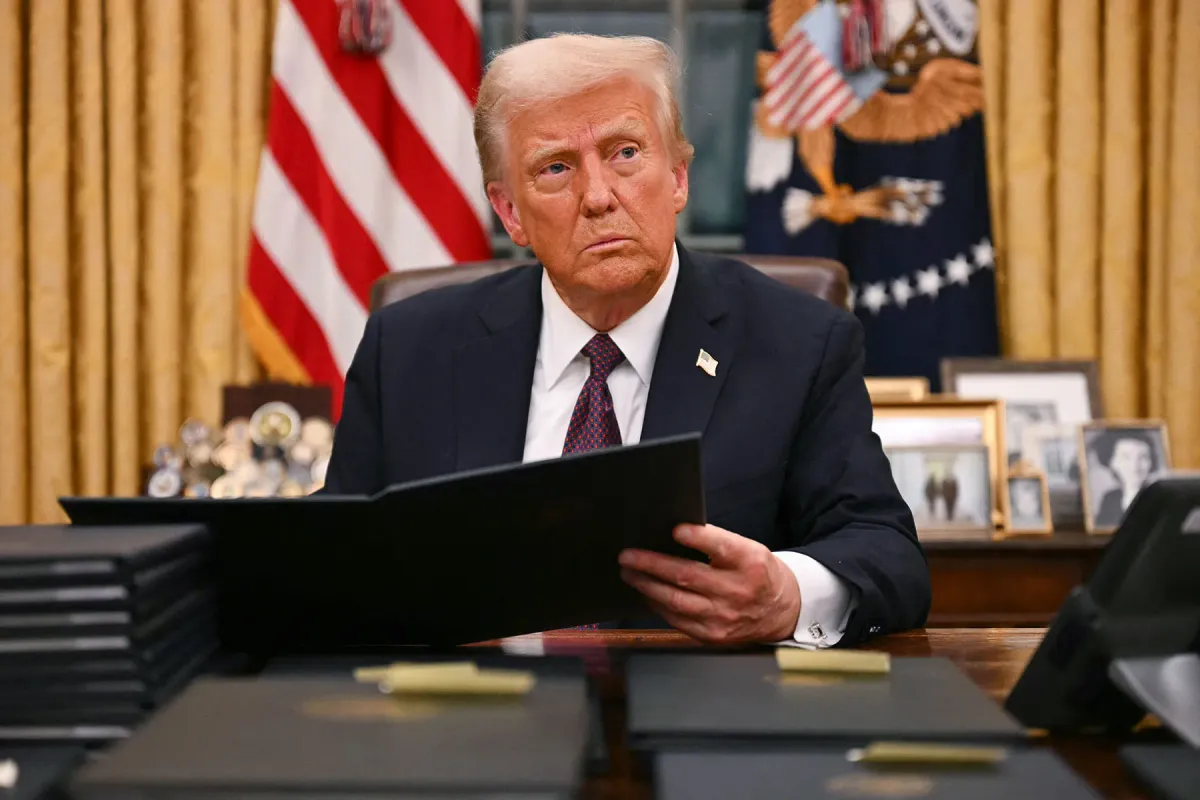
Former U.S. President Donald Trump has started an argument about citizenship for people born in the United States. He made some controversial comments, criticizing judges and calling for stricter immigration laws. His remarks, made during a speech have brought attention to one of the most divisive issues in American politics.
Trump sharply criticized what he described as " judges" for allegedly misinterpreting the Constitution. He specifically mentioned the 14th Amendment, which grants citizenship to individuals born on U.S. Soil. Trump argued that the provision was never intended to benefit foreigners or individuals exploiting the system. He referred to foreign nationals saying that birthright citizenship is "not for rich people from China " a remark that has sparked widespread debate and criticism.
- The concept of citizenship in the United States comes from the Citizenship Clause of the 14th Amendment adopted in 1868.
- It ensures that all individuals born within U.S. Territory automatically acquire citizenship regardless of their parents’ nationality or immigration status.
Trump has long advocated for ending or limiting citizenship. He argues that it encourages called "birth tourism" and misuse of immigration systems. During his presidency he had explored actions to reinterpret the amendment. However such moves faced legal challenges and opposition from constitutional experts.
His latest remarks appear to be part of a political strategy. Immigration is again becoming a central issue in U.S. Public discourse. Trump’s statements are likely aimed at energizing his support base. Many of his supporters favor immigration controls and policy reforms.
Critics, including members of the Democratic Party and civil rights groups have strongly condemned his comments. They argue that birthright citizenship is a constitutional guarantee and a reflection of American values of equality and inclusion. Legal experts also point out that altering or ending citizenship would require a constitutional amendment or a landmark ruling by the Supreme Court of the United States.
On the hand supporters of Trump’s stance believe that the current system is outdated and vulnerable to misuse. They argue that reforms are necessary to align immigration policies with realities.
The issue has also drawn attention especially from countries whose citizens are frequently associated with birth tourism practices. Trump’s specific reference to China has added a dimension to the debate.
As the debate intensifies it underscores the ideological divide in the United States over immigration constitutional interpretation and national identity. While Trump’s comments have reignited discourse any substantive policy change will depend on legislative action, judicial interpretation and broader political consensus.
In conclusion Trump’s latest statement has again placed birthright citizenship at the center of American political debate. With opinions on both sides Donald Trump and birthright citizenship will likely be key topics, in upcoming political campaigns and policy discussions.