
Trump-Era Pentagon Plan Tells Allies to Take Care of Their Own Security
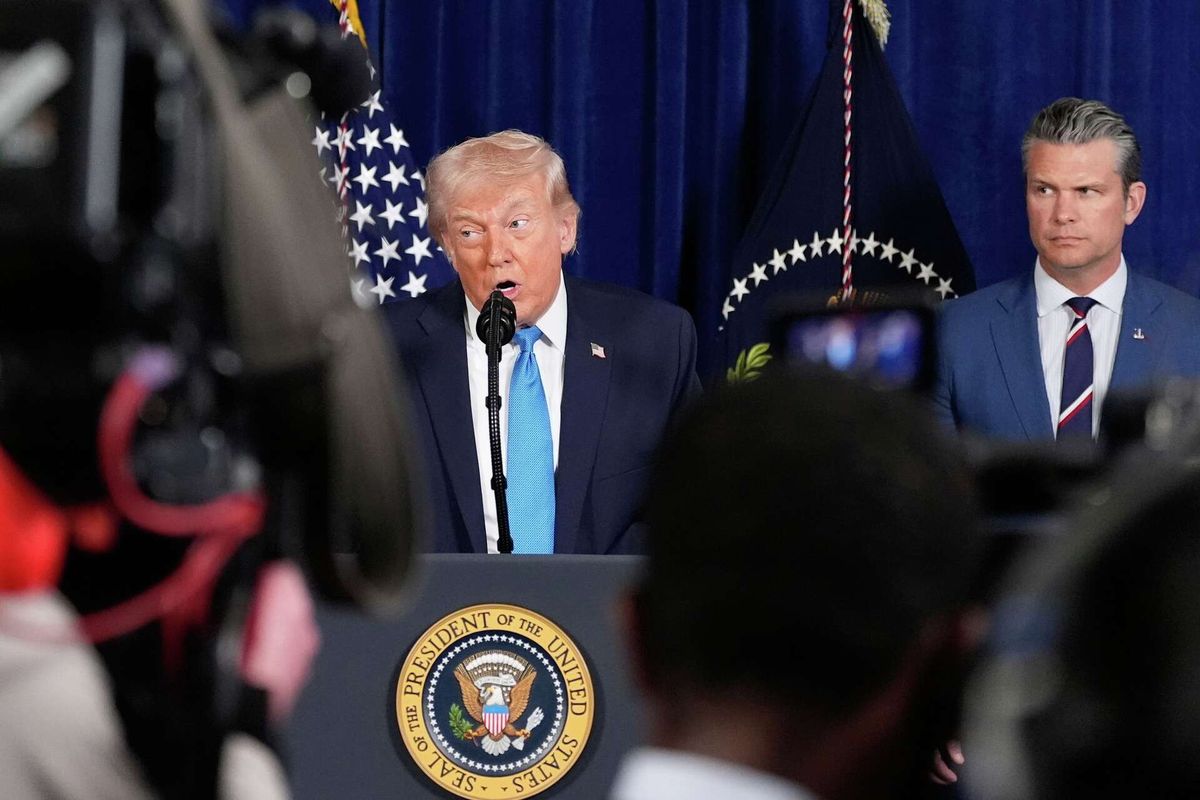
Pentagon Unveils Bold New Defense Strategy
The Pentagon released a new National Defense Strategy on Friday that marks a major shift in U.S. military priorities. The 34-page report emphasizes American interests first, urges allies to take more responsibility for their own defense, and refocuses attention on the Western Hemisphere rather than on China.
The strategy, the first since 2022, has been described as highly political for a military blueprint. It criticizes U.S. partners from Europe to Asia for relying too heavily on previous American administrations to shoulder defense costs.
“America First” at the Core
Opening with a blunt assessment, the strategy states:
"For too long, the U.S. Government neglected — even rejected — putting Americans and their concrete interests first."
This aligns with President Donald Trump’s “America First” philosophy, prioritizing U.S. security, commercial interests, and influence over decades-long international obligations.
Western Hemisphere Takes Center Stage
The new strategy clearly prioritizes security in the Americas:
- Greenland and Panama Canal: The Pentagon plans to secure key strategic locations, including Greenland and the Panama Canal. Trump recently said a “framework of a future deal” could give the U.S. total access to Greenland.
- Regional Cooperation with a Warning: While the strategy calls for cooperation with neighbors like Canada, it also warns that the U.S. will act decisively if partners fail to defend shared interests.
“We will engage in good faith with our neighbors… but we will ensure that they respect and do their part to defend our shared interests,” the report says.
Trump has also hinted at reclaiming the Panama Canal, expressing concern over Chinese influence in the region, though he stopped short of committing to action.
China and the Indo-Pacific
Unlike the Biden administration’s 2022 strategy, which labeled China as the primary challenge, the new Pentagon blueprint sees China as a settled regional power. The U.S. goal is deterrence, not domination:
- The document states: “This does not require regime change or some other existential struggle.”
- It calls for stable peace, fair trade, and respectful relations with China, including broader military-to-military communication.
- Notably, the report does not mention Taiwan, a key departure from the 2022 strategy which promised U.S. support for the island’s self-defense.
Relying on Allies for Regional Security
The Pentagon strategy shifts responsibility to U.S. allies in several regions:
- Asia: South Korea is expected to take the lead in deterring North Korea, with the U.S. providing limited support.
- Europe: NATO allies are described as capable of handling conventional defense in Eastern Europe, allowing the U.S. to recalibrate forces and focus on priorities closer to home.
- Russia: While Russia remains a “persistent but manageable threat,” the U.S. strategy emphasizes that NATO members should carry the primary defense burden.
Strong Language Toward Allies
The strategy includes pointed criticism of nations that have depended too much on U.S. military support. It calls for a “sharp shift — in approach, focus, and tone” and urges partners to invest in their own defense capabilities.
This comes after weeks of tense diplomacy, including Trump’s controversial remarks about acquiring Greenland and threats of tariffs on some European nations.
Key Takeaways
- Prioritization Shift: U.S. focus moves from countering China to securing the Western Hemisphere.
- Allies Must Step Up: Europe, South Korea, and other partners are expected to take more responsibility for their own defense.
- Strategic Locations Highlighted: Greenland and the Panama Canal are flagged as critical areas for U.S. military and commercial access.
- China Policy Adjusted: Deterrence, not confrontation, guides U.S. strategy in the Indo-Pacific.
- Reduced Troop Commitments: U.S. forces may be scaled back in regions like Europe while maintaining NATO commitments.
The report reflects a Trump-era approach to defense, blending political messaging with strategic military planning. Allies are expected to take note, while the U.S. asserts a more unilateral stance in defending its interests at home and in its backyard.