
Trump Briefed on Iran: Military Strikes, Cyber Attacks, and Sanctions on the Table
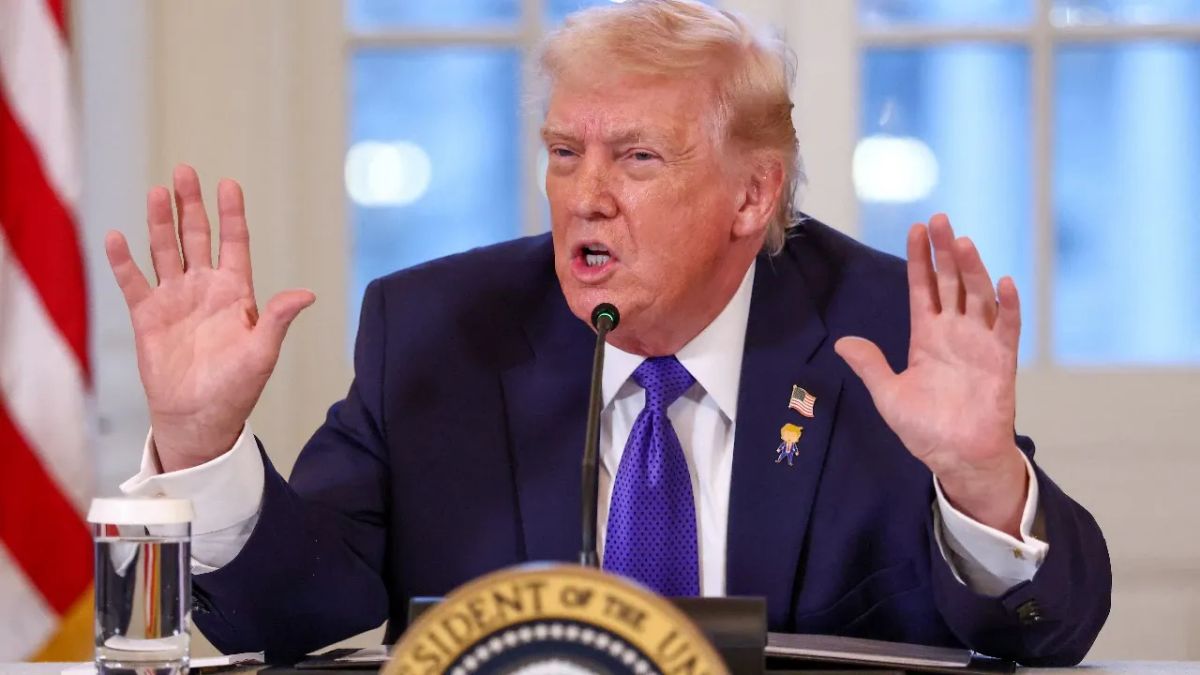
Trump Reviews Military and Covert Options on Iran
President Donald Trump has been briefed on a broad range of military and covert options to respond to escalating unrest in Iran, according to Pentagon sources. Officials say the options under discussion include long-range missile strikes, cyber operations, and psychological campaigns targeting the Iranian leadership.
The briefings come amid growing anti-government protests in Iran, which have claimed the lives of more than 600 people over the past three weeks.
New US Tariffs on Countries Doing Business With Iran
On Monday, Trump announced a 25% tariff on goods from countries that maintain commercial ties with Iran. While the administration has not detailed all the implications, experts say this move is likely to put additional economic pressure on Tehran, which is already grappling with a collapsing currency and inflation pushing food prices up by as much as 70%.
Iran’s largest trading partner is China, followed by Iraq, the United Arab Emirates, Turkey, and India. Analysts warn that the tariffs could worsen shortages and costs in Iran, further straining the economy amid ongoing civil unrest.
US Security Officials Consider a Wide Range of Responses
Sources say Trump’s national security team is weighing multiple strategies. Military planners are focused on options that would primarily involve air power but also aim to disrupt Iranian command and communications structures. Cyber operations and psychological campaigns are also being reviewed.
The White House has urged US citizens in Iran to leave immediately or have a plan to depart safely without depending on government assistance.
Iran’s Response and Internal Crackdown
Iran’s Supreme Leader, Ayatollah Ali Khamenei, has condemned the US, accusing it of relying on “treacherous mercenaries,” while praising pro-government rallies organized across the country. State media reported large gatherings following calls for these demonstrations, often reinforced by text messages encouraging attendance and warning against joining anti-government protests.
The protests have erupted due to frustration over economic mismanagement, a collapsing currency, and political repression. Rights groups say the death toll among protesters could be higher than reported, as internet blackouts continue to limit independent reporting.
Calls for US Intervention
Reza Pahlavi, the son of Iran’s last shah and an exiled political figure, has urged Trump to intervene sooner to limit the loss of life among protesters. Pahlavi emphasized that the Iranian government may be attempting to mislead the international community about its willingness to negotiate.
Speaking to CBS News, Pahlavi described Trump as “a man who means what he says” and suggested that the president may need to make a decision quickly amid the ongoing crisis.
Rising Stakes in Iran and the Region
With a combination of military, covert, and economic tools under consideration, the situation in Iran remains tense. Protests show no signs of slowing, the economy continues to crumble, and US sanctions and tariffs are likely to increase pressure on the Iranian government.
Trump’s administration appears poised to consider strong measures if the Iranian leadership does not respond to diplomatic efforts. Meanwhile, the international community is watching closely, concerned about a potential escalation that could affect regional stability.