Trump Administration’s Controversial Move: Millions from Venezuelan Oil Held Offshore
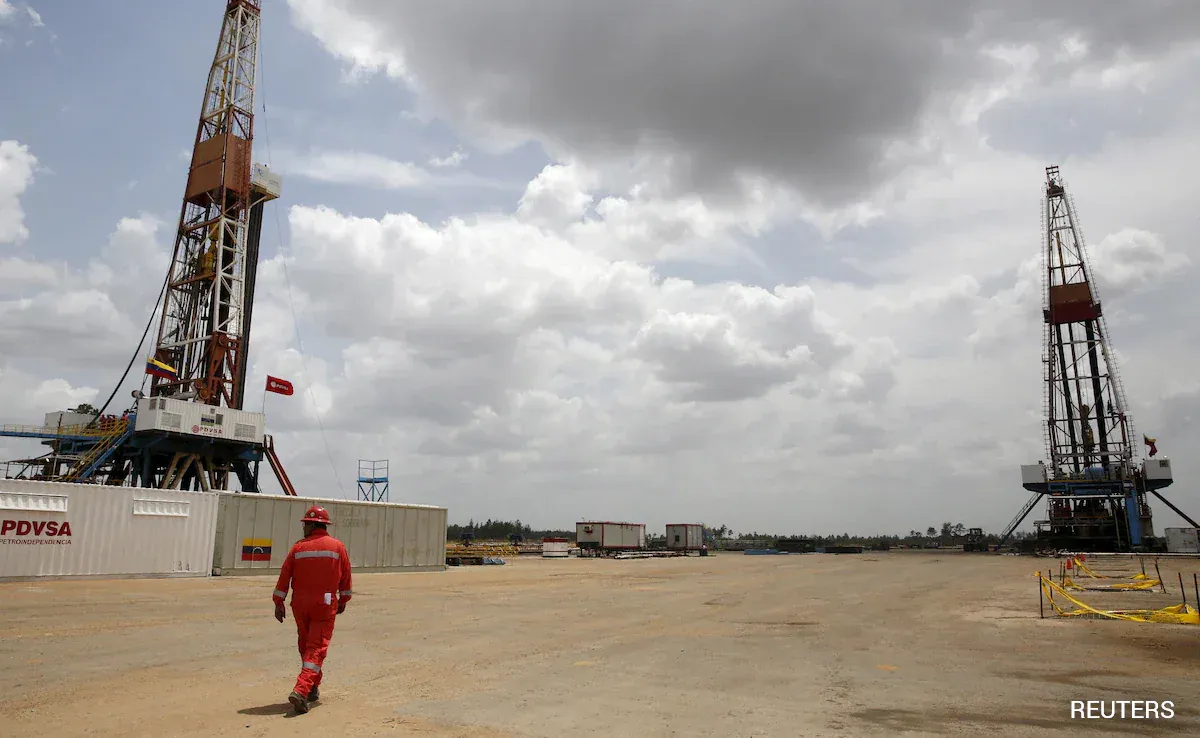
Trump Administration Holds Venezuelan Oil Funds in Qatar Amid Legal and Political Challenges
The Trump administration has taken an unusual step in handling funds from Venezuelan oil sales: hundreds of millions of dollars are being held in a Qatari bank rather than in the United States or sent directly to Venezuela. While the move aims to speed up aid and ensure the money reaches the country’s people, it has also raised questions about transparency and oversight.
The first sale of Venezuelan oil under this program, confirmed Wednesday, raised $500 million. Many more sales are expected in the coming months and years, potentially generating billions of dollars.
Why the Funds Are Not Coming Straight to Venezuela
Venezuela has been largely cut off from the global banking system due to international sanctions. Over the years, foreign energy companies have demanded compensation for seized Venezuelan oil assets, making it difficult for the country to receive cash directly.
To navigate these challenges, the administration sent the money to a bank in Qatar. Treasury Secretary Scott Bessent confirmed the proceeds would start flowing to Venezuela immediately, with some banks in the country already advertising cash availability.
Former President Trump emphasized that the funds should directly benefit Venezuela while preventing creditors and claimants from seizing the money. He issued an executive order blocking any liens, garnishments, or legal claims on the oil revenue, saying interference would “substantially” disrupt U.S. efforts to support economic and political stability in Venezuela.
Qatar’s Role as a Financial Intermediary
By holding the funds in Qatar, the administration aims to protect the money from legal claims and accelerate its distribution to Venezuela. Experts note that Qatar has long served as a mediator between the United States and Venezuela, even before direct communication channels opened following Maduro’s government’s sanctions.
During the Biden administration, Qatari banks played a similar role in facilitating limited oil-related payments to Iran. This precedent helps explain why Qatar was chosen again.
Alejandro Grisanti, founder of Ecoanalitica, explained that Qatari banks have been instructed to auction the funds to Venezuelan banks with priority for food, medicine, and small businesses. The Central Bank of Venezuela will then allocate the money under rules set by the United States to ensure it is used for essential services, security, and government operations.
Concerns About Transparency and Misuse
While the move is designed to help Venezuelans, experts have expressed concern over transparency. Because the funds are outside the U.S., oversight is more difficult, and there is limited public information about how the money will be managed or controlled.
Some worry that acting President Delcy Rodriguez and other parts of the Venezuelan government could misuse the funds to support corrupt practices or maintain control through paramilitary groups and drug cartels.
One foreign relations expert said, “Unless there is a clear public plan showing who controls the funds and what anti-corruption measures are in place, it risks functioning like a slush fund.”
Critics Question Trump’s Motives
The decision to send the money to Qatar has drawn criticism from some U.S. lawmakers. Senator Elizabeth Warren argued that there is no legal basis for a president to set up offshore accounts to manage seized assets and warned that it could be seen as a move attractive to corrupt officials.
Despite the criticism, U.S. officials maintain that the measure is intended to protect the funds from creditors and legal claims while ensuring essential aid reaches Venezuelans.
What Comes Next for Venezuelan Oil Funds
As more oil sales are completed, billions more are expected to flow through this system. The Qatari bank model allows the U.S. to control the release of funds, prioritize essential needs, and prevent interference from foreign creditors.
The challenge will be maintaining transparency, accountability, and confidence that the money reaches the Venezuelan people rather than being diverted by corrupt officials.
Bottom Line
The Trump administration’s decision to hold Venezuelan oil proceeds in Qatar is an innovative, if controversial, solution to a complex problem. It aims to navigate sanctions, legal claims, and political challenges while directing resources to essential services in Venezuela. However, oversight and transparency will remain key concerns as billions of dollars move through this system.