TOKAYEV by Alain Khoueiry Explores the Power of Quiet Leadership
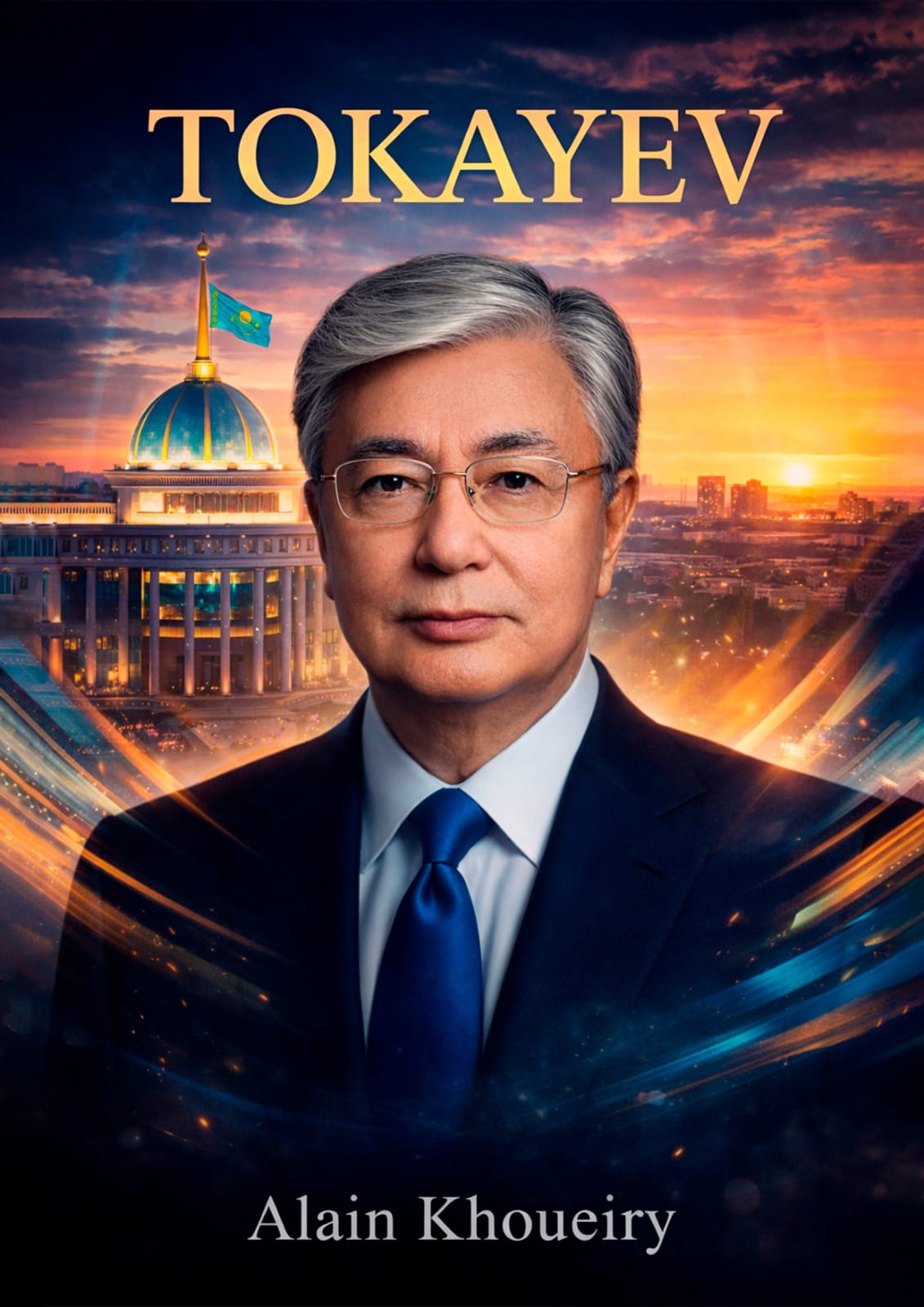
In his book TOKAYEV, Alain Khoueiry offers a deeply respectful and reflective exploration of leadership, character, and responsibility through the life and presidency of Kassym-Jomart Tokayev. Rather than presenting a conventional political analysis, Khoueiry chooses a more thoughtful path. He writes about discipline, dignity, and the kind of strength that does not demand attention but earns trust through consistency and results.
Set against the vast and historic landscape of Kazakhstan, the book situates Tokayev’s leadership within a nation that continues to define itself in the modern world. Kazakhstan’s journey as a young state navigating global complexity is central to the narrative. Khoueiry approaches this story with respect not only for the man at its center, but also for the nation he serves and the quiet resilience that underpins its progress.
Khoueiry traces Tokayev’s journey from a seasoned diplomat to head of state, emphasizing preparation, patience, and a lifelong commitment to public service. In a global environment where leadership is often loud and performative, Tokayev’s calm and measured style stands out. His approach reflects a belief that real authority lies in responsibility rather than spectacle. The book makes it clear that this is not a story of perfection, but one of seriousness in carrying the weight of a nation.
A significant portion of the book examines moments of crisis, particularly the period of national unrest that tested Kazakhstan’s stability. Through these chapters, Khoueiry explores how Tokayev responded under pressure, balancing decisiveness with institutional integrity. These moments reveal the essence of governance, showing how leadership is defined not by rhetoric, but by the ability to preserve legitimacy and stability in real time adversity.
Beyond crisis management, TOKAYEV delves into the president’s reform agenda, which spans political, judicial, and socio economic spheres. Khoueiry presents these reforms as carefully calibrated steps rather than radical upheavals. The focus remains on strengthening institutions, enhancing transparency, and creating a legal environment supportive of modernization and investment. The narrative acknowledges the delicate balance Tokayev maintains, advancing change while safeguarding social and political equilibrium.
Kazakhstan’s geopolitical positioning also features prominently in the book. Tokayev’s diplomatic experience shapes a foreign policy rooted in balance and dialogue. Khoueiry illustrates how Kazakhstan asserts itself as an active and respected participant in a multipolar world, maintaining constructive relations with global powers while fostering an image of neutrality and reliability.
At its core, TOKAYEV is a meditation on leadership grounded in patience, dialogue, and quiet resolve. Through Alain Khoueiry’s measured and empathetic writing, the book invites readers to reconsider what strength in leadership truly looks like in the twenty-first century.