They’re All Coming Back: Trump Says America’s Golden Age Is Near and Here’s How You Could Profit
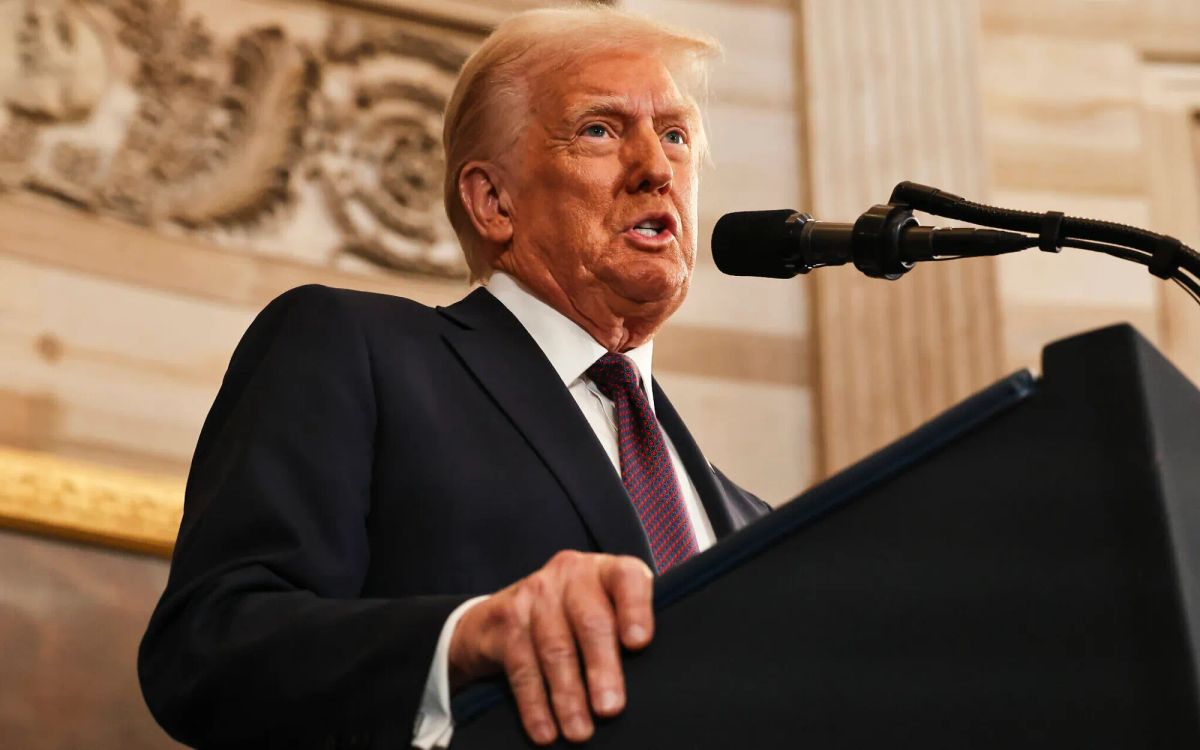
“They’re All Coming Back”: Trump Predicts a New Golden Age for U.S. Manufacturing
Former President Donald Trump says the United States is on the brink of a historic economic turnaround. According to him, foreign automakers and global manufacturing giants are racing to move their factories back to American soil, setting the stage for what he calls a new “golden age” for the country.
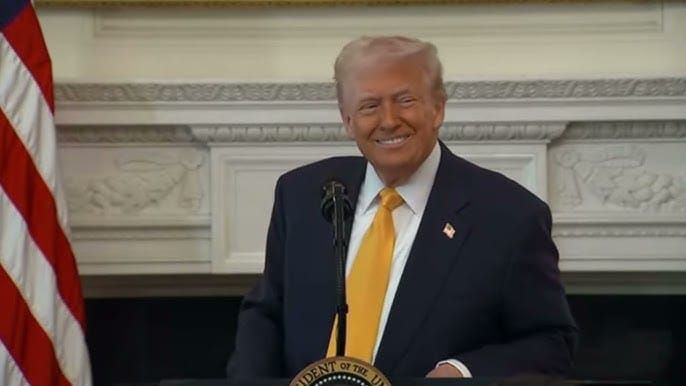
Speaking at a White House Christmas reception, Trump claimed the shift is already underway and that Americans will start seeing real results within the next six to twelve months. He credited his trade policies, especially tariffs, for reversing decades of outsourcing that sent jobs overseas.
In Trump’s words, the factories that once left for Europe, Mexico, Japan, and South Korea are now making their way back.
Why Trump Says Factories Are Returning to the U.S.
Tariffs as the Main Trigger
Trump argued that tariffs have made it more expensive for foreign companies to sell cars and goods in the U.S. without local production. Rather than paying those costs, he said, companies are choosing to build and expand factories inside America.
According to Trump, this shift is not driven by goodwill or politics, but by simple economics. Building in the U.S., he claims, has become the smarter financial choice for global manufacturers.
Big Names, Big Investments
One of the strongest examples Trump pointed to was Toyota. The Japanese automaker has announced plans to invest up to $10 billion in U.S. operations over the next five years. Trump described this as part of a much larger trend involving companies from Germany, Japan, and Canada.
He claimed these investments could add up to hundreds of billions of dollars and lead to thousands of new factories across the country.
Trump’s Big Claim: A Golden Age Within a Year
What He’s Promising
Trump said Americans should expect visible results within six months to a year. He described the coming period as something the country has never seen before, with job growth, factory construction, and economic expansion on a massive scale.
He painted a picture of booming towns, busy industrial zones, and a revived manufacturing base that strengthens the middle class.
How This Compares to Today’s Economy
Despite the optimism, recent economic data tells a more mixed story. The unemployment rate has climbed to 4.6 percent, the highest level since 2021. The Federal Reserve has also lowered interest rates, signaling concerns about slowing job growth and inflation pressures.
Still, Trump insists these numbers do not reflect what is coming next. He believes the manufacturing surge is just getting started and will soon outweigh current economic softness.
What a Manufacturing Boom Could Mean for Americans
Beyond Factory Jobs
If large-scale manufacturing does return to the U.S., the impact would go far beyond assembly lines. History shows that industrial growth tends to lift multiple sectors at once.
Construction companies benefit from new plants and infrastructure. Logistics firms see increased demand for transporting raw materials and finished goods. Technology companies gain from automation, robotics, and smart manufacturing systems.
Stock Market Opportunities
When industrial investment rises, certain stocks often perform well. These typically include companies involved in materials, semiconductors, industrial equipment, freight, and automation.
After the 2008–2009 financial crisis, the broader stock market rebounded sharply, with industrial stocks often leading the recovery as infrastructure spending increased. While past performance does not guarantee future returns, a reshoring trend could create similar momentum in select sectors.
AI, Robotics, and the Future Factory
Smarter Manufacturing
Modern factories are not like the ones of the past. If companies build new plants today, they are likely to rely heavily on artificial intelligence, robotics, and automation.
This could drive growth in industries focused on smart logistics, predictive maintenance, factory software, and advanced robotics. Many of these areas are already attracting significant investment and could expand further if manufacturing accelerates.
Startups and Innovation
A manufacturing revival could also spark a wave of new startups. Smaller companies often emerge to support large factories, offering specialized services, tools, and technologies. For entrepreneurs and investors, this could open doors to new opportunities tied to industrial growth.
Real Estate: A Quiet Winner in Manufacturing Booms
Why Property Values Often Rise
When factories move into an area, they bring jobs and people. Workers need housing. Companies need warehouses. Communities need roads, utilities, and services. All of this tends to push up demand for real estate.
Areas just outside major cities or in previously overlooked regions often see the biggest gains, as developers and investors move in early.
Investing Without Buying a Home
Traditionally, investing in real estate required significant capital and hands-on management. But newer platforms now allow individuals to invest small amounts into rental properties without becoming landlords themselves.
With investments starting as low as $100, people can earn a share of rental income while the platform handles property management, maintenance, and tenants. This approach allows everyday investors to benefit from regional growth linked to manufacturing expansion.
Risks and Reality Checks
No Guarantee of a Boom
While Trump’s predictions are bold, economic outcomes depend on many factors. Global demand, interest rates, labor availability, and political stability all influence whether companies follow through on large investments.
Not every announced project becomes a completed factory, and not every factory leads to long-term local prosperity.
Timing Matters
Even if a manufacturing boom does happen, it may take years to fully play out. Construction, hiring, and supply chain development move slowly. Investors and workers alike need patience and realistic expectations.
What to Watch in the Coming Months
If Trump’s forecast is accurate, several signs could confirm it. These include announcements of new factory projects, rising construction permits in industrial zones, increased hiring in manufacturing-related roles, and growing demand for industrial materials.
Local governments offering incentives to attract factories could also signal where future growth may concentrate.
A Golden Age or Political Optimism?
Trump’s message is clear and confident: America’s manufacturing comeback is underway, and the best years are ahead. Whether this vision becomes reality will depend on how global companies respond to tariffs, market conditions, and long-term costs.
For Americans watching closely, the key question is not just whether a golden age arrives, but how prepared they are to take advantage of it if it does.