Tesla’s Robotaxi Revolution: Elon Musk’s Bold AI Gamble
Tesla Shifts Focus From Cars to AI
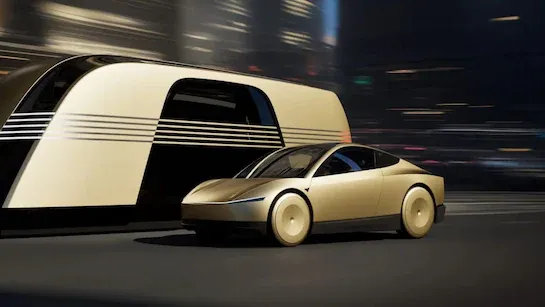
Tesla (NASDAQ: TSLA) is no longer just a car company. The real focus now is artificial intelligence (AI), particularly the rollout of its self-driving robotaxis. The first fleet has already launched in Austin, Texas, and San Francisco, giving investors and fans a glimpse of Musk’s ambitious vision.
CEO Elon Musk continues to make headlines with updates on the fleet, which has sparked both excitement and skepticism among investors. The question on everyone’s mind is whether Tesla can deliver on Musk’s promises, or if this is another case of overhyped projections.
Musk’s Robotaxi Ambitions
Tesla introduced robotaxis in select markets last year. While the fleet is operational, the launch has been limited:
- Vehicles are geofenced to certain areas in Austin and San Francisco.
- Human monitoring is still involved, either in the passenger seat or remotely.
During Tesla’s 2025 fourth-quarter earnings call, Musk shared ambitious numbers:
- He claims over 500 robotaxis are already carrying paid passengers between Austin and the Bay Area.
- He expects this number could double each month.
- Musk also envisions robotaxis being available in 25 to 50 percent of the United States by the end of the year, pending regulatory approval.
Musk even stated that some robotaxis in Austin are operating fully unsupervised, though the rollout is cautious due to challenging driving conditions in certain areas.
Fact vs. Hype
Independent tracking projects, like Robotaxi Tracker, suggest Musk’s numbers may be optimistic. Only about four of Tesla’s 58 robotaxis in Austin are actually unsupervised, far fewer than the company’s claims.
This discrepancy highlights a key challenge for investors: separating Musk’s ambitious vision from the reality on the ground. Musk has a history of setting aggressive targets, such as promising 1 million robotaxis in 2020 — a number Tesla did not achieve.
Challenges Facing the Robotaxi Fleet
Tesla’s robotaxi program is not without obstacles:
- Production delays: Musk recently tweeted that robotaxi and Optimus humanoid robot production is “agonizingly slow.”
- Safety concerns: Reports suggest the fleet has experienced crashes, which could create regulatory hurdles.
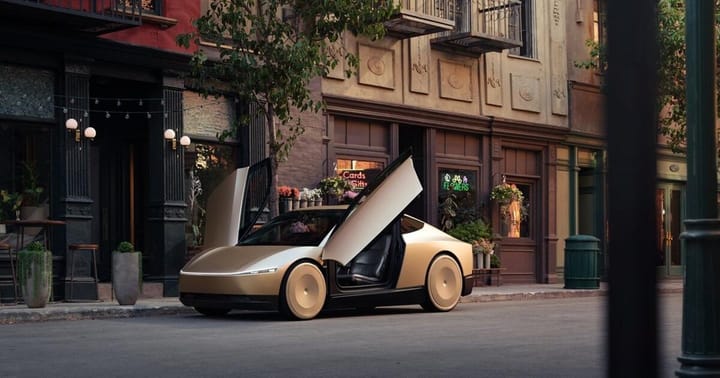
- Specialized vehicles: Tesla’s cybercabs, designed to scale the robotaxi fleet without steering wheels, are not expected to enter production until April.
Additionally, Tesla plans to reduce Model S and X production to make room for Optimus robots, showing the company is reallocating resources to AI-focused projects.
The Risk-Reward Equation
Tesla is betting big on AI through robotaxis and humanoid robots. The company is more than doubling its capital expenditures to fund these initiatives, and some analysts do not expect Tesla to generate free cash flow in 2026 or 2027.
With Tesla trading at over 200 times forward earnings, the market is clearly pricing in success from these AI projects. This makes the stock particularly sensitive:
- If robotaxis fail to scale or face setbacks, the stock could drop sharply.
- Investors must weigh whether the potential rewards justify the high expectations built into the stock price.
Musk’s Vision and Investor Skepticism
Musk’s vision is undeniably bold, but history shows that his timelines are often ambitious. Investors should consider:
- Past unmet targets, such as the 1 million robotaxis prediction.
- Current production bottlenecks and slow rollout.
- Safety and regulatory challenges that could limit adoption.
While Tesla’s AI initiatives have the potential to transform transportation, the path to success is far from guaranteed.
Why Tesla’s AI Ambitions Matter
Despite the hurdles, Tesla’s move into AI could have massive implications for the company and the industry:
- Robotaxis could redefine urban transportation.
- Optimus humanoid robots could open new revenue streams beyond cars.
- AI integration may position Tesla as a leader in autonomous technology.
The stakes are high, and the potential rewards could be enormous if Musk’s vision is realized.