
Tesla Stock Rises as SpaceX IPO Buzz Grows — What It Means for Investors
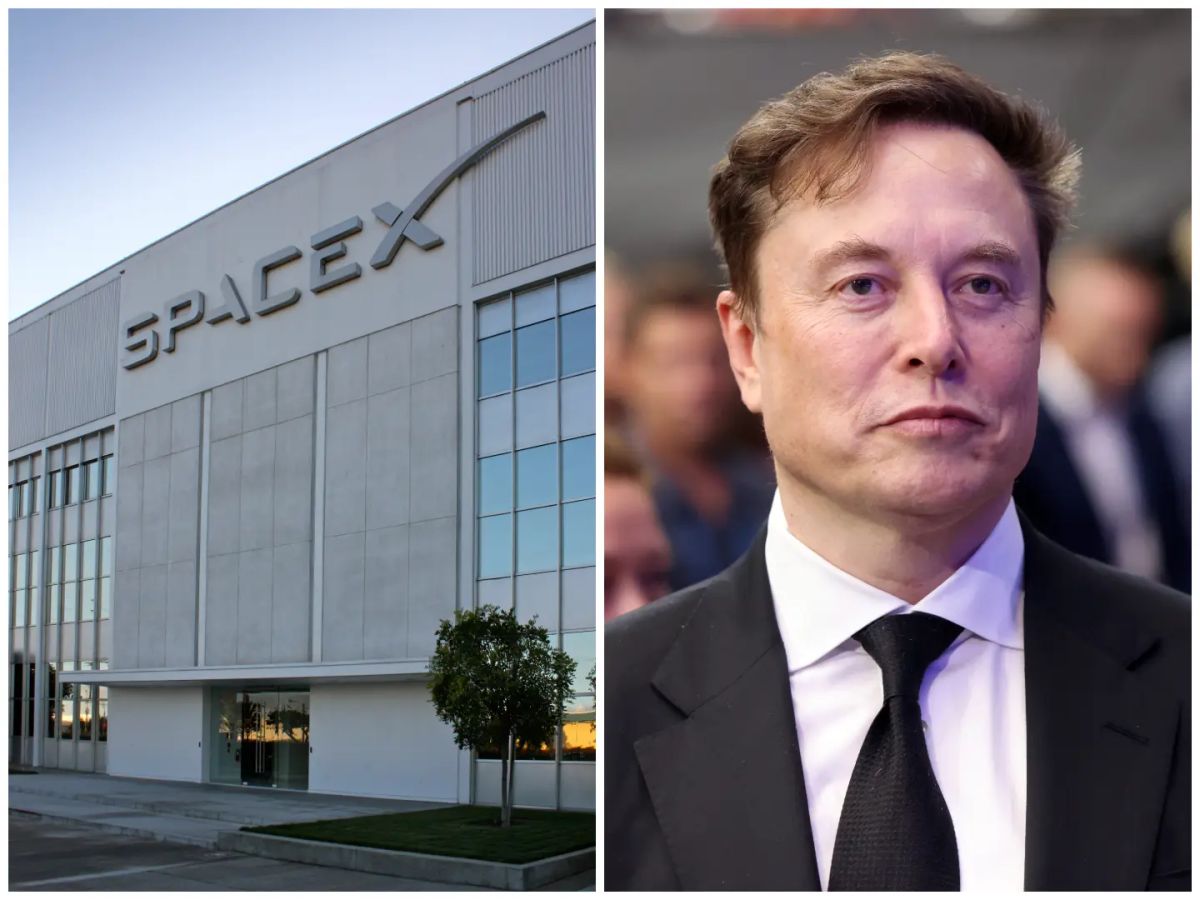
Tesla shares edged higher recently after fresh reports suggested SpaceX is exploring a possible initial public offering. Even though SpaceX remains private and no official filing has been made, the mere possibility of a public listing has sparked renewed excitement around Elon Musk’s business network and its future growth prospects.
Investors often see Musk’s ventures as interconnected. So when one company shows strong momentum or expansion plans, it can influence sentiment toward others, especially Tesla. With earnings season approaching and artificial intelligence investments accelerating, Tesla now sits at the center of multiple market narratives.
Here’s a clear and engaging breakdown of what’s happening, why Tesla stock reacted, and what investors should watch next.
Understanding the recent Tesla stock movement
Tesla shares rose modestly after news surfaced that SpaceX has reportedly been interviewing major banks about a potential IPO. While the increase was relatively small, the reaction highlights how closely markets follow developments tied to Elon Musk.
There are several reasons this connection matters:
Shared leadership influence
Elon Musk leads both companies, so investor confidence in one often spills into the other.
Technology overlap
Artificial intelligence, automation, and advanced engineering link Tesla’s automotive focus with SpaceX’s aerospace innovations.
Market storytelling
Investors often buy into broader growth narratives rather than isolated companies.
Because of this, even preliminary IPO discussions around SpaceX can create positive sentiment for Tesla.
Why a SpaceX IPO would be significant
If SpaceX eventually goes public, it could become one of the largest IPOs in history. Reports suggest the company might seek to raise more than 25 billion dollars, potentially working with major investment banks like Morgan Stanley.
Such a listing would attract enormous global attention for several reasons:
Scale and valuation
SpaceX is already valued extremely highly in private markets.
Leadership reputation
Musk’s track record creates strong investor curiosity.
Strategic importance
Space infrastructure, satellite internet, and AI-driven technologies are fast-growing sectors.
A successful IPO could further boost confidence in Musk-led ventures, including Tesla.
How the SpaceX–xAI merger reshaped Musk’s business empire
Earlier this year, SpaceX merged with artificial intelligence company xAI in a deal reportedly valuing the combined entity around 1.25 trillion dollars. This move shifted the balance of Musk’s corporate ecosystem.
SpaceX has now become one of the most valuable parts of his portfolio, rivaling Tesla’s market capitalization. Musk also owns a larger stake in SpaceX compared to Tesla, making it central to his personal wealth.
This consolidation reflects a broader strategic vision:
Combining AI with aerospace infrastructure
Leveraging satellite networks for data processing
Building interconnected technologies across industries
Some investors refer to this growing network of companies as the “Muskonomy,” emphasizing how resources, talent, and capital flow between Musk’s ventures.
Why artificial intelligence is central to the strategy
Artificial intelligence sits at the core of both Tesla’s and SpaceX’s future plans.
For Tesla, AI drives:
Autonomous driving development
Robotics innovation
Manufacturing automation
Data-driven vehicle improvements
For SpaceX and xAI, AI could support:
Satellite communications optimization
Space-based computing infrastructure
Advanced data analytics
Autonomous mission operations
This shared AI focus helps explain why developments in one company influence investor sentiment toward the other.
Space computing and the long-term vision
One particularly ambitious idea behind the SpaceX–xAI combination involves building data centers in space. Musk has suggested that orbital computing could address energy constraints on Earth while enabling massive AI processing capacity.
SpaceX has reportedly explored regulatory approval to deploy large numbers of satellites capable of supporting such infrastructure.
While still speculative, this concept has captured investor imagination. If successful, it could redefine cloud computing, telecommunications, and AI infrastructure.
Tesla’s upcoming earnings as a near-term catalyst
Aside from SpaceX developments, Tesla faces an important milestone soon: its fourth-quarter earnings report.
Investors will be watching several key indicators:
Vehicle delivery numbers
Profit margins amid pricing competition
Spending on AI and robotics
Consumer demand trends
Energy storage and charging expansion
Earnings announcements often trigger sharp stock movements, especially when expectations are uncertain.
Even strong long-term narratives cannot fully offset short-term financial performance, so these results will likely influence Tesla’s near-term stock direction.
Why IPO rumors affect investor psychology
Markets often react to expectations before events actually occur. The idea of a SpaceX IPO creates anticipation, even if the timeline remains uncertain.
This happens because investors associate IPOs with:
New growth opportunities
Increased transparency into financials
Higher liquidity for shares
Expanded institutional participation
As a result, companies connected to the potential IPO may experience indirect benefits in investor perception.
However, experienced traders also caution that speculation alone does not change underlying business fundamentals.
Factors that could delay a SpaceX IPO
Despite strong interest, any IPO process is complex and subject to several conditions:
Market stability
Public offerings often wait for favorable economic environments.
Regulatory approvals
Aerospace and satellite operations involve significant oversight.
Financial disclosures
Private companies must prepare extensive public filings.
Strategic timing
Companies may delay listings to maximize valuation.
For now, SpaceX remains private, and no official timeline has been confirmed.
What this means for Tesla investors
Tesla shareholders are navigating multiple overlapping narratives:
AI leadership potential
Electric vehicle market competition
Robotics and automation expansion
Energy storage growth
Elon Musk’s broader business ecosystem
The SpaceX IPO discussion adds another layer but does not directly alter Tesla’s core financial performance.
Investors should differentiate between:
Sentiment-driven price moves
Fundamental business changes
Both influence stock performance, but fundamentals typically dominate long-term valuation.
Broader implications for technology markets
The growing intersection of AI, space technology, and advanced manufacturing is shaping future investment trends.
Companies operating in these areas attract significant capital because they promise:
Long-term infrastructure development
High-margin technology services
Global connectivity expansion
Automation-driven productivity gains
Tesla and SpaceX both fit within this broader technological transformation.
If SpaceX eventually lists publicly, it could accelerate investment across aerospace, AI infrastructure, and satellite communications industries.
Looking ahead
Tesla’s recent stock movement highlights how closely markets track Elon Musk’s broader business ecosystem. While SpaceX IPO rumors alone may not change Tesla’s financial outlook, they contribute to investor optimism about future technological breakthroughs.
At the same time, upcoming earnings, competitive pressures, and evolving AI investments will likely have a more immediate impact on Tesla’s share price.
Whether or not SpaceX goes public soon, the interconnected nature of Musk’s ventures means developments in one company will continue influencing perceptions of the others.
For investors, the key will be balancing excitement about innovation with careful analysis of actual financial performance and long-term strategic execution.