
Targeted vs. Sweeping Immigration Raids: Tom Homan’s Plan After Minneapolis Controversy
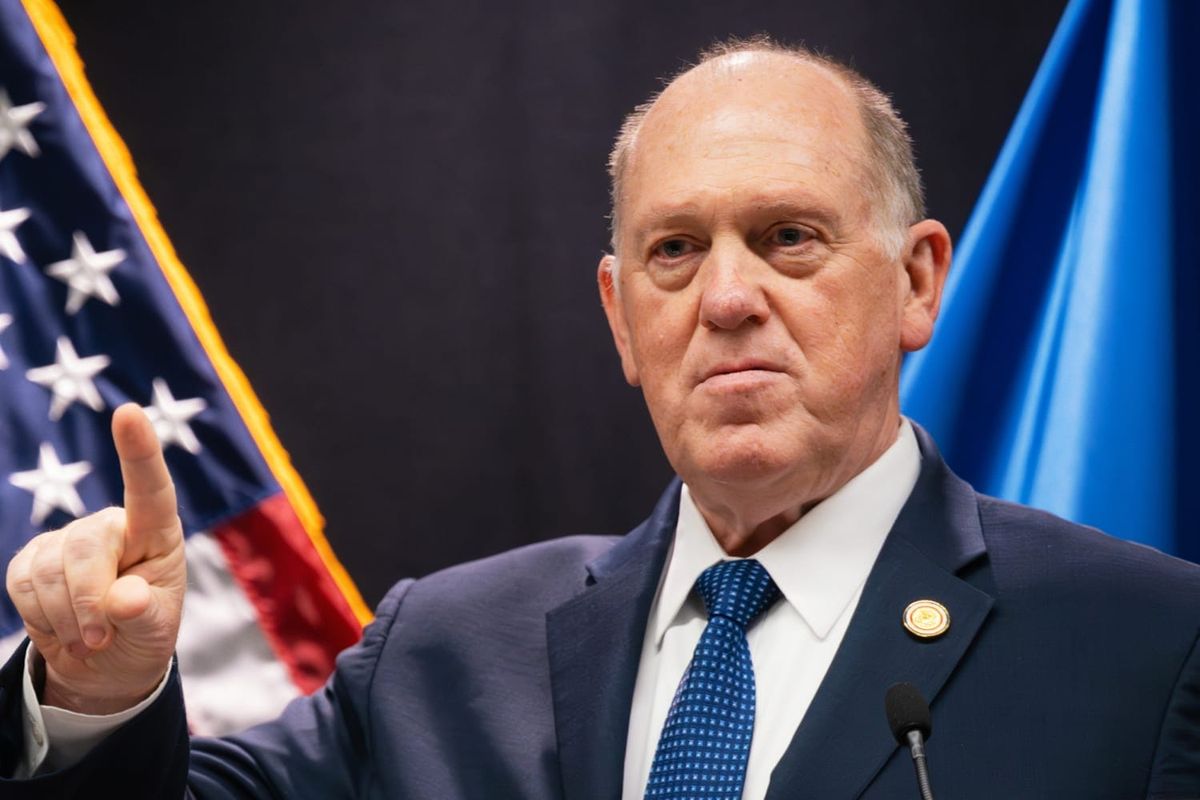
Tom Homan Advocates a Focused Approach to Immigration
Long before taking charge of immigration enforcement in Minneapolis, Tom Homan warned that a more targeted strategy was essential to maintain public trust. A former Homeland Security official under Obama and both Trump administrations, Homan has long argued that while any immigrant living in the U.S. illegally can be arrested, those with criminal records should be the top priority.
In a June interview for the upcoming book Undue Process: The Inside Story of Trump’s Mass Deportation Program, Homan said failing to focus on criminals could hurt public support for the administration’s policies.
“I think the vast majority of the American people think criminal illegal aliens need to leave. And if we stick to that prioritization, I think we keep the faith of the American people,” Homan said.
He stressed that enforcement should remain humane while maintaining this focus.
Controversial Enforcement Tactics Under Greg Bovino
Before Homan took over, Border Patrol commander Greg Bovino ran operations in Los Angeles with a more sweeping approach. Unlike ICE officers who focus on specific targets, Border Patrol began broad arrests based on location, such as in the Los Angeles Fashion District and Home Depot parking lots, targeting immigrants where they lived or worked.
These operations, including one called Operation Trojan Horse, sparked five weeks of protests and led the Trump administration to deploy the National Guard and Marines in Los Angeles.
Bovino’s aggressive style spread to other cities, including Chicago, Charlotte, and New Orleans, and eventually Minneapolis, where tragic incidents occurred.
Minneapolis Tragedy Highlights Enforcement Risks
In Minneapolis, two U.S. citizens, ICU nurse Alex Pretti and Renee Good, were killed during immigration operations. Local officers detained citizens and asked people at gas stations to prove their citizenship, leading to public outrage.
Bovino faced criticism for personally deploying tear gas during protests in Chicago and other cities. These actions ultimately led to his replacement by Homan, who favors more targeted enforcement focused on immigrants with criminal histories.
Homan Implements a Measured Approach
Upon taking over, Homan began reducing personnel in Minneapolis, cutting 700 federal officers from a total of 3,000, while coordinating with local law enforcement to identify immigrants with criminal records.
He also emphasized that prioritizing criminal cases does not mean ignoring other arrests. Homan explained that any immigrant living in the U.S. illegally is still subject to arrest, even if the main focus is on criminals.
“When I say prioritize public safety threats, they’re just a priority. If you’re in the country illegally, you’re not off the table,” he said.
This approach aligns with past practices in previous administrations, where agents would make collateral arrests of anyone encountered during operations targeting criminals, rather than conducting mass sweeps.
Public Opinion and Political Pressures
Despite Homan’s measured strategy, broader enforcement tactics have faced heavy criticism. A New York Times/Siena poll taken after Renee Good’s shooting showed that 61% of respondents felt ICE went too far.
Internal DHS communications indicate tension within the administration. While Secretary of Homeland Security Kristi Noem has publicly stated that operations are targeted, emails reveal that sweeping enforcement was encouraged by Bovino and adviser Corey Lewandowski, sometimes clashing with Homan’s priorities.
Homan himself had previously expressed concern about arresting asylum seekers who entered the U.S. legally, noting that such stories could increase public scrutiny and erode support for enforcement actions.
Balancing Enforcement and Public Support
Homan’s approach underscores the challenge of balancing strict immigration enforcement with public perception. He believes that focusing on immigrants with criminal records preserves public trust while still maintaining the authority to arrest anyone illegally present in the country.
“If we send a message to the world that if you enter the country illegally, but don’t commit another crime, we’re not looking for you, we can’t send that message,” Homan said.
By prioritizing threats to public safety, Homan aims to maintain legitimacy and avoid the backlash that large-scale sweeps have previously caused.
The Takeaway
The shift from sweeping operations under Bovino to a targeted strategy under Homan reflects an ongoing debate within U.S. immigration policy. While broad raids create controversy and legal challenges, Homan’s measured approach attempts to focus resources on the highest-risk individuals, working in tandem with local law enforcement to balance enforcement with public accountability.
The Minneapolis incidents and nationwide protests illustrate the risks of aggressive enforcement, but Homan’s plan seeks to preserve the authority of ICE and Border Patrol while addressing public and political concerns about civil liberties and humane treatment.