
Several Injured After Avalanche Derails Train in Swiss Alps
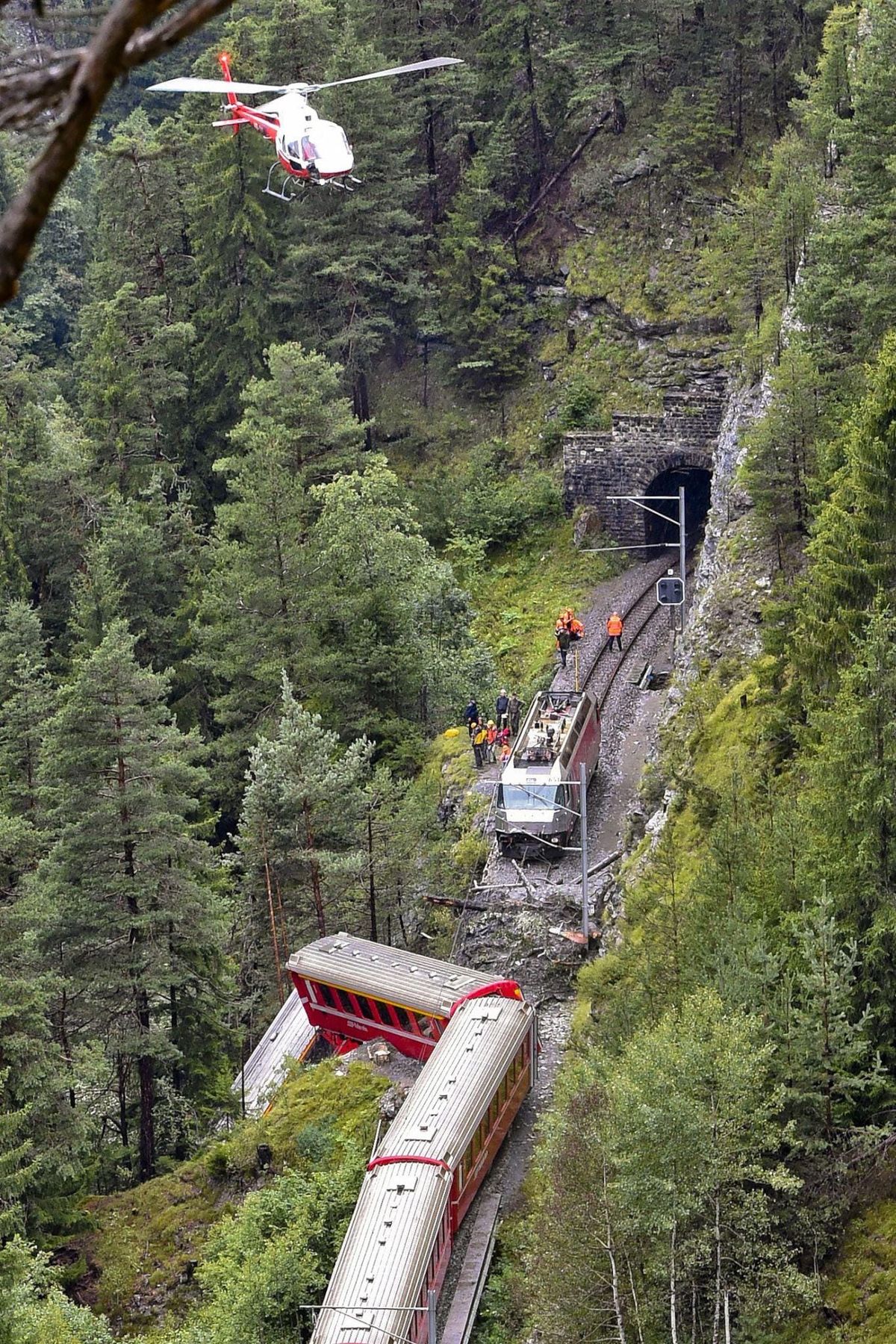
Several passengers were injured after a snow avalanche struck and derailed a passenger train in the Swiss Alps, triggering a massive emergency rescue operation in one of Europe’s most challenging terrains. Authorities said the incident occurred on a high-altitude railway route that runs through avalanche-prone zones amid deteriorating weather conditions.
According to Swiss emergency services, the avalanche descended suddenly from a steep mountainside following days of heavy snowfall and fluctuating temperatures. The force of the snow mass slammed into the moving train, causing multiple coaches to leave the tracks. Panic broke out inside the train as passengers were violently jolted from their seats, with luggage and debris flying through the compartments.
Rescue officials confirmed that several passengers sustained injuries, ranging from fractures to head trauma, while others suffered hypothermia and shock due to prolonged exposure to cold temperatures. Fortunately, no deaths have been reported so far. The injured were quickly evacuated and transported to nearby hospitals using a combination of ambulances and rescue helicopters, as road access to the site was limited.
Eyewitnesses described terrifying moments as the avalanche struck without warning. “There was a loud rumble like thunder, and then the train shook violently,” said one passenger. “People were screaming, and we could see snow piling up against the windows.” Some coaches were partially buried, complicating evacuation efforts.
Swiss mountain rescue teams, firefighters, police, and medical personnel worked for hours in extreme conditions to secure the area and ensure all passengers were accounted for. Specialized avalanche rescue units used thermal imaging equipment and trained dogs to rule out the possibility of anyone being trapped under the snow.
Railway authorities said the affected route has been suspended indefinitely while engineers inspect track damage and assess safety risks. Officials acknowledged that avalanche warnings had been issued in several alpine regions, with risk levels marked as high due to unstable snowpacks. However, the sudden nature of the avalanche left little time for preventive action.
The Swiss Federal Transport Office has ordered a detailed investigation into the incident, focusing on weather assessments, operational decisions, and existing avalanche protection systems such as snow sheds and barriers. “Passenger safety is paramount. We will examine whether additional safeguards are required in light of changing weather patterns,” a railway spokesperson said.
Experts note that climate change has increased the unpredictability of avalanches, even outside peak winter months, posing serious challenges for alpine infrastructure. Warmer temperatures followed by sudden snowfall can destabilize snow layers, making avalanches more frequent and harder to predict.
Authorities have urged travelers and tourists to strictly follow weather advisories and avoid non-essential travel in high-risk mountain areas until conditions improve. As recovery operations continue, the incident serves as a stark reminder of the power of nature and the risks faced by transport networks in extreme environments.