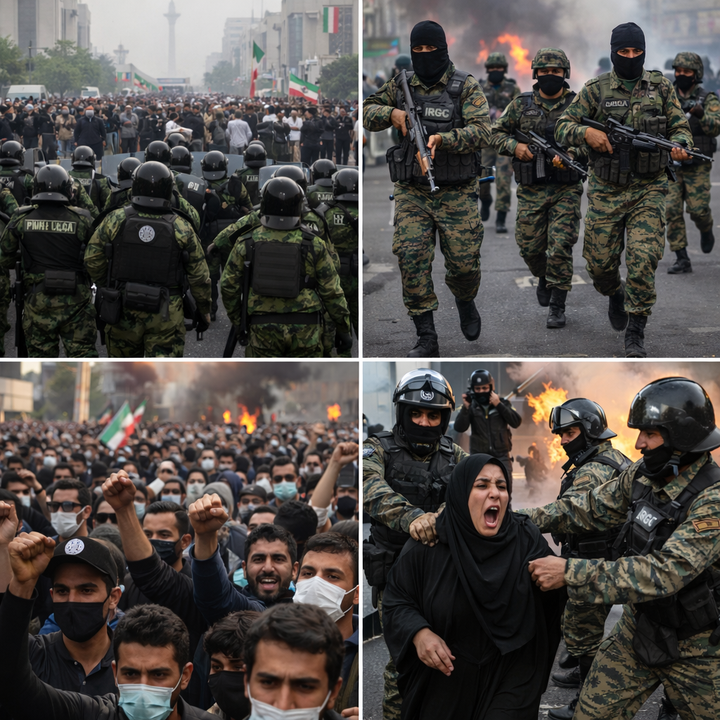
See How the Middle East’s Ceasefires Remain Plagued by Violence
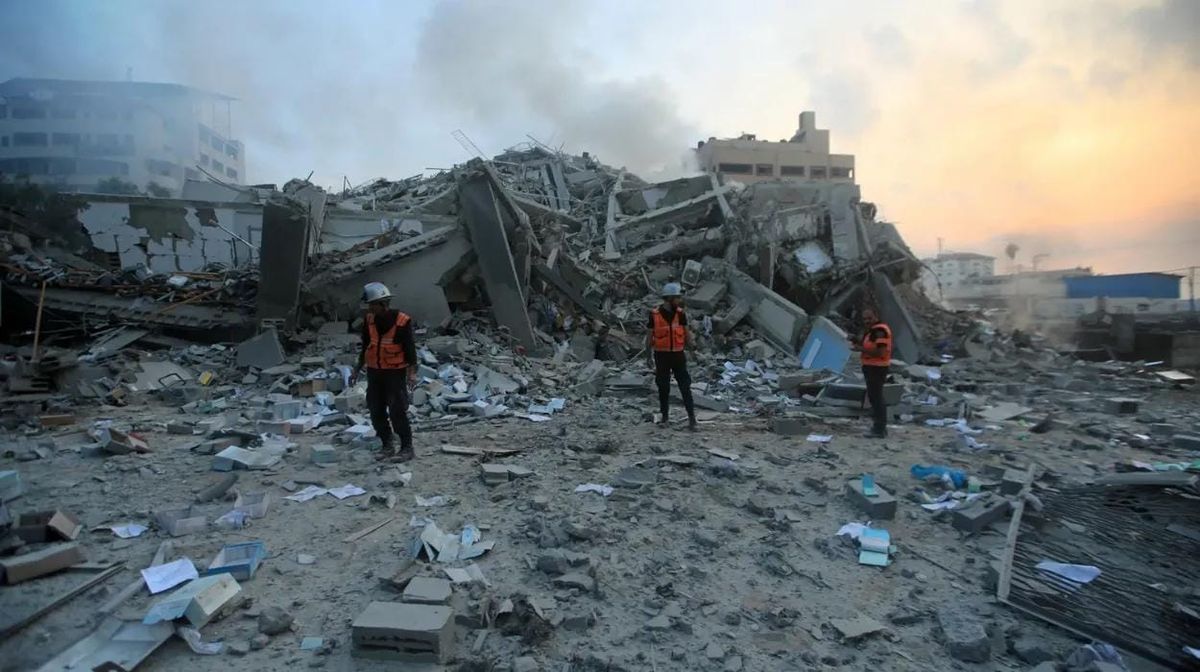
The Middle East is still having a lot of problems with violence even though there have been ceasefire agreements. From Gaza and Lebanon to the issue with Iran the region is stuck in a bad cycle. This cycle is where diplomatic breakthroughs are often undermined by military action people not trusting each other and a lot of human suffering. What is happening now shows that ceasefires might reduce the intensity of conflict. They do not get rid of the main reasons for the violence.
In Gaza, the ceasefire that was supposed to help people and allow for talks is not working well. Israel is still doing operations against Hamas and many Palestinians are getting hurt. Organizations that help people are worried because many civilians do not have food, medicine, electricity or clean water. The military actions are making international observers think that the ceasefire is getting weaker of becoming a permanent peace.
Lebanon is another place where the ceasefire's not strong. The United States helped make a ceasefire between Israel and Lebanon to stop the fighting and start talks.. Israel and Hezbollah are still fighting and there are drone strikes, rocket attacks and military operations across the border. Many people have. More than a million have had to leave their homes.
The situation is more complicated because of the power dynamics between Iran and the United States. Even though they have talked and tried to reduce tensions things are still not good. There are disagreements about security, sanctions and Irans nuclear program. These are making things uncertain. Everyone is saying that the other side is not following the ceasefire and this is making it hard to trust each other and have a lasting peace.
Many organizations have said that ceasefires alone cannot solve the problems in the Middle East. The United Nations wants to watch what is happening in Lebanon more closely and humanitarian groups want more protection for civilians. Experts think that to have peace there need to be political agreements, economic help, accountability for what has happened and security guarantees that work for everyone.
For people in the Middle East the effects of these fragile ceasefires are very bad. Families who had to leave their homes because of war cannot go back businesses are still closed and important things like roads and hospitals are damaged. While world leaders are talking about peace behind doors many civilians are still caught between the idea of peace and the reality of ongoing violence.
The Middle East is, at a point: it needs to turn the temporary stops in fighting into real political solutions. Until that happens ceasefires might only give moments of calm in a region that is still looking for lasting stability. The Middle East needs to find a way to make peace last. This is the biggest challenge it faces right now.