Samsung Is Back: Why Analysts Believe the Tech Giant’s Best Days Are Ahead
Samsung’s Stock Rally Gains New Momentum
Samsung Electronics has staged one of the most dramatic market comebacks in recent years. Since the beginning of last year, the South Korean tech giant has added an astonishing $350 billion to its market value, and analysts believe the rally may still have room to grow.
Once seen as lagging behind rivals in the fast-moving AI chip race, Samsung is now drawing renewed optimism from investors who expect record earnings, rising demand for memory chips, and stronger positioning in artificial intelligence.
From Underdog to Comeback Story
For nearly three years, Samsung underperformed compared to smaller rival SK Hynix, which gained favor with Nvidia and surged ahead as demand for high-bandwidth memory chips exploded. During that period, Samsung was often viewed as a company that had missed the AI wave.
That narrative is now shifting.
In early 2026, Samsung’s shares have begun outperforming SK Hynix, signaling a reversal in investor sentiment. Expectations of progress in AI-related businesses and sharp increases in memory chip prices are driving growing confidence that Samsung is reclaiming its leadership position.
Nvidia’s AI Signal Boosts Samsung Shares
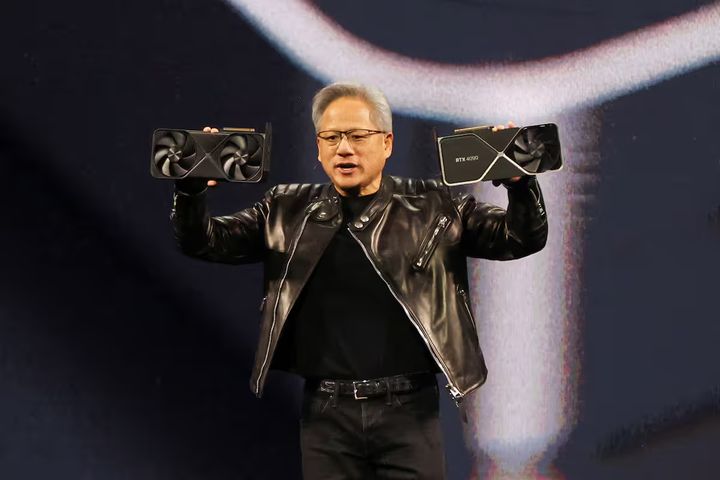
Samsung shares jumped as much as 4% in a single trading session after Nvidia’s CEO spoke publicly about a major opportunity in AI data storage that remains largely untapped.
Why This Matters for Samsung
The comments reignited optimism that Samsung stands to benefit significantly from the next phase of AI infrastructure growth. AI systems require massive storage capacity alongside computing power, and Samsung’s strength in memory chips positions it well to serve this demand.
The stock rise came just ahead of Samsung’s preliminary earnings report, which is expected to show that quarterly profits more than doubled compared to a year earlier.
Analysts Predict Record-Breaking Earnings
Market analysts are increasingly bullish on Samsung’s financial outlook.
Earnings Expected to Double in 2026
Estimates suggest Samsung’s earnings could more than double in 2026, reaching a record level of around $60 billion. That would place Samsung on par with Taiwan Semiconductor Manufacturing Company in terms of projected profits, even though its market value remains far lower.
Samsung’s current market capitalization stands near $560 billion, less than half that of TSMC. This gap has fueled arguments that Samsung still offers significant upside potential.
Why Investors Believe Samsung Is Catching Up
Many fund managers see Samsung’s recent performance as a long-overdue correction rather than a speculative surge.
Renewed Confidence From Asset Managers
Some investors believe Samsung was unfairly discounted after being perceived as late to the AI boom. As the company shows signs of progress, capital is flowing back in.
Several funds have increased their exposure to Samsung, betting that 2026 will be a year of catch-up as the company benefits from multiple overlapping growth drivers.
High-Bandwidth Memory Could Be the Game Changer
One of the biggest catalysts for Samsung’s renewed optimism is its potential progress in supplying high-bandwidth memory chips to Nvidia.
Closing the Gap With Rivals
Samsung is believed to be nearing a deal to supply the latest generation of its HBM chips to Nvidia. If finalized, this would mark a significant milestone and help close the gap with competitors who have already secured large AI-related contracts.
Winning such deals could materially improve Samsung’s valuation and reinforce its credibility in the AI hardware space.
Memory Chip Prices Are Soaring
AI demand is reshaping the entire memory market, and Samsung is benefiting in unexpected ways.
Supply Shortages Drive Prices Higher
The surge in demand for HBM chips has strained overall production capacity across the industry. As manufacturers prioritize AI-focused memory, fewer resources are available for conventional memory products.
Samsung, which dominates traditional memory segments, is seeing prices soar for older DRAM used in servers, personal computers, and smartphones.
2026 Could Bring a Supply Crunch
Analysts warn that the market may face a severe supply shortage in commodity memory next year, pushing prices even higher. AI-related usage is accelerating demand across both advanced and legacy memory categories.
This dynamic strengthens Samsung’s earnings outlook across multiple business lines.
Product Innovation Adds to the Optimism
Samsung has also generated attention through its latest product announcements.
AI-Enabled Consumer Electronics
At a major technology conference in Las Vegas, Samsung showcased new AI-powered televisions and consumer devices. While these products may not drive profits as directly as chips, they reinforce Samsung’s broader AI strategy and innovation narrative.
The buzz around these launches has added to positive sentiment surrounding the stock.
The Foundry Business Still Faces Challenges
Despite the optimism, not everything is smooth sailing.
Lagging Behind TSMC
Samsung’s foundry business, which manufactures chips for external clients, continues to trail far behind TSMC in scale and efficiency. Investors are hoping for gradual improvement, but the segment remains a long-term challenge rather than a near-term catalyst.
Progress in this area could further boost confidence, but expectations remain cautious.
Valuation Makes Samsung Look Attractive
Even after a strong rally, Samsung’s valuation metrics suggest room for further upside.
Lower Price-to-Earnings Ratio
Samsung’s forward price-to-earnings ratio has dropped sharply, falling to around 10 times earnings from more than 25 times in 2023. This decline reflects rapidly rising profit forecasts rather than falling share prices.
By comparison, many AI-focused stocks trade at significantly higher multiples, making Samsung appear relatively undervalued.
Risks Still Exist Despite the Rally
Not everyone is convinced the rally will continue uninterrupted.
High Expectations Could Backfire
Some market participants warn that expectations may be running ahead of reality. Any earnings disappointment, delays in HBM supply deals, or signs of a broader tech bubble could trigger a pullback.
While management and customers have expressed confidence, skeptics argue that stronger evidence of sustained earnings growth is still needed.
Profit Forecasts Support the Bull Case
Despite the risks, profit forecasts continue to move in Samsung’s favor.
Outpacing Rivals in Growth
Samsung’s profit estimates for the next 12 months have risen sharply, outperforming increases seen at SK Hynix and TSMC. This momentum has helped justify the stock’s rally and attract new investors.
Analysts say the current memory upcycle appears stronger than previous ones, increasing the chance that Samsung could surpass past valuation highs.
Why Many Believe Samsung’s Rally Isn’t Over
The convergence of AI demand, rising memory prices, improving competitive positioning, and attractive valuation has created a powerful narrative around Samsung’s comeback.
While challenges remain, many investors believe the company is entering a new growth phase that could redefine its standing in the global tech industry.
Samsung’s $350 billion stock rally has transformed the company from an AI laggard into a renewed market favorite. With analysts forecasting record earnings, strong demand for memory chips, and progress in AI infrastructure, the optimism surrounding the stock continues to build.
Whether Samsung can fully capitalize on this moment will depend on execution, but for now, investors appear convinced that the tech giant’s comeback story is far from over.