
Pakistan Train Bombing Kills Over 30 in Deadly Attack Near Quetta
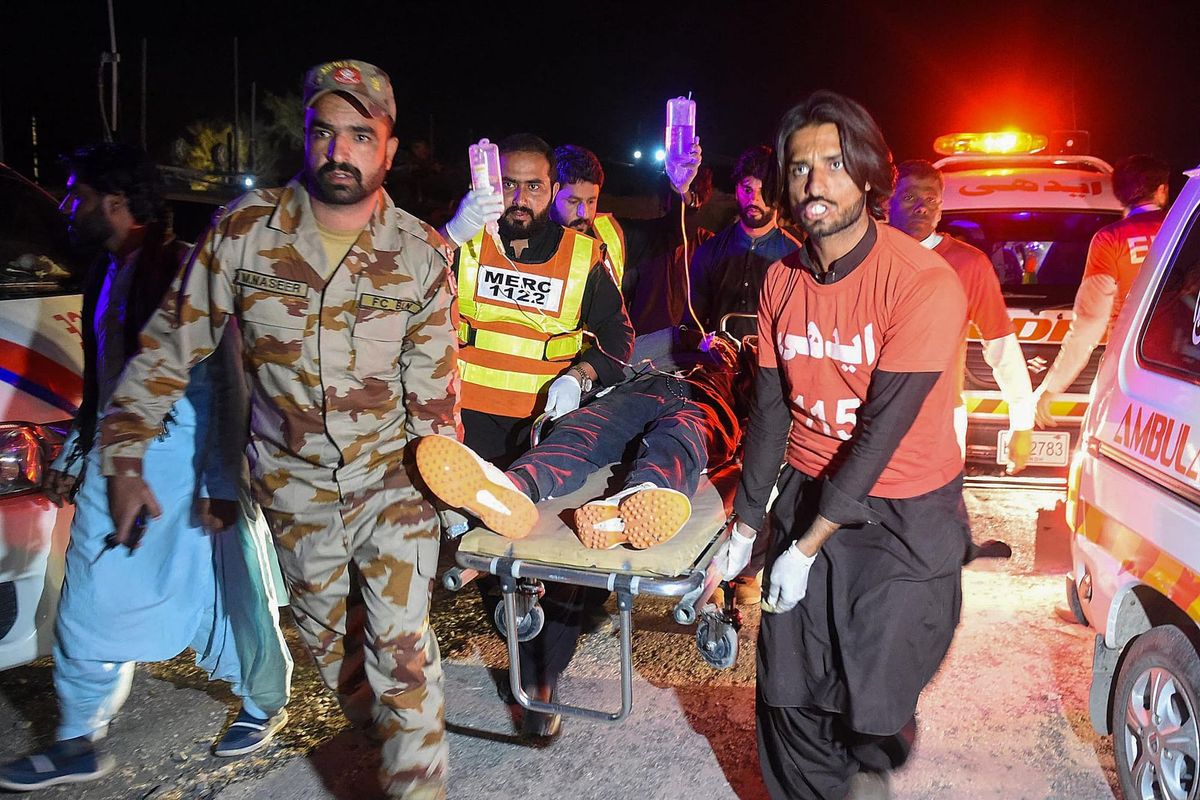
A devastating suicide bombing near a railway route in Quetta has left more than 30 people dead and dozens injured, making it one of the deadliest militant attacks in Pakistan this year. The explosion targeted a shuttle train carrying Pakistani security personnel and their family members ahead of Eid travel, officials said.
The attack took place in Pakistan’s southwestern province of Balochistan, a region that has witnessed growing militant violence and separatist unrest over recent years. According to officials, the train was transporting security personnel and relatives from the cantonment area in Quetta toward the main railway station, where passengers were expected to board the Jaffar Express to travel home for Eid celebrations.
Authorities said an explosives-laden vehicle rammed into the moving train near a railway crossing shortly after the train departed. The powerful explosion derailed the train’s engine and multiple coaches, while two carriages overturned due to the impact. Thick smoke filled the area as rescue workers, railway personnel, and emergency teams rushed to help survivors trapped inside damaged compartments.
Hospital authorities in Quetta declared emergency measures to accommodate injured passengers as ambulances transported victims from the blast site. Officials reported that dozens of people sustained injuries, with several critically wounded. Rescue operations continued for hours as teams searched damaged train coaches and nearby affected areas.
The separatist militant group Baloch Liberation Army, commonly known as BLA, claimed responsibility for the bombing. The organization described the assault as a suicide operation targeting Pakistani security personnel. Independent verification of the group’s claim remains ongoing.
Pakistan’s political leadership strongly condemned the attack. Prime Minister Shehbaz Sharif called the bombing an act of terrorism and pledged that those responsible would face justice. Government officials also reaffirmed their commitment to counterterrorism efforts in areas affected by insurgent activity.
Balochistan, Pakistan’s largest province by area, has long experienced conflict involving separatist movements and security forces. Militants operating in the province frequently accuse authorities of unfair resource distribution and political marginalization. The region also hosts strategic infrastructure developments, including projects linked to regional trade and international investment.
Security experts warn that the latest bombing highlights continuing instability in southwestern Pakistan and the persistent challenges authorities face in protecting transportation networks and civilian infrastructure. The attack comes amid broader concerns over rising militant violence in parts of the country.
As investigators continue examining evidence and identifying those involved, Pakistan enters another period of mourning following an attack that has shaken communities and raised fresh concerns about security ahead of major holiday travel.