OpenAI’s IPO Gamble: Can Wall Street Still Believe in the AI Dream
OpenAI Is Racing Toward an IPO as the AI Boom Faces Its Biggest Test
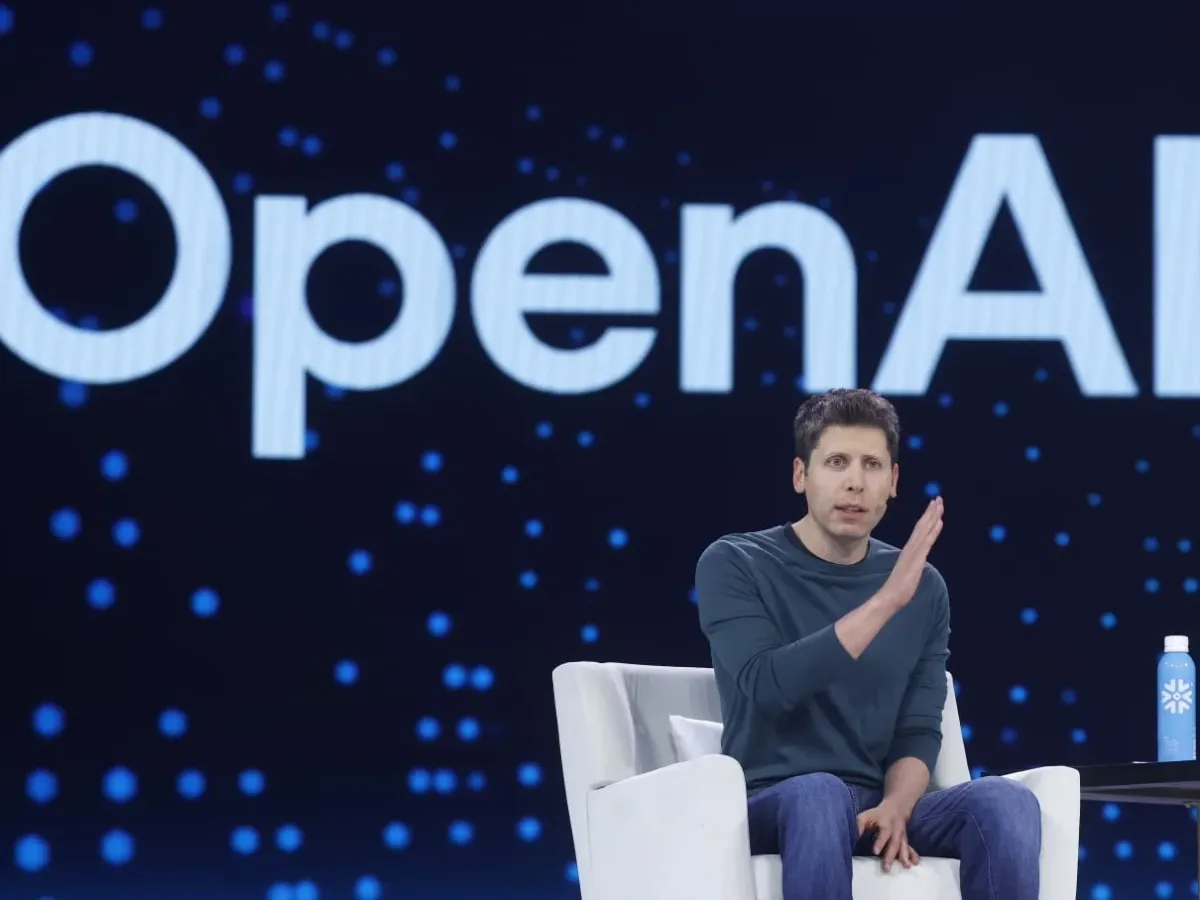
OpenAI, the company behind ChatGPT, is reportedly preparing for a public debut as early as the fourth quarter of 2026. If it happens, the IPO would be one of the most closely watched tech listings in years and a major test of whether investors still believe the artificial intelligence boom can deliver on its enormous promises.
According to reports, OpenAI has already begun informal discussions with Wall Street banks and has hired new finance executives to help prepare for a listing. While the company has not publicly commented, the move signals a sense of urgency inside the AI lab, even as questions grow louder about profitability, competition, and the massive costs of building AI at scale.
At the center of it all is a simple but uncomfortable reality: OpenAI is valued at around $500 billion, yet it does not expect to be profitable until 2030.
Why OpenAI Is Moving Faster Than Expected
A Narrow Window of Investor Optimism
The timing of OpenAI’s potential IPO is no accident. While enthusiasm for AI remains high, some investors are beginning to question whether generative AI can generate enough revenue to justify the trillions of dollars flowing into the sector.
AI tools like ChatGPT are widely used and deeply influential, but turning that popularity into sustainable profits has proven difficult. Running advanced AI models requires massive data centers, expensive chips, and enormous amounts of electricity. As a result, even fast-growing AI companies are burning cash at a historic pace.
By going public sooner rather than later, OpenAI may be trying to capitalize on remaining investor excitement before skepticism hardens.
Beating Anthropic to the Public Markets
Competition is another key factor driving OpenAI’s accelerated timeline. Its main rival, Anthropic, has been gaining traction with enterprise customers and has reportedly told investors it could break even by 2028, two years earlier than OpenAI’s own profitability target.
That faster path to profit could make Anthropic look more attractive to investors in the long run. OpenAI’s strategy may be to reach public markets first, capturing demand from investors eager for a pure AI stock before Anthropic gets the chance.
In a market with very few standalone AI companies, being first can matter a lot.
The Lack of Pure AI Stocks on Wall Street
Why OpenAI Would Be Different
Despite all the hype, investors currently have limited options when it comes to investing directly in AI. Most exposure comes through large tech companies like Microsoft, Alphabet, and Amazon, where AI is just one part of much broader businesses.
Outside of Nvidia and a handful of cloud infrastructure firms, there are very few pure play AI companies listed on public markets. An OpenAI IPO would instantly become the most high-profile AI-focused stock available.
That scarcity could work in OpenAI’s favor, especially among retail investors who want direct exposure to the future of artificial intelligence rather than indirect bets through tech giants.
A Financial Profile That Raises Eyebrows
Huge Valuation, No Profits for Years
While OpenAI’s technology is impressive, its financial profile looks very different from that of a typical IPO candidate. The company does not expect to be profitable until 2030 and is spending aggressively to stay ahead in the AI arms race.
By comparison, many companies go public only after they have a clear path to profitability or at least slowing losses. OpenAI, by contrast, is still ramping up spending at extraordinary levels.
This makes the IPO a bold bet that investors are willing to prioritize long-term dominance over near-term financial discipline.
Trillion-Dollar Infrastructure Commitments
One of the biggest challenges facing OpenAI is the sheer cost of its ambitions. The company has reportedly committed to spending around $1.4 trillion on data centers by 2033 to train and run its AI models.
So far, OpenAI has raised about $64 billion and is in the middle of a massive fundraising push that could extend through much of 2026. Reports suggest it is seeking another $100 billion at a valuation of up to $830 billion.
Importantly, an IPO would likely come on top of this fundraising, not replace it. That means public investors would be stepping into a company that will continue to raise and spend enormous amounts of capital.
How Risky Is This Bet for Investors?
Lessons From Amazon, With Key Differences
Supporters of OpenAI’s strategy often point to Amazon as a historical example. Amazon went public in 1997 and remained unprofitable for years as it focused on growth, infrastructure, and market share.
However, there is a critical difference. Amazon’s losses, while significant at the time, pale in comparison to the billions OpenAI is burning each year.
Some estimates suggest OpenAI could face a funding gap of more than $200 billion by 2030, even if it generates over $200 billion in revenue by that point. That gap highlights just how capital-intensive AI development has become.
What an OpenAI IPO Would Signal About the AI Boom
Success Would Reinforce the Narrative
If OpenAI successfully goes public at a strong valuation despite ongoing losses, it would send a powerful message that investors still believe in the long-term promise of AI.
Such an outcome would likely fuel further investment across the sector, encouraging startups, infrastructure providers, and governments to keep pouring money into AI development.
It would also validate the idea that AI is not just another tech trend, but a foundational technology worth betting on for decades.
Failure Could Mark a Turning Point
On the other hand, if OpenAI’s IPO struggles, gets repriced, or fails to attract strong demand, it could signal a shift in market sentiment.
A disappointing debut would suggest investors are becoming less willing to tolerate massive losses and long timelines, even for the most prominent AI company in the world.
That outcome could cool funding across the AI ecosystem and force companies to focus more sharply on profitability rather than scale at any cost.
Talent Wars and the IPO Factor
Retaining Employees in a Competitive Market
Another reason OpenAI may be pushing toward an IPO is talent retention. AI researchers and engineers are in extremely high demand, and competition for top talent is fierce.
An upcoming IPO can be a powerful incentive for employees to stay, especially if their shares are close to vesting and becoming liquid. Few people want to leave just before a potential financial windfall.
At the same time, the promise of public shares could help OpenAI attract new hires during the pre-IPO period.
The Downsides of Life as a Public Company
Transparency and Pressure From Wall Street
Going public would bring new challenges. OpenAI would be required to disclose far more detail about its finances, spending, risks, and internal operations.
Public shareholders would expect quarterly results and clear progress toward financial goals, which could clash with OpenAI’s long-term mission of building safe and beneficial AI.
Even CEO Sam Altman has previously expressed discomfort with the idea of running a public company, where short-term market reactions can overshadow long-term thinking.
Legal and Regulatory Scrutiny
A public listing would also shine a brighter spotlight on the risks associated with OpenAI’s products. The company is already facing lawsuits and regulatory pressure over concerns about psychological harm and misuse of its chatbot.
As a public company, those risks would need to be disclosed in detail, potentially making investors more cautious.
A High-Stakes Moment for AI
OpenAI’s potential IPO is about far more than one company going public. It represents a referendum on the AI boom itself.
If investors embrace the listing, it will confirm that faith in AI’s future remains strong, even in the face of massive losses and long timelines. If they hesitate, it may mark the moment when hype finally meets financial reality.
Either way, OpenAI’s next move could reshape not just its own future, but the direction of the entire AI industry.