
North Korea Fires 10 Ballistic Missiles During U.S.–South Korea Military Drills, Says Seoul
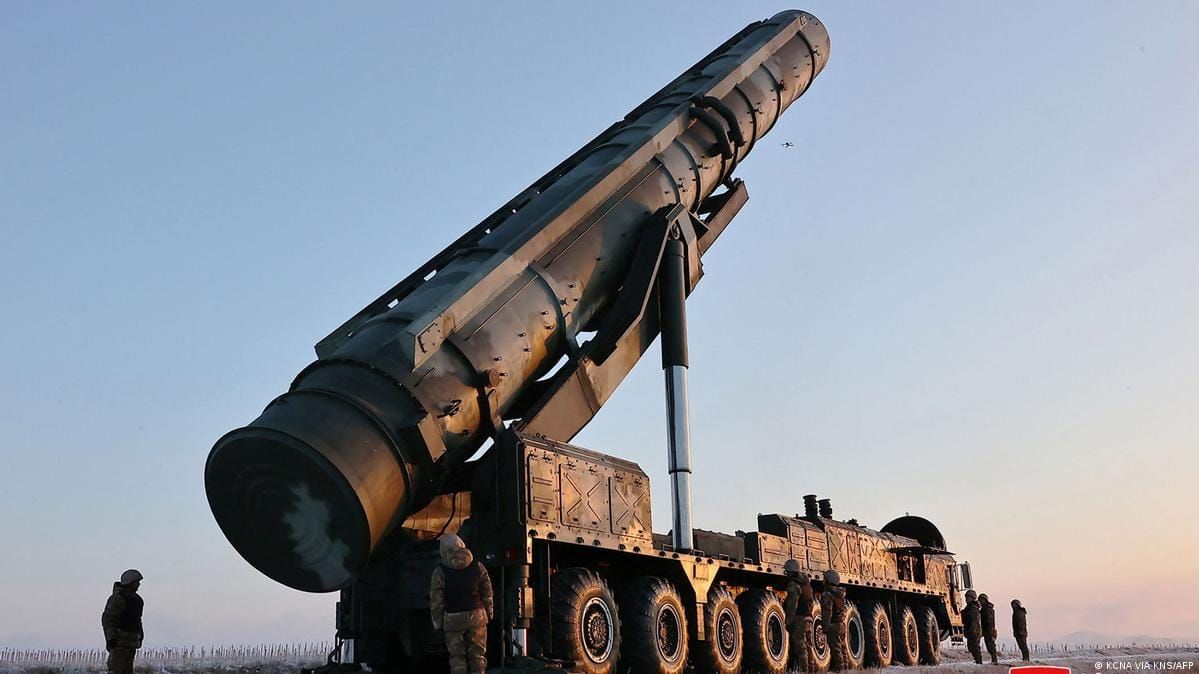
North Korea has fired 10 ballistic missiles during ongoing joint military drills between the United States and South Korea, according to officials in Seoul. The missile launches, which took place amid heightened regional tensions, are being viewed as a direct response from Pyongyang to the large-scale military exercises conducted by Washington and Seoul.
South Korea’s military said the missiles were launched from different locations and traveled varying distances before landing in waters east of the Korean Peninsula. While no damage or casualties have been reported, the launches have once again raised concerns about security and stability in Northeast Asia.
The missile tests occurred while the United States and South Korea were carrying out joint military exercises, which are held periodically to strengthen defense coordination and readiness between the two allies. These drills often involve air, naval, and ground forces and are designed to simulate responses to potential threats from North Korea.
Pyongyang has long criticized such exercises, describing them as hostile actions and rehearsals for invasion. North Korea frequently responds to these drills with missile launches or military demonstrations intended to showcase its weapons capabilities.
According to South Korea’s Joint Chiefs of Staff, the missiles were detected and tracked by regional defense systems. Authorities said the launches appear to be part of North Korea’s continued effort to develop and test its missile technology, including systems capable of carrying nuclear warheads.
Over the past decade, North Korea has significantly expanded its missile program, testing a variety of weapons ranging from short-range ballistic missiles to intercontinental ballistic missiles (ICBMs). These tests have drawn widespread condemnation from the international community and have been subject to sanctions imposed by the United Nations.
Security analysts say the latest missile launches are intended to send a strong political message during the ongoing military drills. By conducting multiple launches in a short period, North Korea demonstrates both its operational capability and its willingness to challenge military cooperation between the United States and South Korea.
The United States has reaffirmed its commitment to the defense of South Korea and Japan following the tests. U.S. defense officials said they are closely monitoring the situation and coordinating with regional allies to maintain stability in the region.
Meanwhile, South Korean authorities have strengthened surveillance and readiness along the peninsula. Defense officials emphasized that while the launches are concerning, the country’s missile defense systems and alliance with the United States remain capable of responding to potential threats.
Experts warn that such cycles of military exercises and missile tests often contribute to escalating tensions on the Korean Peninsula. Diplomatic efforts aimed at reducing tensions have stalled in recent years, leaving the region vulnerable to periodic flare-ups.
Despite the tensions, regional leaders continue to call for dialogue and diplomatic engagement to address North Korea’s nuclear and missile programs. However, with ongoing military activities on both sides, the security situation in Northeast Asia remains fragile.