Netflix in Talks to Buy Warner Bros. and HBO Max: A $75 Billion Game-Changer for Streaming
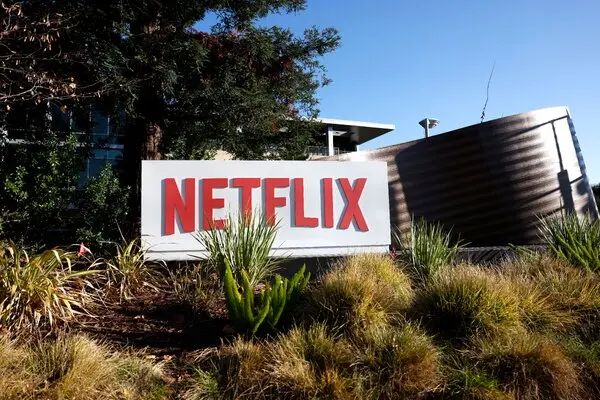
Warner Bros. Discovery (WBD) is reportedly in exclusive talks to sell its film and TV studios, along with the HBO Max streaming service, to Netflix. Sources familiar with the discussions say Netflix could announce a deal soon, offering a $5 billion breakup fee if regulators block the acquisition. The move positions Netflix ahead of rivals Paramount Skydance and Comcast, who were also interested in the assets.
If completed, this deal would merge Netflix, the world’s leading streaming service, with one of Hollywood’s oldest studios—a combination that could reshape the global entertainment landscape.
Netflix Steps Up Its Game
Netflix, which began as a DVD rental company almost 30 years ago, has grown into a $437 billion media giant without owning a traditional studio. The company built its empire by licensing content and producing original shows and movies.
Acquiring Warner Bros. would give Netflix full control over HBO, its library of hit shows, and sprawling studios in Burbank, California. This move marks Netflix’s largest acquisition to date and could give it a significant edge over competitors like Disney, Paramount, and Amazon Prime Video.
Warner Bros. Sale Sparks Competition
Warner Bros., valued at over $60 billion, formally put itself up for sale in October after receiving interest from multiple parties. Comcast and Paramount submitted bids, but Netflix appears to have taken the lead.
The bidding process has not been without controversy. Paramount has alleged that Warner Bros. favored Netflix and accused the company of running an “unfair process.” Paramount argued that its bid might face fewer regulatory hurdles, but Netflix’s $30-per-share offer could value Warner Bros. assets at roughly $75 billion.
Why the Deal Matters
- Content Library: Netflix would instantly acquire Warner Bros.’ vast catalog of films, shows, and the HBO network. This includes franchises and intellectual property that could fuel new content for years.
- Subscriber Base: Combined, Netflix and HBO Max could reach around 450 million subscribers worldwide, raising antitrust scrutiny but also solidifying Netflix’s global dominance.
- Streaming Dominance: With traditional TV revenues declining—Warner Bros. cable networks recently saw a 23% drop—the acquisition aligns with the industry’s shift toward streaming.
Regulatory Hurdles
The deal is expected to face antitrust scrutiny in the US and Europe. Concerns have been raised that merging Netflix with HBO Max could reduce competition and harm consumers.
California Republican Darrell Issa warned regulators that the merger could hurt viewers, while Utah Senator Mike Lee echoed similar concerns. Netflix counters that its main competitor is not traditional TV, but platforms like YouTube, arguing that the deal could even lower subscription costs through content bundling.
Market Impact
Warner Bros. Discovery’s shares rose about 3.7% in premarket trading following the news, while Netflix shares saw a slight dip of 0.6%. Analysts say the deal would dramatically change Hollywood, merging Netflix’s digital-first model with Warner Bros.’ century-old production expertise.
What’s Next
If regulators approve the acquisition, Netflix could officially own Warner Bros. studios and HBO Max, along with their vast content archives. Before the sale, Warner Bros. plans to spin off its cable channels, including CNN, TBS, and TNT.
This acquisition represents Netflix’s most ambitious step yet into traditional Hollywood territory, combining streaming power with classic studio resources—a strategy likely to redefine the future of entertainment.