Moon Before Mars Elon Musk Reveals SpaceX’s Bold Plan For A Self Growing Lunar City
Elon Musk Changes SpaceX Priorities With A New Moon Mission
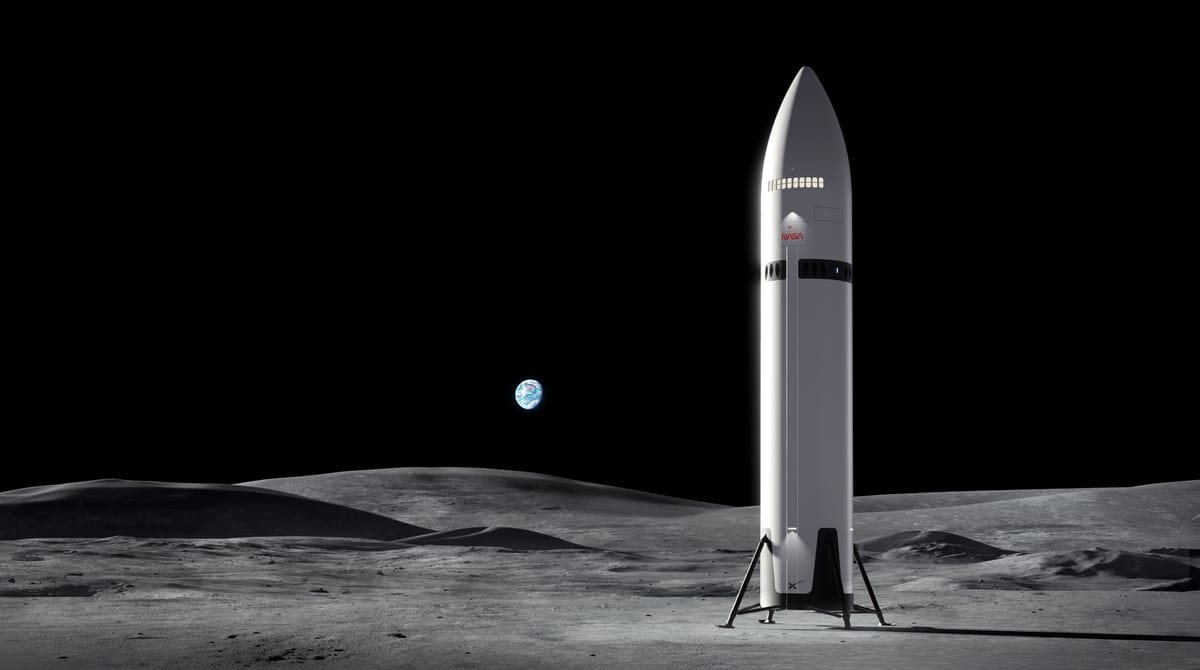
Elon Musk has once again stirred global conversation about space exploration. Known for his bold and often ambitious plans, the SpaceX CEO recently revealed a major shift in focus. Instead of prioritizing a human settlement on Mars right away, SpaceX is now turning its attention to building what Musk calls a “self-growing city” on the Moon.
The announcement surprised many space enthusiasts because Musk has spent years talking about colonizing Mars as humanity’s next big step. But according to him, practical realities and faster progress opportunities make the Moon a smarter starting point for now.
This strategic change could redefine how humans approach life beyond Earth and may accelerate the timeline for permanent off-world settlements.
Why The Moon Is Suddenly The Top Priority
Faster Travel Means Faster Progress
One of Musk’s main reasons for focusing on the Moon is simple logistics. Traveling to Mars is complicated due to planetary alignment. Launch windows only occur roughly every 26 months, and the journey itself takes about six months. That makes testing, learning, and improving technology a slow process.
The Moon, however, is much closer. Trips can take just a couple of days, and launch opportunities are far more frequent. Musk says this allows SpaceX to iterate quickly, test new systems more often, and fix problems faster.
In practical terms, it means that building infrastructure, testing life-support systems, and developing sustainable habitats could happen much more efficiently on the Moon than on Mars.
Lower Risk And Easier Emergency Support
Another advantage is safety. Because the Moon is relatively close to Earth, rescue missions or supply deliveries are far more manageable compared to Mars. If something goes wrong, astronauts aren’t isolated millions of kilometers away.
This proximity makes the Moon an ideal testing ground for technologies that will eventually be needed for deeper space exploration, including Mars missions later on.
The Vision Of A Self Growing Lunar City
What Does Self Growing Actually Mean
Musk described plans for self-growing bases and factories on the Moon. While details are still limited, the idea likely involves automated construction, robotic manufacturing, and resource utilization directly from the lunar environment.
For example, lunar soil could be used to build habitats, roads, or protective structures. Automation would allow expansion without constant human labor, reducing risk and cost.
Such technology could create a sustainable cycle where infrastructure builds itself over time, eventually supporting permanent human residents.
A Stepping Stone To Bigger Goals
The Moon city isn’t meant to replace Mars ambitions completely. Instead, Musk sees it as preparation. By mastering survival and construction on the Moon, SpaceX could develop the skills, tools, and confidence needed for longer and more challenging Mars missions.
It’s essentially a training ground for humanity’s broader space future.
Mars Plans Are Delayed But Not Cancelled
Long Term Vision Still Includes Mars
Despite the new focus on the Moon, Musk insists Mars remains part of SpaceX’s long-term plan. He suggested the company could begin developing a Martian city within five to seven years.
Earlier predictions were more optimistic. Back in 2020, Musk expressed confidence that humans might reach Mars by 2026. But the complexities of space travel, regulatory hurdles, and technological challenges have slowed progress.
This isn’t unusual in the space industry, where timelines often stretch due to safety requirements and engineering difficulties.
Mars Still Holds Unique Appeal
Mars continues to fascinate scientists and visionaries because it offers potential for long-term human habitation. Its day length is similar to Earth’s, and there are signs of water ice beneath its surface.
For Musk, establishing a civilization on Mars isn’t just about exploration. He often frames it as a backup plan for humanity — a way to ensure civilization survives potential global catastrophes.
SpaceX And The Bigger Technology Ecosystem
Integration Of AI And Space Technology
Another interesting development is Musk’s push to integrate artificial intelligence with space exploration. He recently announced moves involving his AI company xAI and broader technology ecosystems tied to SpaceX.
The vision includes combining AI, rockets, satellite internet, and communications technology into one powerful innovation network. Such integration could improve mission planning, automation, communication, and data analysis in space projects.
Communication And Connectivity Beyond Earth
SpaceX’s Starlink satellite network already aims to provide global internet coverage. Extending such technology to the Moon or Mars could enable communication between Earth and future space settlements.
Reliable connectivity will be essential if humans are to live and work beyond Earth for extended periods.
Challenges Ahead For A Lunar City
Technical And Environmental Hurdles
Building a city on the Moon is not easy. Extreme temperatures, radiation exposure, lack of atmosphere, and limited resources all pose major challenges.
Engineers must develop advanced shielding, sustainable life-support systems, and efficient energy solutions. Robotics and automation will likely play a huge role in overcoming these obstacles.
Financial And Regulatory Factors
Space projects require enormous investment. Partnerships with governments, private investors, and international organizations may be necessary to turn Musk’s vision into reality.
Regulations around space activity are also evolving. Legal frameworks will need to address property rights, environmental protection, and international cooperation in space.
How This Shift Could Impact Space Exploration
A New Era Of Incremental Progress
Focusing on the Moon first could lead to faster, more practical progress in human space exploration. It allows testing technologies closer to home before attempting more distant missions.
This approach might attract broader global collaboration and investment, accelerating development across the space sector.
Inspiring Public Interest And Innovation
Big announcements like this capture public imagination. They inspire young scientists, engineers, and entrepreneurs to pursue careers in space and technology.
Innovation sparked by space exploration often benefits everyday life, from communication technology to medical advancements.
What Comes Next
While Musk’s timelines are often ambitious, SpaceX has already achieved milestones once thought impossible, such as reusable rockets and large-scale satellite deployment.
The coming years will likely reveal whether the Moon city plan becomes reality or evolves further. Either way, the shift signals a new phase in humanity’s journey beyond Earth.
Whether it’s the Moon first or Mars later, the ultimate goal remains clear: expanding human presence into space and ensuring long-term survival beyond our home planet.