
Millionaires Are Demanding Higher Taxes—Here’s Why It Matters
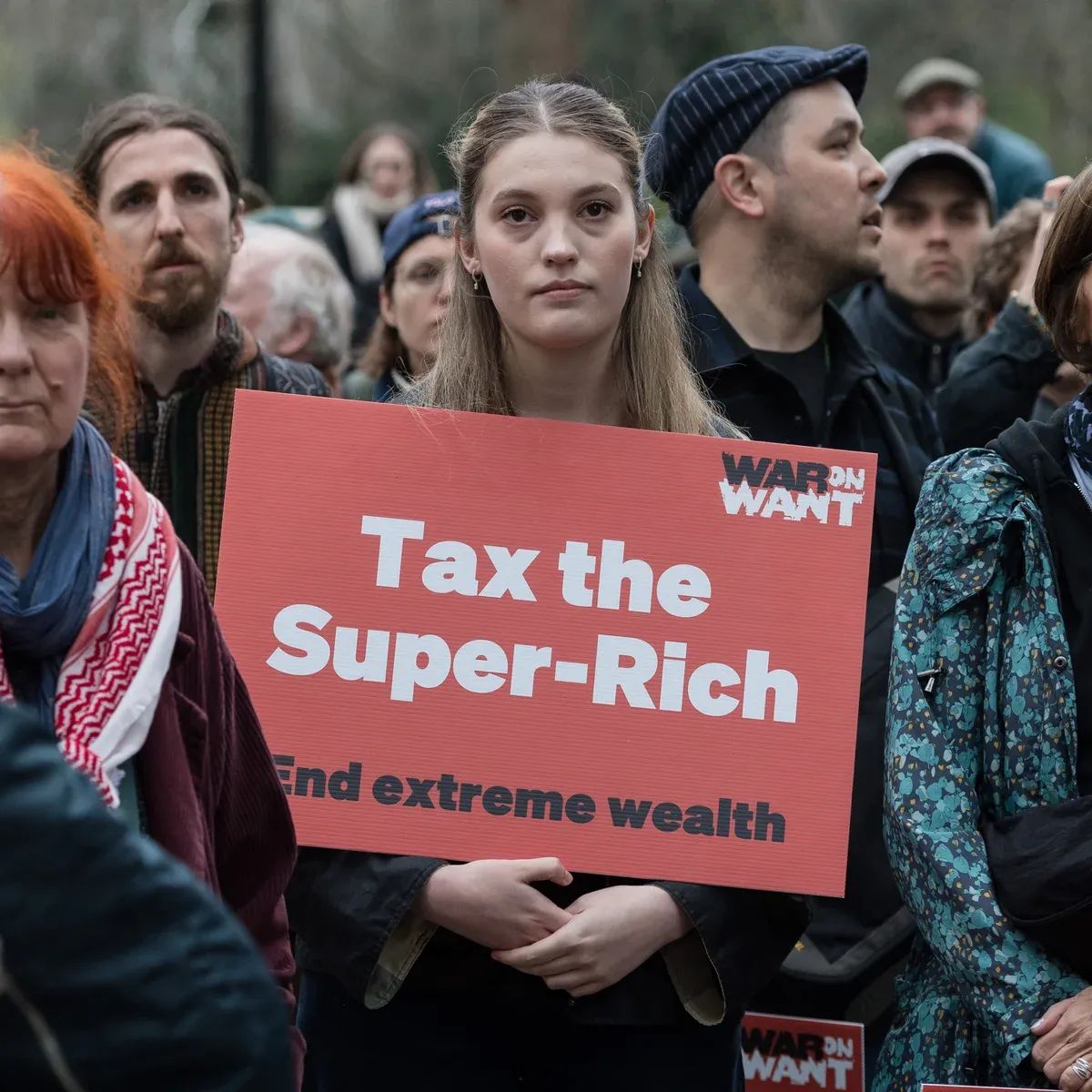
Ultra-Rich Speak Out: Millionaires Demand Higher Taxes to Fight Inequality
As world leaders and top business figures gather in Davos, Switzerland, for the annual World Economic Forum, a group of the ultra-wealthy is sending a clear message: it’s time to tackle extreme wealth inequality. Nearly 400 millionaires and billionaires from 24 countries have signed an open letter calling on governments to impose higher taxes on the super-rich.
The letter, part of a campaign called Time to Win, urges leaders to act decisively to ensure wealth serves society, rather than concentrating power in the hands of a few.
The Call to Action from the Wealthy
The Time to Win campaign was launched by wealth redistribution organizations, including Patriotic Millionaires, Millionaires for Humanity, and Oxfam. Its central message is simple: tax the super-rich to secure a fairer future.
The letter highlights the influence extreme wealth has on global systems, from politics to media and innovation. Signatories argue that concentrated wealth allows individuals to shape democracies, influence elections, and dictate policies, often at the expense of ordinary citizens. Surveys support this concern, showing that 77% of millionaires in G20 nations believe extremely wealthy people use their wealth to sway political decisions, and 71% think they can significantly affect election outcomes.
High-Profile Signatories
The open letter has attracted attention because of its notable signatories. Among them are Hollywood actor Mark Ruffalo, Disney heirs Abby and Tim Disney, and real estate developer Jeffrey Gural. These individuals are using their platforms to amplify the message that unchecked wealth can harm society, and that redistribution through taxation is a step toward a more equitable future.
The campaign urges elected leaders—from local council members to global policymakers at Davos—to take action immediately. It frames wealth taxation as both a moral and economic necessity to prevent further concentration of power.
A Cultural Shift in How the Ultra-Wealthy View Wealth
Beyond formal campaigns, public criticism from the wealthy has become more common. Celebrities and billionaires have publicly questioned peers who hoard extreme fortunes.
For example, musician Billie Eilish addressed billionaires directly at the WSJ Magazine Innovator Awards, challenging them to give back to society. Even the most philanthropic billionaires recognize that voluntary efforts often fall short. Programs like The Giving Pledge, led by Warren Buffett, Bill Gates, and Melinda French Gates, encourage billionaires to donate at least half of their wealth during their lifetimes or through wills. However, critics argue that too few participants follow through meaningfully.
Buffett himself has acknowledged that philanthropic plans often face obstacles, noting that wealth transfers can be mishandled due to political agendas, dynastic interests, or mismanagement by inexperienced philanthropists.
Rising Billionaire and Millionaire Wealth
While public debate grows over fairness, the number of millionaires and billionaires continues to rise rapidly, highlighting the stark divide in wealth distribution.
In 2024, the United States alone added 379,000 new millionaires, averaging more than 1,000 per day. Globally, the total number of millionaires increased from 13.27 million in 2000 to 52 million by the end of 2024. These figures underscore how wealth creation has accelerated over the past two decades.
However, despite this growth in numbers, wealth remains heavily concentrated. By 2024, America’s top 20% of households, with an average net worth of $4.3 million, held 71% of the country’s total wealth. In stark contrast, the bottom 50% of households, averaging just $60,000 in wealth, owned only 2.5%. For most Americans, reaching the millionaire or billionaire ranks remains extremely difficult.
Wealth Inequality and Its Impacts
The concentration of wealth at the top has far-reaching consequences. Economists and social scientists warn that extreme inequality can slow economic growth, limit social mobility, and even undermine democratic institutions.
Ultra-wealthy individuals can influence legislation, media coverage, and market trends, shaping society to protect their assets. Meanwhile, ordinary citizens face stagnant wages, rising living costs, and limited access to opportunities. The gap between rich and poor is not only widening in financial terms but also in political and social influence.
Why Taxation is Seen as a Solution
The Time to Win campaign emphasizes that progressive taxation is a practical tool to restore balance. By taxing extreme wealth, governments can generate revenue to improve infrastructure, healthcare, education, and social safety nets.
The signatories argue that taxation of the super-rich would also restore faith in the system, showing that wealth comes with social responsibility. This approach aligns with broader global debates about wealth redistribution, corporate social responsibility, and the role of elites in shaping the future.
Celebrity and Public Influence
Celebrity voices like Mark Ruffalo and Billie Eilish amplify the message that wealth should benefit society, not just the individual. The combination of public advocacy and direct action from wealthy insiders creates a unique dynamic, putting pressure on policymakers to act.
This cultural moment reflects a growing awareness among the ultra-rich themselves. Increasingly, some members of the elite acknowledge that hoarding wealth is not sustainable for society, and that shared responsibility can help address long-term systemic problems.
Global Wealth Trends
The accumulation of wealth among millionaires and billionaires is a global phenomenon. According to UBS, the total wealth of U.S. millionaires reached $107 trillion by the end of 2024, a fourfold increase since 2000.
Despite these gains, the benefits are disproportionately distributed. The ultra-wealthy continue to consolidate wealth, while the majority of households see only minimal improvements in their economic situations. This imbalance fuels social tensions and drives initiatives like the Time to Win campaign.
Wealth Concentration in America
The wealth gap in the United States highlights the urgency of reform:
- Top 20% of households hold 71% of total wealth.
- Bottom 50% of households control only 2.5%.
- Average net worth: $4.3 million for top earners vs. $60,000 for the bottom half.
For the majority, the dream of financial security, let alone joining the millionaire class, is increasingly out of reach. These disparities are prompting calls for policies that ensure wealth serves broader societal goals.
The Role of Philanthropy
While philanthropy offers one way to redistribute wealth, voluntary measures often fall short. The Giving Pledge, one of the most well-known billionaire-driven initiatives, has attracted over 250 signatories, but critics argue that actual contributions lag behind promises.
Even those committed to philanthropy admit that systemic challenges—such as mismanagement, political influence, and personal preferences—limit the impact of wealth donations. This reinforces the argument for mandatory taxation rather than relying solely on voluntary charity.
Social and Economic Implications
Rising wealth inequality affects more than just individual finances—it shapes political power, societal norms, and access to opportunity. Extreme wealth concentration can lead to:
- Increased political influence for a small elite.
- Reduced investment in public infrastructure and services.
- Stifled innovation as resources are hoarded rather than circulated.
- Growing social unrest due to visible disparities between rich and poor.
Addressing these issues requires both cultural shifts and structural reforms, including progressive tax policies and stronger social safety nets.
A Call for Action
The Time to Win campaign represents a rare moment where the ultra-rich are advocating for themselves to be taxed. By signing the open letter and speaking out, nearly 400 millionaires and billionaires are challenging their peers to share wealth more equitably.
The campaign also highlights a broader societal trend: growing awareness of wealth concentration and its effects on democracy, opportunity, and economic stability. While voluntary philanthropy has helped to some extent, these efforts alone cannot address systemic inequality.
As the world watches Davos in 2026, the message is clear: extreme wealth must come with responsibility, and taxation is one of the most effective tools to achieve a fairer society. The growing chorus of wealthy voices demanding change signals that wealth inequality is no longer a silent problem—it’s a global priority.