
Mexico Slaps Up to 50% Tariffs on China and Other Countries: Trade Shake-Up Ahead
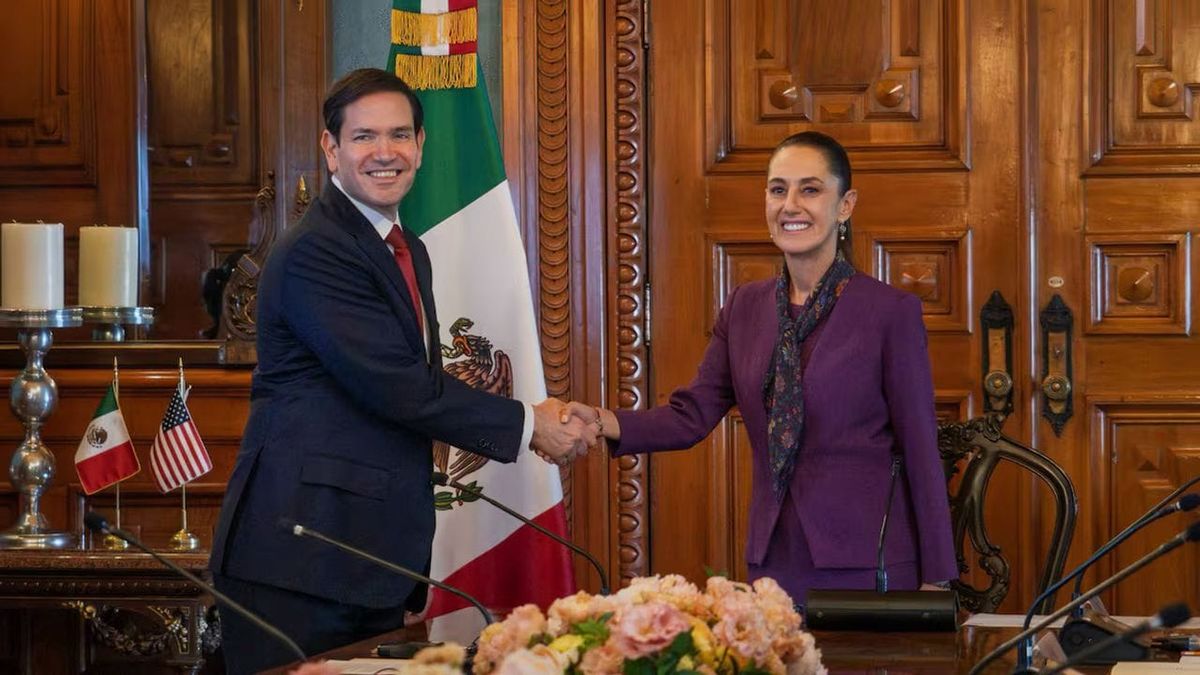
Mexico Approves Steep Tariffs on Imports, Including Chinese Goods
Mexican lawmakers have approved a major package of tariffs, affecting over 1,400 products imported from countries that do not have free trade agreements with Mexico. The tariffs, which can go up to 50%, will target products such as metals, cars, clothing, and home appliances.
President Claudia Sheinbaum said the move is aimed at boosting domestic production and supporting local industries, signaling a shift toward self-reliance in Mexico’s trade policy.
Which Countries Will Be Affected?
The new tariffs will impact numerous countries, including:
- China – one of Mexico’s largest trading partners
- Thailand
- India
- Indonesia
Countries without free trade agreements with Mexico will bear the brunt of these tariffs, while products from nations with agreements may see exemptions.
A spokesperson for China’s commerce ministry expressed concern, saying the levies will “substantially harm the interests of trading partners, including China”, and urged Mexico to reconsider the decision.
Why Mexico Is Introducing These Tariffs
President Sheinbaum’s government claims the tariffs are necessary to:
- Encourage local manufacturing
- Reduce reliance on foreign imports
- Strengthen Mexico’s domestic industries
The timing of the tariffs also coincides with ongoing negotiations with the US. President Donald Trump has threatened to impose heavy import taxes on Mexico, including up to 50% duties on steel and aluminium, if certain agreements are not met.
Trump’s Trade Threats and US-Mexico Tensions
Tensions between Mexico and the US have been rising due to trade and treaty disputes. Recent actions include:
- Trump threatened a 5% tariff on Mexico over alleged violations of an 80-year-old water treaty granting US farmers access to Rio Grande tributaries.
- The US accuses Mexico of not controlling the flow of synthetic opioids, including fentanyl.
- Threats of extra tariffs on various products from Mexico to pressure the country to comply with US demands.
The US remains Mexico’s largest trading partner, making these tariffs a delicate balancing act for Mexico.
China’s Growing Influence in Mexico
China has been steadily expanding its footprint in Mexico over recent years. Chinese car brands like BYD and MG have established manufacturing and sales operations in the country.
Some analysts warn that Beijing might be using Mexico to bypass US tariffs, increasing the complexity of trade relations in North America. In response, Mexico’s tariffs could be viewed as an attempt to assert its economic independence while managing pressure from both the US and China.
Implications for Global Trade
The new tariffs could reshape Mexico’s import landscape:
- Domestic industries may benefit as foreign products become more expensive.
- Exporters from China, India, Thailand, and Indonesia may face higher costs and reduced competitiveness in Mexico.
- US-Mexico relations could be further strained if Washington perceives these tariffs as retaliation.
Economists suggest that these measures, while protective of local businesses, could also raise prices for Mexican consumers and disrupt supply chains, particularly in sectors dependent on foreign imports.
Next Steps for Mexico
The tariffs will officially come into effect on January 1, 2026. In parallel, Mexico continues to negotiate with the Trump administration to mitigate potential US tariffs and maintain smooth trade relations.
China has indicated it will deepen its trade and innovation ties with Latin America and the Caribbean, suggesting that these tensions could spark further diplomatic and economic negotiations in the region.
Mexico’s decision to impose up to 50% tariffs is a bold move aimed at protecting domestic industries and asserting economic independence. However, it comes amid rising tensions with the US and concerns from major trading partners like China, India, Thailand, and Indonesia. How this will impact Mexico’s economy and its position in global trade remains to be seen.