
Meta’s $77 Billion Metaverse Bet Was a Disaster, Economist Warns as AI Costs Soar
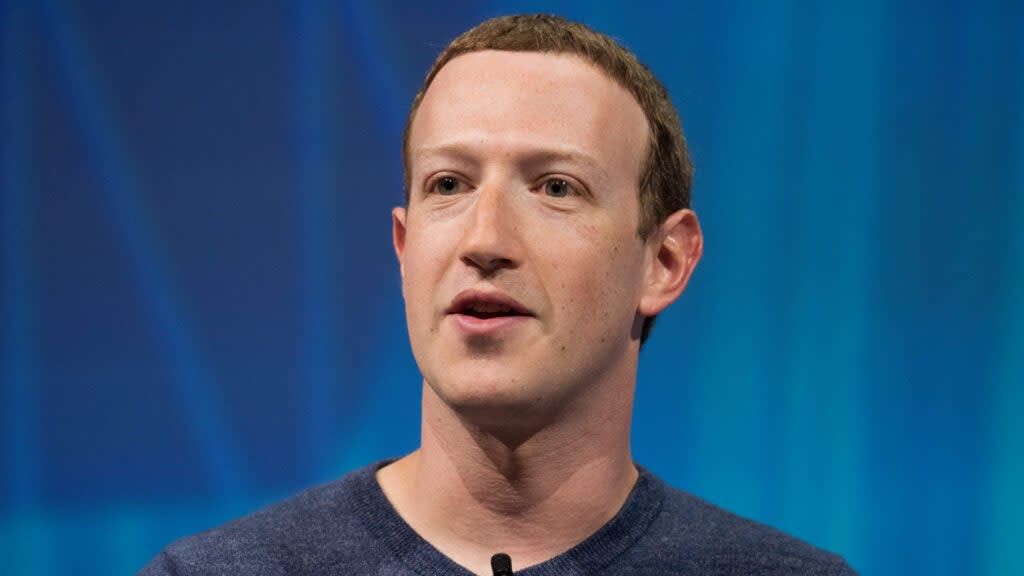
Economist Slams Mark Zuckerberg’s $77 Billion Metaverse Gamble
Meta CEO Mark Zuckerberg is once again under fire for his bold spending decisions. This time, the criticism comes from economist Dean Baker, who argues that Meta’s massive investment in the Metaverse was not just a corporate misstep, but a costly failure with serious consequences for the broader economy.
In a sharply worded newsletter, Baker questioned whether Zuckerberg effectively “threw $77 billion into the toilet” with the Metaverse project. While failed investments are common in business, Baker believes the sheer scale of Meta’s spending makes this case different and far more damaging.
Why the Metaverse Bet Was More Than a Bad Business Call
Not Just Meta’s Loss, but Society’s Too
According to Baker, Meta’s Metaverse push goes beyond a simple case of shareholder money being lost. He argues that when a company as large as Meta misallocates resources on this scale, the cost is ultimately shared by society.
“When companies make stupid investment decisions, it is not just a loss on their books, but also a cost to society,” Baker wrote.
His argument centers on opportunity cost. The billions spent on the Metaverse tied up valuable resources that could have been used more productively elsewhere in the economy.
Talent and Resources Locked In for Years
Baker pointed out that thousands of highly skilled software engineers, planners, designers, and support staff spent years working on Meta’s virtual reality ambitions. During that time, those workers were unavailable to contribute to other potentially more valuable projects.
Beyond labor, the Metaverse effort consumed massive physical resources. Office buildings, advanced computing equipment, and enormous amounts of electricity were all devoted to a project that has yet to deliver meaningful returns.
What Else Could $77 Billion Have Been Used For?
Missed Opportunities in Housing and Infrastructure
Baker highlighted how even the physical materials used during Meta’s expansion could have served more urgent needs. In the expensive Bay Area, for example, he suggested those resources might have supported the construction of affordable housing.
Instead, much of that capital was poured into virtual worlds that have failed to attract widespread adoption. From Baker’s perspective, this represents a misalignment between corporate ambition and real-world needs.
A Broader Economic Impact
Large tech firms shape labor markets and investment trends. When a company like Meta commits billions to a single vision, it influences where talent flows and what problems are prioritized.
Baker argues that Meta’s Metaverse obsession diverted attention from pressing economic and social challenges, amplifying its negative impact beyond the company itself.
The Metaverse Results Speak for Themselves
Reality Labs Losses Continue to Mount
Meta’s Reality Labs division, which oversees Metaverse development, has accumulated roughly $70 billion in losses since 2021. Despite years of investment, the Metaverse has failed to gain mainstream traction.
User adoption remains limited, and many of Meta’s virtual reality products are still struggling to justify their cost. For critics like Baker, these numbers confirm that the Metaverse was a deeply flawed bet.
Meta Quietly Pulls Back
Earlier this month, Meta announced it would cut its Metaverse budget for 2026 by as much as 30%. Analysts estimate that the Metaverse still accounts for roughly half of Reality Labs’ spending, but the pullback suggests Meta is slowly acknowledging the project’s limitations.
For Baker, the scale-back raises an important question: has Zuckerberg learned from this experience?
Now AI Takes Center Stage at Meta
Billions More on the Line
As Meta reduces Metaverse spending, it is ramping up investment in artificial intelligence. The company’s AI budget is expected to approach $100 billion by 2026, according to Meta CFO Susan Li.
That figure has raised eyebrows across the tech and finance worlds. Baker sees clear parallels between the Metaverse gamble and the current AI spending surge.
Is History Repeating Itself?
Baker warned that AI, while promising, could become another example of unchecked enthusiasm leading to massive misallocation of resources. Like the Metaverse, AI investments are consuming elite engineering talent and vast amounts of computing power.
The difference, Baker notes, is that AI is already reshaping the economy in visible ways. That makes the stakes even higher if investments fail to deliver long-term value.
AI’s Growing Strain on Energy and Climate Goals
Power Grids Under Pressure
One of Baker’s key concerns is the environmental cost of large-scale AI development. Training advanced AI models requires enormous amounts of electricity, placing additional strain on power grids.
As tech companies race to build data centers, energy demand is surging at a time when many governments are trying to reduce emissions and transition to cleaner power sources.
Climate Challenges Add to the Risk
Baker warned that the AI boom could complicate climate goals if energy infrastructure cannot keep pace sustainably. If AI investments prove inefficient or excessive, the environmental costs could outweigh the benefits.
In that context, Baker believes Meta’s leadership must be far more cautious than it was during the Metaverse era.
Has Zuckerberg Become a Better Steward of Capital?
The Central Question
At the heart of Baker’s critique is a simple question: has Mark Zuckerberg learned from the Metaverse failure?
Running one of the world’s most influential tech companies requires disciplined decision-making, especially when investments reach tens of billions of dollars. Baker suggests that Meta’s AI strategy will be the real test of Zuckerberg’s leadership.
“We are likely to learn the answer in 2026,” Baker wrote, pointing to the scale of Meta’s upcoming AI investments.
Shareholders and the Public Are Watching
Meta’s shareholders may tolerate bold bets, but repeated miscalculations could erode confidence. At the same time, the broader public has an interest in how major tech firms deploy resources that shape labor markets, energy use, and innovation.
Baker’s criticism reflects growing unease about whether tech leaders are prioritizing long-term value over hype-driven spending.
Market Reaction and Investor Sentiment
Meta Stock Holds Steady
Despite the criticism, Meta’s stock has remained relatively stable. Shares dipped slightly, closing at $658.69, down less than 1% on the day. In the short term, investors appear confident in Meta’s overall business performance.
According to market rankings, Meta scores well on quality but less favorably on value, suggesting that while the company is strong operationally, its stock price already reflects high expectations.
AI Optimism vs. Skepticism
Many investors remain optimistic about AI’s potential to drive future growth. However, Baker’s comments add to a growing chorus of voices urging caution.
The concern is not that AI lacks value, but that excessive spending without clear returns could repeat the mistakes of the Metaverse.
Meta’s Silence and Ongoing Scrutiny
Meta has not yet responded publicly to Baker’s comments. As scrutiny around its spending grows, pressure is mounting for the company to clearly explain how its AI investments will generate sustainable returns.
Without transparency, critics argue, it becomes harder to distinguish between visionary leadership and costly overreach.
What This Means for Big Tech Going Forward
A Warning Beyond Meta
Baker’s critique extends beyond Mark Zuckerberg and Meta. It serves as a broader warning about how Silicon Valley approaches innovation.
When hype cycles drive investment decisions, even the most powerful companies can lose sight of economic efficiency and social impact.
The Need for Smarter Capital Allocation
As AI becomes the next defining technology, economists like Baker argue that discipline will matter more than ever. Careful planning, realistic expectations, and accountability could determine whether AI becomes a genuine breakthrough or another expensive disappointment.
Final Thoughts
Dean Baker’s blunt assessment of Meta’s $77 billion Metaverse investment raises uncomfortable but important questions. Was it simply a bold experiment that failed, or a massive misuse of resources with lasting consequences?
As Meta shifts its focus to artificial intelligence, the stakes are even higher. Whether Mark Zuckerberg has learned from the Metaverse era will become clearer in the coming years. For now, Baker’s warning serves as a reminder that not every big idea is worth a big check.