
Meet Tilly Norwood: The AI ‘Actress’ Stirring a Hollywood Uproar — Unions Say It’s Built on Stolen Talent
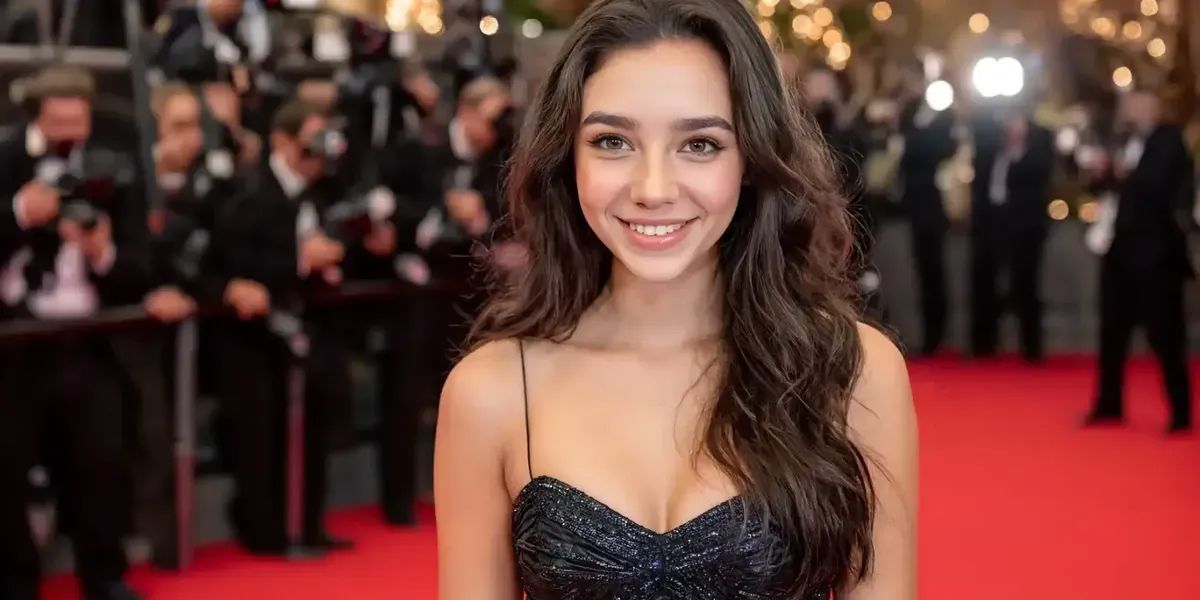
A new name just entered the entertainment world — and it’s not a rising star from London or LA, but a computer-generated creation named Tilly Norwood. Billed as the “world’s first AI actress,” she’s already being treated like a real performer, with talent agencies reportedly interested in signing her.
But her debut has set off alarm bells across the industry. Actors, unions, and fans alike are asking the same questions: Is this the future of film? And at what cost?
Who (Or What) Is Tilly Norwood?
Tilly Norwood was created by Eline Van der Velden, founder of an AI-focused production company called Particle6. She was introduced at the Zurich Film Festival along with Van der Velden’s new venture — Xicoia, a studio aimed at developing synthetic digital performers using artificial intelligence.
Tilly is hyper-realistic, expressive, and designed to look and sound like a human actress. According to her creator, she’s not meant to replace actors, but to serve as a new kind of storytelling tool.
But not everyone’s buying it.
“Not a Performer — Just a Tool,” Says U.K. Acting Union Equity
The U.K.’s leading acting union, Equity, quickly pushed back against the idea of calling Tilly an “actress.” In a blunt statement, Equity made their stance clear:
“Tilly is not an actress. She is an AI tool.”
The union's concern isn't just about titles. It's about where the data came from to build Tilly. Union reps say AI models like hers are often trained on performances by real actors — potentially without permission, credit, or compensation.
And that, they argue, is a direct threat to the livelihoods of professional performers.
A “Craft Without a Soul”?
Equity’s general secretary, Paul Fleming, added that AI creations like Tilly are “fundamentally disconnected” from the art of acting.
Acting isn’t just about delivering lines — it’s about emotional depth, human connection, and lived experience. That’s something no algorithm can fully replicate.
The union also warned that AI models often use huge amounts of publicly available data, making it hard to trace exactly whose work was used — or misused — in the process. They’re now exploring ways to use data privacy laws, like GDPR, to demand transparency from companies behind these digital characters.
SAG-AFTRA Joins the Fight
Across the Atlantic, SAG-AFTRA, the major U.S. actors’ union, also spoke out strongly against Tilly’s debut.
Their message: AI cannot and should not replace human performers.
They emphasized that if an AI model is trained on thousands of real performances — many of them created by union members — without approval or payment, it amounts to performance theft. And that theft isn’t just unethical — it threatens the entire creative ecosystem.
A Growing List of Celebrity Critics
Tilly Norwood’s emergence has triggered strong reactions from many big names in Hollywood.
Actors like Emily Blunt, Whoopi Goldberg, Toni Collette, Melissa Barrera, and Natasha Lyonne have all voiced serious concern.
Some have called the project “disturbing,” while others urged fellow actors to drop any agency that represents AI performers. The overwhelming sentiment is that the creative industry should protect — not replace — the people who bring stories to life.
Tilly’s Creator Responds: “AI Is Just a New Paintbrush”
Van der Velden has defended her creation, arguing that AI is simply a new medium — like animation, puppetry, or CGI.
“Creating Tilly has been, for me, an act of imagination and craftsmanship,” she said. “Not unlike drawing a character, writing a role, or shaping a performance.”
She insists that Tilly was not built to replace actors, but to expand the tools available to filmmakers. According to her, this technology opens doors for new types of stories — not a way to cut corners or erase artists.
Still, her statement has done little to ease the concerns of actors’ unions or working performers.
The Real Concern: Where Did Tilly Come From?
This isn’t just a debate about whether AI should act.
It’s about how AI models like Tilly are created.
- Were real actors’ voices, faces, or performances used to train the model?
- Was their work used with consent?
- Will those performers be compensated?
These are the unanswered questions unions want answers to. And until creators provide full transparency, skepticism will only grow.
What Happens Next?
Stronger Union Contracts
Unions are already working on stronger protections in contracts. Going forward, many film and TV agreements may include strict rules on how AI can be used — especially regarding training data, voice replication, and digital likenesses.
Legal and Privacy Battles
Laws like GDPR may be leveraged to force AI developers to disclose what data was used to train their systems. If actor performances were used without consent, legal action could follow.
Industry Division
Some agencies may embrace synthetic performers. Others may draw a line in the sand. This could split the industry — especially if AI “actors” become cheaper and faster to work with than humans.
Why This Moment Matters
The arrival of AI characters like Tilly Norwood is more than a tech novelty. It’s a major turning point for the entertainment industry.
At its heart, this isn’t a story about innovation vs. tradition. It’s a story about value.
Do we value the human experience behind the performance — or are we willing to let machines take center stage if it’s faster or cheaper?
As Equity put it:
“Technological advancements must not come at the expense of those who bring art to life.”
And that’s a message more relevant than ever.