
Massive 7.5 Quake Rocks Northern Japan as Nighttime Chaos Forces Thousands to Flee
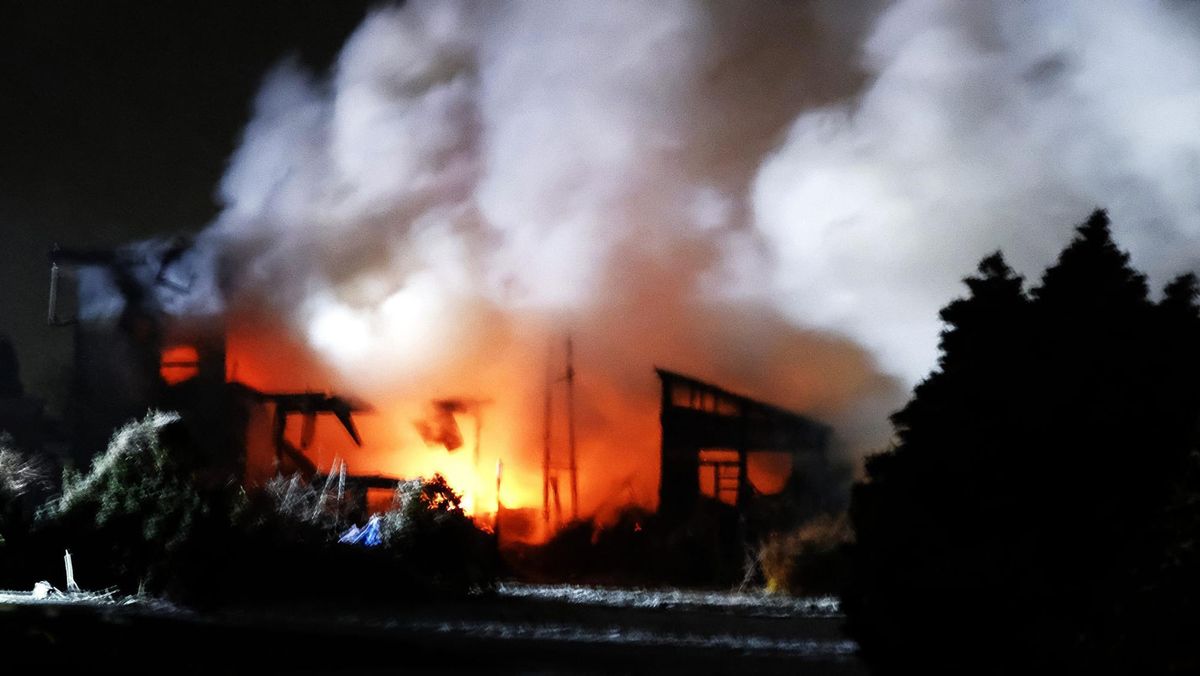
A Powerful Nighttime Earthquake Shakes Northern Japan
A strong magnitude 7.5 earthquake struck northeastern Japan late Monday night, injuring at least 30 people and pushing thousands of families out of their homes. The quake hit at 23:15 local time, catching many residents off guard as they prepared for bed or were already asleep.
According to the Japan Meteorological Agency, the epicenter was located about 80 kilometers off the coast of Aomori at a depth of 50 kilometers. Though tsunami warnings were lifted later, waves nearly a meter high were recorded, reminding many of the country’s painful history with coastal disasters.
Evacuations and Power Outages Spread Across the Region
In the moments after the shaking stopped, evacuation orders quickly rolled out. Around 90,000 people were asked to leave their homes and move to safer ground.
Aomori’s local government reported that about 2,700 homes lost power as electrical lines toppled and systems automatically shut down. Residents described the eerie quiet that followed, interrupted only by sirens, evacuation announcements, and neighbors calling out to check on each other.
Train services along the northeastern coast were also halted by East Japan Railway as crews inspected tracks and tunnels for damage. For many communities, transportation disruptions added yet another layer of stress as families tried to reunite or reach evacuation centers.
Japan on Alert for More Strong Tremors
Authorities warned that aftershocks could continue for days, with a risk of even stronger tremors. Local media urged people to stay prepared and remain cautious for at least a week.
Prime Minister Sanae Takaichi addressed the nation, reminding residents to check their homes for hazards like unsecured furniture and to evacuate immediately if they feel new shaking.
Her tone reflected the sobering reality: in Japan, preparedness isn’t optional. It’s a way of life.
Emergency Teams Mobilize as Government Responds
Within minutes of the quake, the Japanese government activated its crisis management center. Chief cabinet secretary Minoru Kihara said that assessment teams and emergency responders were already working to inspect damage, aid injured residents, and coordinate rescue efforts.
“We are making every effort to assess the damage and implement emergency disaster response measures,” he said.
Early reports suggested the damage was widespread but not catastrophic, thanks largely to Japan’s strict building standards and disaster readiness.
Nuclear Plants Report No Irregularities
One of the first concerns after any major quake in Japan is the status of its nuclear power plants. Tohoku Electric Power reported no issues at its Higashidori and Onagawa facilities. Authorities also confirmed that the already-disabled Fukushima plant showed no signs of new damage.
These assurances brought some relief, especially given Japan’s tragic memory of the 2011 disaster, when a massive 9.0 quake and tsunami triggered a nuclear meltdown and killed more than 18,000 people.
A Country That Lives With Constant Risk
Japan experiences around 1,500 earthquakes every year because it sits on the Ring of Fire, one of the most active seismic zones on Earth. As a result, residents grow up learning evacuation drills, emergency protocols, and safety habits.
Yet even with that level of awareness, a strong quake like this one still hits hard. Homes shake violently, furniture crashes to the floor, and old memories resurface. For many in Aomori, the fear was real.
Growing Concerns About the Next Megaquake
Earlier this year, Japan’s earthquake investigation panel warned that there is a 60 to 90 percent chance of a massive quake striking the Nankai Trough within the next 30 years.
This area, stretching along Japan’s Pacific coast, is capable of producing devastating earthquakes that could cause trillions in damage and potentially take hundreds of thousands of lives.
Past Nankai Trough quakes have been responsible for major disasters, making this latest quake a stark reminder of just how fragile safety can be.
A Long Recovery Ahead for Thousands
As emergency teams continue to survey damaged buildings, rebuild power lines, and support displaced families, Japan faces the familiar but difficult process of putting lives back together.
Some residents will be able to return home quickly. Others may spend days or weeks in evacuation centers. And for those who watched their homes crack, shake, or catch fire, the emotional recovery may be even longer.
But as always, the resilience of Japanese communities shines through. Neighbors check on neighbors, volunteers pour into community centers, and the nation rallies around those who need support.
For now, the focus is on safety, aftershocks, and ensuring that every person who was caught in the chaos of Monday night receives the help they need.