
Mark Cuban Says America’s Healthcare System Is Broken and the $38 Trillion Debt Proves It
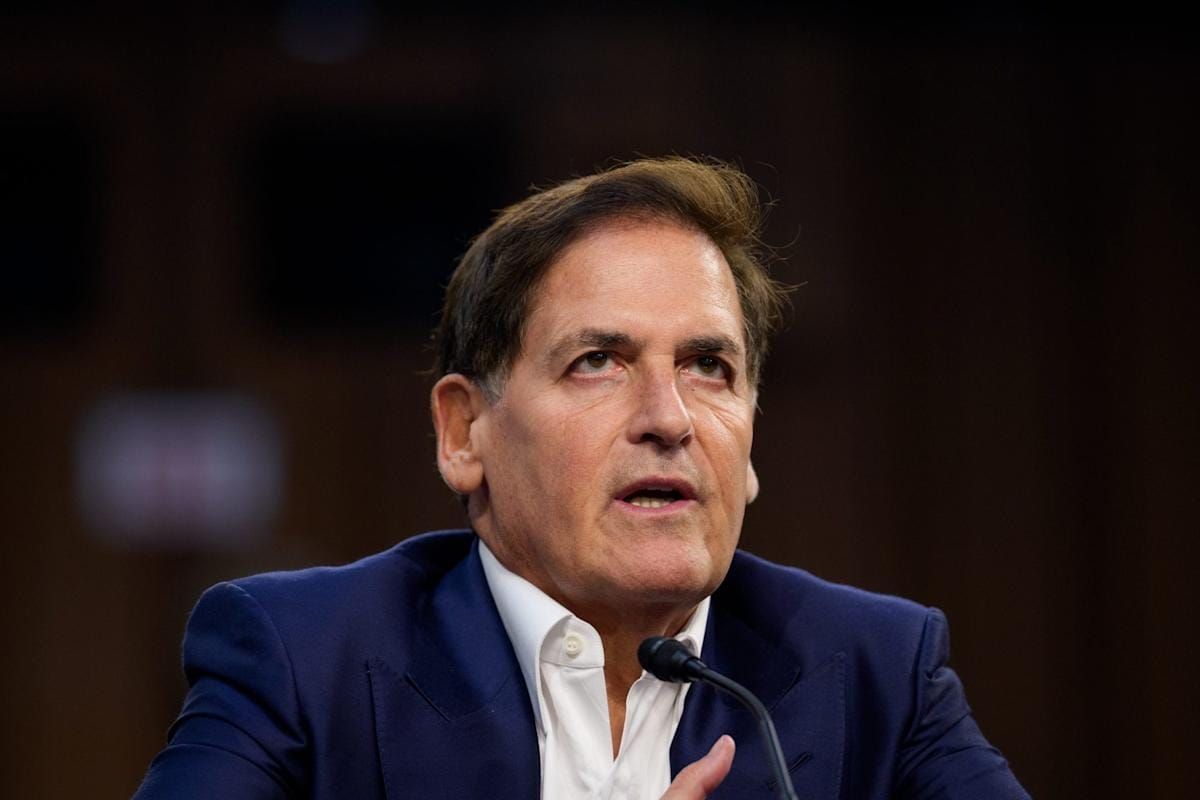
Mark Cuban’s Frustration With America’s Broken System
Mark Cuban is no stranger to big problems or bold opinions. But this time, the billionaire investor is pointing to something he believes sits at the heart of two major crises facing the United States: the $38 trillion national debt and the deeply flawed healthcare system.
In a blunt post shared on Christmas Eve, Cuban criticized how health insurance companies and providers operate. His core argument was simple. Healthcare pricing in the U.S. is confusing, opaque, and filled with middlemen who profit from complexity rather than care. And when inefficiency becomes the norm, costs explode, for families and for the government.
Cuban believes Americans tolerate a healthcare system they would never accept in any other part of their lives.
The $38 Trillion Debt That Keeps Growing
A Debt Problem Moving at Alarming Speed
America’s national debt crossed $38 trillion in late 2025, growing by roughly $1 trillion in just over two months. That pace is far faster than what the country has experienced for most of the last 25 years.
Interest payments alone now cost around $1 trillion every year. Over the next decade, that figure could balloon to $14 trillion, money that pays lenders instead of improving lives, fixing infrastructure, or lowering taxes.
Cuban is clear-eyed about the scale of the problem. Even fixing billions of dollars in healthcare waste would not magically erase the debt. But he insists healthcare inefficiency is one of the biggest areas where the country is bleeding money for no good reason.
What Mark Cuban Thinks Is Wrong With Healthcare
Fear, Confusion, and Middlemen
According to Cuban, insurers and providers take advantage of fear and information gaps. Most patients do not know what treatments really cost, what insurers are billed, or why prices change wildly from one person to another.
He argues that this imbalance allows companies to over-bill, deny care, and push patients into financial stress without accountability. Cuban has floated ideas like fines for insurers who wrongly deny claims or inflate bills, but his deeper message is about breaking up systems that thrive on secrecy.
In his view, healthcare markets would work better if prices were visible and competition was real.
How Cost Plus Drugs Tries to Fix the Problem
A Transparent Pricing Model
Cuban’s online pharmacy, Cost Plus Drugs, was launched in early 2022 with a straightforward idea. Sell medications at the manufacturer’s cost, add a flat 15% markup, include a small pharmacy fee, and show customers exactly how the final price is calculated.
There are no hidden rebates, no surprise charges, and no behind-the-scenes negotiations that patients never see.
For many generic medications, this approach has slashed prices from thousands of dollars per month to double-digit amounts. This has been especially helpful for uninsured patients or those with high deductibles who often pay the highest prices.
Cutting Out the Middlemen
Cost Plus Drugs operates as a direct-to-consumer business. It bypasses pharmacy benefit managers, or PBMs, which normally negotiate drug prices on behalf of insurance companies.
PBMs have long been criticized for driving up prices while claiming to save money. Cuban argues they add layers of cost and confusion without delivering real value to patients.
By negotiating directly with manufacturers and publishing acquisition costs, Cost Plus Drugs removes much of the mystery surrounding drug pricing.
Why PBMs Are Under Scrutiny
Billions in Markups
Regulators and policymakers have increasingly questioned the role of PBMs in the healthcare system. Investigations have found that some PBMs marked up drugs by billions of dollars above what they paid to acquire them.
While even large overcharges would barely dent a $38 trillion debt, Cuban believes the true scale of abuse is far larger than what has been publicly documented so far.
He argues that inefficiency and inflated pricing ripple outward. Higher drug costs raise insurance premiums, increase government healthcare spending, and ultimately add pressure to the federal budget.
The Potato Chips Comparison That Says It All
Why Cuban Says the System Makes No Sense
To explain how broken the system is, Cuban uses a simple analogy. Imagine if a grocery store had to buy potato chips at full retail price, sell them at full retail, and then wait months to receive a rebate that might or might not cover the cost.
That, he says, is essentially how pharmacy pricing works today.
Patients often pay the full list price for brand-name medications while meeting deductibles, even though insurers later receive discounted rates behind the scenes. Cuban believes switching to net pricing would allow patients to pay the real price upfront, saving tens of billions of dollars every year.
Healthcare Costs and the Political Moment
Why Voters Are Paying Attention
Healthcare affordability has become one of the most important political issues in the country. As insurance subsidies expired at the end of 2025, many Americans saw their premiums jump. Some chose to go uninsured altogether.
Polls consistently show that cost of living is voters’ top concern, with healthcare costs ranking just behind or even above housing and jobs in some surveys.
Heading into the 2026 midterm elections, affordability is shaping political debates. Cuban’s criticism taps into growing frustration among voters who feel trapped by a system they do not understand and cannot control.
Is Healthcare Reform Enough to Fix the Debt?
Experts Urge Caution
Economists and policy experts agree with Cuban on one point. The healthcare system is inefficient and costly. Prescription drug reform and billing transparency could deliver real savings to families.
But they caution against viewing healthcare reform as a cure-all for the national debt. The debt is driven by long-term structural deficits, rising interest costs, demographic changes, and political gridlock over taxes and spending.
Even so, Cuban’s pharmacy model is often cited as proof that transparency works. It shows that when prices are clear and competition is real, costs can fall dramatically.
A Call for Simplicity and Accountability
Mark Cuban’s message is not that healthcare reform alone will save America’s finances. His argument is more fundamental. A system that relies on confusion, fear, and hidden pricing is destined to fail patients and taxpayers alike.
By treating healthcare like any other market, where prices are visible and middlemen are held accountable, Cuban believes the country could take a meaningful step toward lower costs and better outcomes.
In his view, if Americans would never accept buying potato chips this way, they should not accept paying for healthcare this way either.