Jeff Bezos Warns: Your Next PC Might Live in the Cloud Thanks to AI and RAM Shortages
AI and the RAM Crisis Are Shaking Up PCs
The computing world is at a turning point. While chips like Intel’s Core Ultra Series 3 are boosting local laptop performance, a global RAM shortage is making PCs, gaming consoles, and even phones pricier than ever.
Why the sudden crunch? The AI boom. Memory manufacturers are prioritizing AI data centers over consumer devices. Micron, one of the world’s largest DRAM makers, warns that shortages could persist for years, pushing up prices for everything from RAM modules to SSDs. Even some Nvidia RTX 50-series GPUs may become scarce.
Consumer Tech vs AI Demand
The trend is clear: AI workloads are eating up memory. Services like ChatGPT, Gemini, and Copilot may run in the cloud, but their demand indirectly affects local PC hardware. Analysts warn that laptops could see major price hikes as soon as this year, with predictions pointing to normalization only around 2028.
Intel estimates that there is currently 9 to 12 months of laptop stock before RAM shortages start driving up costs. In the meantime, consumers are watching the market nervously, knowing that PCs will likely become a premium purchase.
Jeff Bezos Predicts a Cloud Future
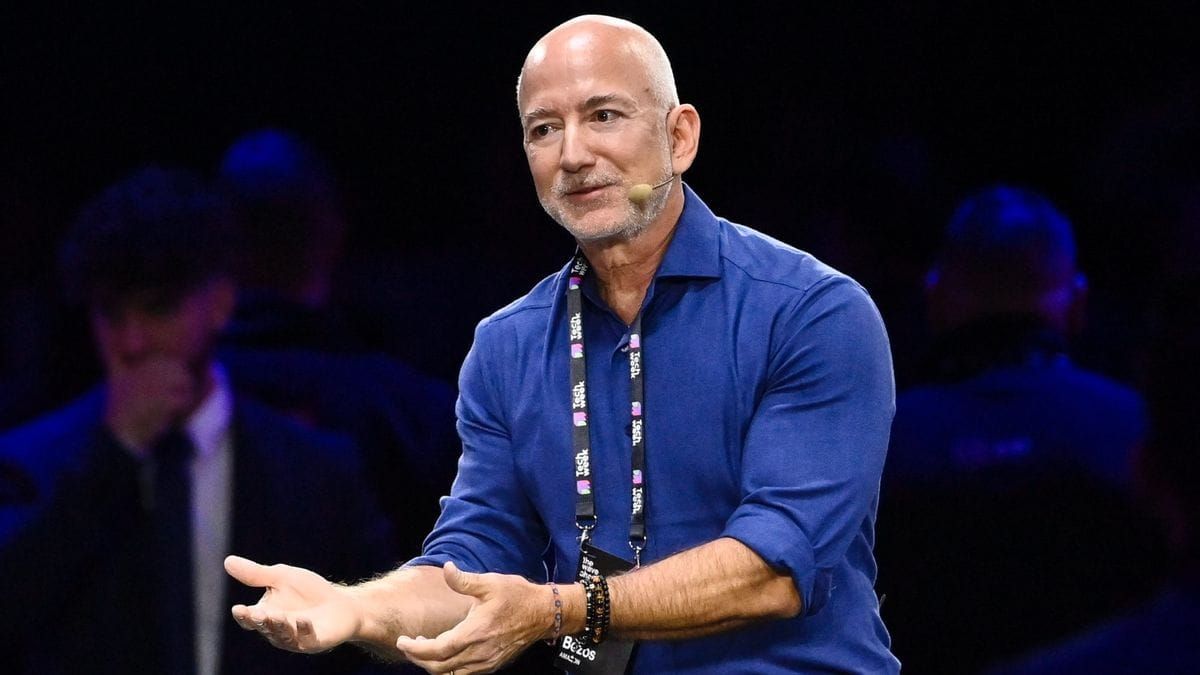
Amazon founder Jeff Bezos recently made a striking comparison: computing today is like electricity in the early 1900s. At that time, every hotel or brewery built its own generator. Bezos said:
“That’s what computation is like today; everyone has their own data center. That’s not going to last. It makes no sense. You’re going to buy compute off the grid. That’s AWS.”
In other words, instead of buying expensive PCs packed with RAM, we might rent computing power from the cloud, just like we buy electricity today.
Cloud Computing Already Changing Habits
This trend isn’t hypothetical. Cloud gaming platforms like Xbox Game Pass Ultimate, Nvidia GeForce Now, and Amazon Luna already let users access high-end hardware remotely. GeForce Now, for example, offers RTX 5080-level gaming performance without the need for an expensive PC.
Even outside gaming, cloud services have reshaped consumption: streaming services like Netflix replaced physical DVDs, and cloud-based apps are slowly replacing local software.
RAMageddon and PC Prices
The combination of AI-driven RAM demand and supply shortages is creating what some call RAMageddon. The effect on consumers is clear:
- PCs will become increasingly expensive
- High-performance laptops may become luxury items
- Subscription-based cloud computing could become a viable alternative
This mirrors Bezos’ vision: peripherals like keyboards, mice, and monitors will remain, but the heavy lifting—AI computations and high-end processing—will come from rented cloud infrastructure.
Will the AI Bubble Burst First?
While AI demand drives this tech crunch, the AI industry itself faces questions. Sam Altman, CEO of ChatGPT, has warned of an AI bubble, while Nvidia’s Jensen Huang pushes back on “doomer narratives.”
Even if the hype moderates, the demand for memory-intensive AI operations will keep hardware expensive for the foreseeable future. Bezos’ cloud-based vision may not happen tomorrow, but it shows where computing could be heading: a future where physical PCs are optional, and subscription-based cloud access is the norm.
What Consumers Should Do
For anyone planning to upgrade their PC, timing is crucial:
- Buy now before RAM prices spike
- Consider cloud gaming or cloud-based AI solutions as alternatives
- Expect high-performance PCs to remain expensive at least until the memory crisis eases
In short, your next PC might not even live on your desk—it could be a screen connected to the cloud, with the processing happening miles away.