Is Ali Larijani alive? Iran top official's X post fuels new speculations amid Israel's death claim
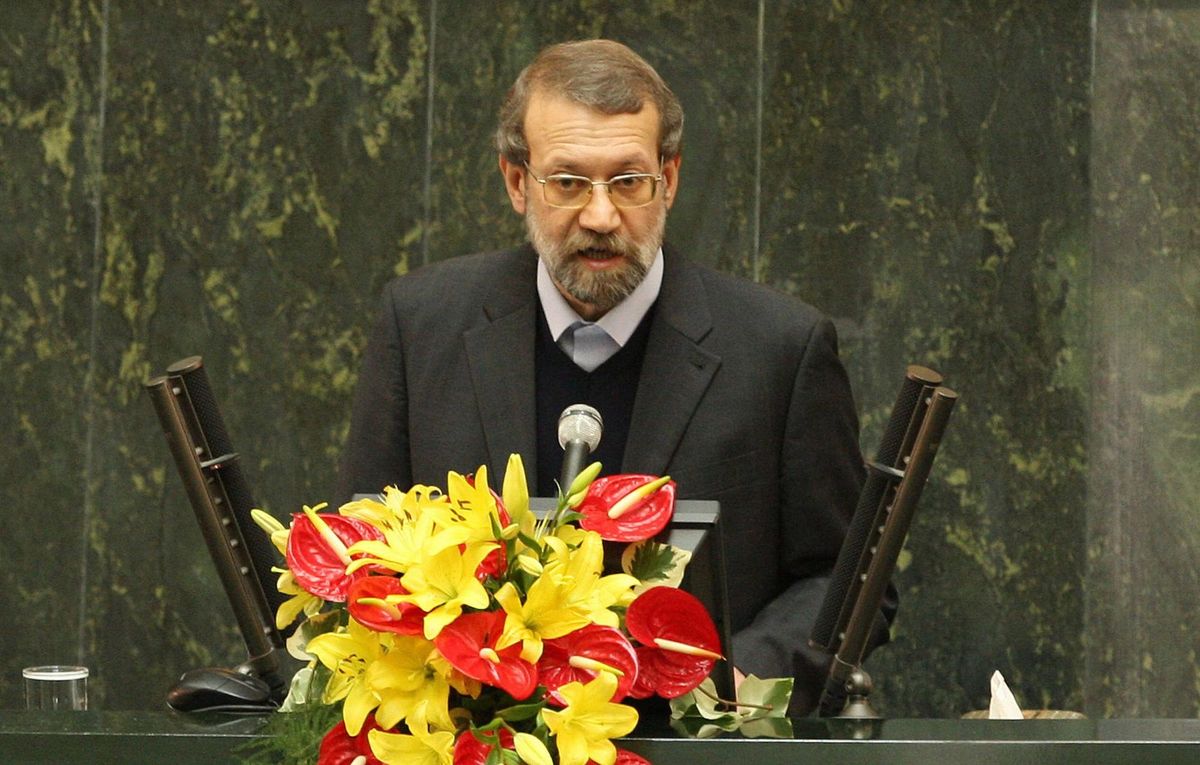
The fate of Iranian leader Ali Larijani remains uncertain, as conflicting reports and a mysterious social media post have fueled intense global speculation. The controversy began after Israel claimed it had killed Larijani—one of Iran’s most powerful political figures—in a targeted airstrike. However, the absence of official confirmation from Iran, coupled with activity on his X (formerly Twitter) account, has cast doubt on those claims.
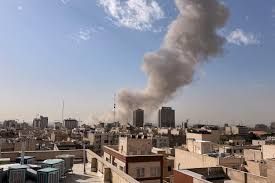
According to multiple international reports, Israel’s defence establishment announced that Larijani, who currently serves as secretary of Iran’s Supreme National Security Council, was killed during overnight strikes in Tehran. The operation was described as part of a broader strategy to dismantle Iran’s leadership amid the ongoing war in the region.
Yet, within hours of these claims, uncertainty emerged. Reuters and other outlets reported that Larijani’s fate remains unconfirmed, with Israeli officials themselves acknowledging that it is unclear whether he was killed or merely targeted.
Adding to the confusion, a post surfaced on Larijani’s official X account after the alleged strike. The post included a handwritten tribute to Iranian sailors নিহত in recent attacks, suggesting that he might still be alive—or at least that his communication channels remain active.
This has led to two competing narratives. On one side, Israeli authorities maintain that the strike successfully eliminated a key Iranian decision-maker. On the other, Iranian authorities have not confirmed his death, and the social media activity has raised the possibility that the reports could be premature or part of information warfare.
The situation is further complicated by the broader context of the ongoing Iran-Israel conflict. The war, which escalated sharply in late February 2026, has already seen high-profile assassinations and conflicting claims from both sides. In such an environment, misinformation, delayed confirmations, and psychological operations are common.
Larijani is not just any official—he is widely regarded as one of the most influential figures in Iran’s power structure. A former parliamentary speaker and nuclear negotiator, he has played a central role in shaping Iran’s domestic and foreign policy. In recent months, especially after the reported death of Supreme Leader Ali Khamenei, Larijani was seen by some analysts as a de facto leader guiding Iran’s wartime strategy.
Because of his importance, any confirmation of his death would represent a major geopolitical development. Conversely, if he is alive, the incident highlights how quickly unverified claims can spread during high-stakes conflicts.
As of now, the most accurate assessment is this: there is no confirmed proof that Ali Larijani is dead. Israel claims he was killed, but Iran has not verified this, and recent online activity attributed to him suggests the situation remains unresolved.
Until official confirmation emerges from Iranian authorities or credible independent sources, Larijani’s status remains in the realm of uncertainty—caught between military claims, digital signals, and the fog of war.