Iran Sets Up Inquiry Team After Deadly Protests That Killed Over 3,000
The government of Iran has announced the formation of a special inquiry team to investigate the nationwide protests that turned deadly, resulting in the deaths of more than 3,000 people, according to official figures. The decision comes amid mounting domestic pressure and international scrutiny over the government’s handling of one of the most violent periods of unrest in the country’s recent history.
The protests erupted in late December 2025 and intensified through January 2026, initially driven by economic distress, including soaring inflation, unemployment, fuel price hikes, and the sharp devaluation of Iran’s currency. What began as demonstrations over living costs quickly evolved into broader anti-government protests, with demonstrators calling for political reforms, accountability, and expanded civil freedoms.
Widespread Violence and Heavy Crackdown
As protests spread across major cities such as Tehran, Mashhad, Isfahan, and Shiraz, Iranian security forces launched a sweeping crackdown. Authorities deployed riot police, Revolutionary Guards units, and plainclothes security personnel to suppress demonstrations. Human rights groups reported the use of live ammunition, mass arrests, and internet shutdowns, severely limiting the flow of information from affected areas.
Iranian officials have acknowledged that over 3,000 people were killed, a figure that includes civilians, security personnel, and individuals the state has labeled as “armed agitators.” However, independent activists and international organisations argue that the true death toll could be significantly higher, alleging widespread under-reporting and restricted access to hospitals, morgues, and protest sites.
Scope of the Inquiry
According to government statements, the newly formed inquiry commission will collect reports from state institutions, security agencies, and provincial authorities. The panel is expected to review documentation related to protest-related deaths, property damage, and the causes behind the unrest. Officials have said the findings will be presented to senior leadership once the investigation is complete, though no clear timeline has been announced.
Critics remain skeptical about the inquiry’s independence, noting that it is being conducted internally rather than by an external or international body. Opposition voices and rights groups are demanding that the probe also examine security force conduct, not just the origins of the protests.
International and Domestic Reactions
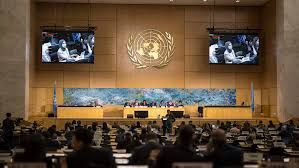
The deadly crackdown has drawn condemnation from human rights organisations and foreign governments, with renewed calls for accountability and transparency. The United Nations has urged Iran to cooperate with international mechanisms investigating alleged abuses during the unrest.
At home, families of victims continue to seek justice, holding private memorials despite warnings from authorities. Many Iranians view the inquiry as a crucial test of whether the state is willing to confront the scale of the violence or merely contain political fallout.
As Iran moves forward with the investigation, the outcome could shape both domestic stability and the country’s standing on the global stage—at a time when public trust remains deeply strained.