India Lodges Strong Protest with US Over Attacks on Indian-Crewed Ships, Envoy Summoned Again
India has lodged a strong diplomatic protest with the United States following a series of attacks on commercial vessels carrying Indian crew members in the Gulf region. The Ministry of External Affairs (MEA) summoned the US envoy for a second time in recent days, expressing deep concern over the safety of Indian sailors operating in one of the world's busiest maritime corridors.
The diplomatic move comes after the deaths of three Indian seafarers aboard a commercial tanker that was reportedly struck during military operations near the coast of Oman. The incident has heightened tensions and sparked calls from New Delhi for greater protection of civilian maritime personnel and commercial shipping routes.
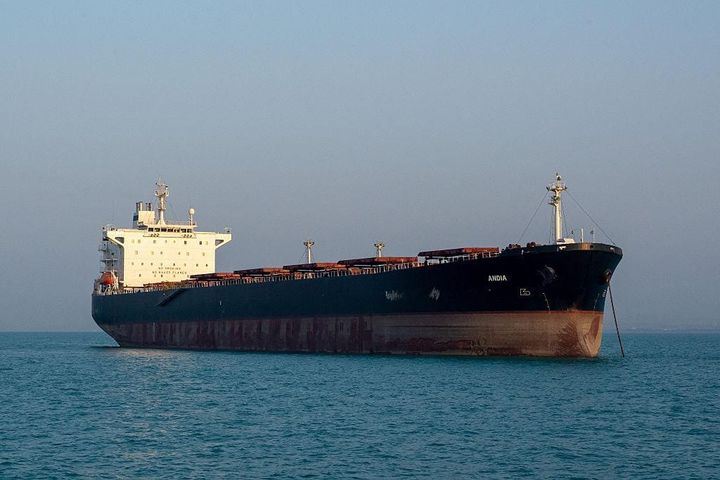
According to Indian officials, the vessel involved in the attack carried a significant number of Indian crew members. While most of the crew were rescued, three Indian sailors lost their lives, triggering widespread concern among maritime authorities, shipping companies, and the families of seafarers working in the Gulf region.
During the meeting with the US envoy, Indian officials reportedly conveyed their dissatisfaction over repeated incidents involving Indian-crewed vessels. The government emphasized that merchant ships engaged in legitimate commercial activities should not become casualties of military conflicts or geopolitical disputes. New Delhi also sought detailed explanations regarding the circumstances that led to the attack.
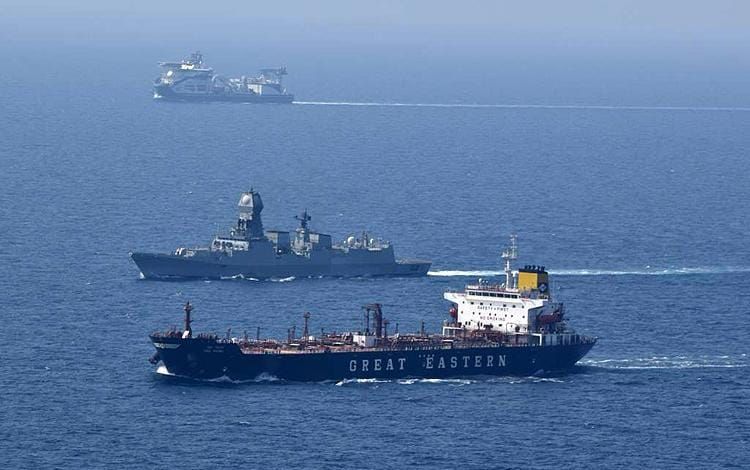
The Gulf of Oman and the nearby Strait of Hormuz remain strategically vital waterways through which a substantial portion of global oil and trade shipments pass every day. Rising tensions in the region have increased risks for commercial shipping, prompting several countries to review maritime security measures and advisories for vessels operating in these waters.
India's Ministry of Shipping and maritime agencies have already issued alerts to Indian shipping operators and vessel owners. Authorities are coordinating with international partners, naval forces, and diplomatic missions to monitor developments and enhance safety measures for Indian nationals working aboard merchant ships.
The deaths of the three sailors have generated significant public attention in India. Political leaders, maritime organizations, and labor groups have urged the government to ensure accountability and seek stronger international safeguards for civilian seafarers. Many have pointed out that Indian nationals form one of the largest groups of maritime workers globally and are frequently employed on vessels operating in sensitive regions.
The United States has acknowledged India's concerns and indicated that it is reviewing the circumstances surrounding the incident. Diplomatic channels between the two countries remain active as discussions continue regarding maritime security, regional stability, and the protection of civilian crews.
Security experts note that escalating geopolitical tensions in the Middle East have increased operational risks for commercial shipping. They warn that attacks on merchant vessels can disrupt global supply chains, impact energy markets, and threaten the livelihoods of thousands of seafarers working in international waters.
As investigations continue, India has reiterated its demand for enhanced protections for merchant shipping and civilian crews. The government has also pledged support to the families of the deceased sailors while maintaining close contact with international authorities involved in the inquiry.
The incident has once again highlighted the dangers faced by commercial seafarers operating in conflict-prone regions and the growing need for international cooperation to ensure the safety of global maritime trade routes.