
How This Swiss City Became a Bitcoin Paradise: Pay for Coffee, Groceries, and More
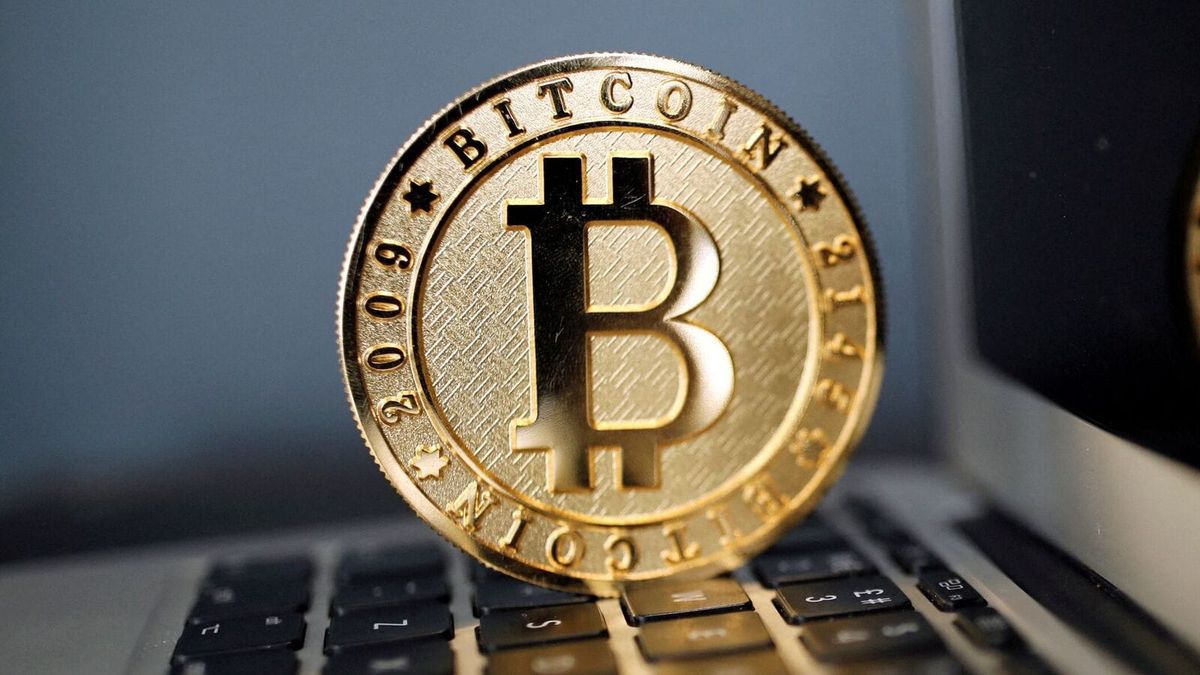
Lugano: The Swiss City Where Bitcoin Is Real Money
In the heart of the Swiss city of Lugano, a McDonald’s by a serene lake surrounded by mountains offers a glimpse into the future of money. A customer orders coffee and asks, “Can I pay with bitcoin?”
Instead of a regular card terminal, the cashier uses a special crypto payment machine, provided for free by the city council to local businesses. The transaction is completed in seconds via the customer’s bitcoin wallet on a mobile phone, costing roughly $8.80.
While most people view bitcoin primarily as an investment, in Lugano, it’s increasingly becoming a real currency.
How Bitcoin Works in Lugano
Around 350 shops and restaurants in Lugano now accept bitcoin. Even municipal services, like pre-school childcare, can be paid for using cryptocurrency.
One enthusiastic user, Nicolas from France, says the main appeal of bitcoin is freedom from traditional financial systems. “You are no longer dependent on middlemen or their costs,” he explains.
Local retailers, like Cherubino Fry at Vintage Nassa, a shop selling bags and watches, have adopted bitcoin because it reduces transaction fees. Credit cards can charge up to 3.4%, whereas bitcoin costs usually stay below 1%. Fry admits bitcoin sales are occasional for now, but he expects them to grow steadily over the next decade.
The Plan B Initiative: Making Lugano a Bitcoin Hub
Lugano has launched Plan B, a project in collaboration with cryptocurrency platform Tether. Its goal is to educate people about crypto and transform Lugano into a European hub for bitcoin.
Mir Liponi, director of Plan B, shared her own experiment: for 11 days, she lived using only bitcoin due to a banking issue. While she couldn’t pay for fuel or some energy bills, she managed groceries, deliveries, and medical expenses. Her experience shows that bitcoin can cover most day-to-day needs in the city.
Liponi hopes to develop “circular economies” in Lugano, where residents can earn, spend, and save entirely in bitcoin.
Bitcoin Around the World: Successes and Failures
Lugano isn’t the first city to try this. In 2021, El Salvador made bitcoin legal tender alongside the US dollar. Despite giving citizens $30 in bitcoin to encourage use, most people exchanged it for dollars instead of spending it.
Other examples show more success:
- Ljubljana, Slovenia – named the world’s most crypto-friendly city in April 2025
- Hong Kong and Zurich – have growing crypto adoption
Skepticism and Risks of Bitcoin
Not everyone in Lugano is convinced. Some locals remain cautious, associating cryptocurrency with crime, speculation, and financial risk.
Economist Sergio Rossi warns about bitcoin’s volatility, advising merchants to convert bitcoin immediately into Swiss francs or euros to avoid losses. He also highlights the risks of digital wallets: if a platform fails or goes bankrupt, users could lose their cryptocurrency instantly. In contrast, bank deposits in Switzerland are guaranteed up to 100,000 Swiss francs.
There are also concerns about reputation. Cryptocurrencies are sometimes linked to illegal activities, which could affect the city’s financial institutions.
Bitcoin and Crime: Mayor’s Perspective
Lugano’s mayor, Michele Foletti, dismisses fears of the city attracting mafia money. He explains that criminal enterprises prefer physical cash for anonymity, not bitcoin. He believes bitcoin is overall positive for the city, noting that 110 crypto-sector companies have moved to or started in Lugano.
The Future of Bitcoin in Lugano
Lugano’s experiment shows that a city can function mostly on cryptocurrency, from restaurants to municipal services. While there are challenges—like energy bills and transportation—the city is paving the way for a crypto-friendly urban economy.
For businesses, residents, and tourists, bitcoin in Lugano represents freedom, convenience, and a glimpse into the future of money.