Hollywood Sounds Alarm: Netflix’s $82.7 Billion Warner Bros. Takeover Sparks Industry Backlash
Hollywood Pushback on Netflix-Warner Bros. Takeover
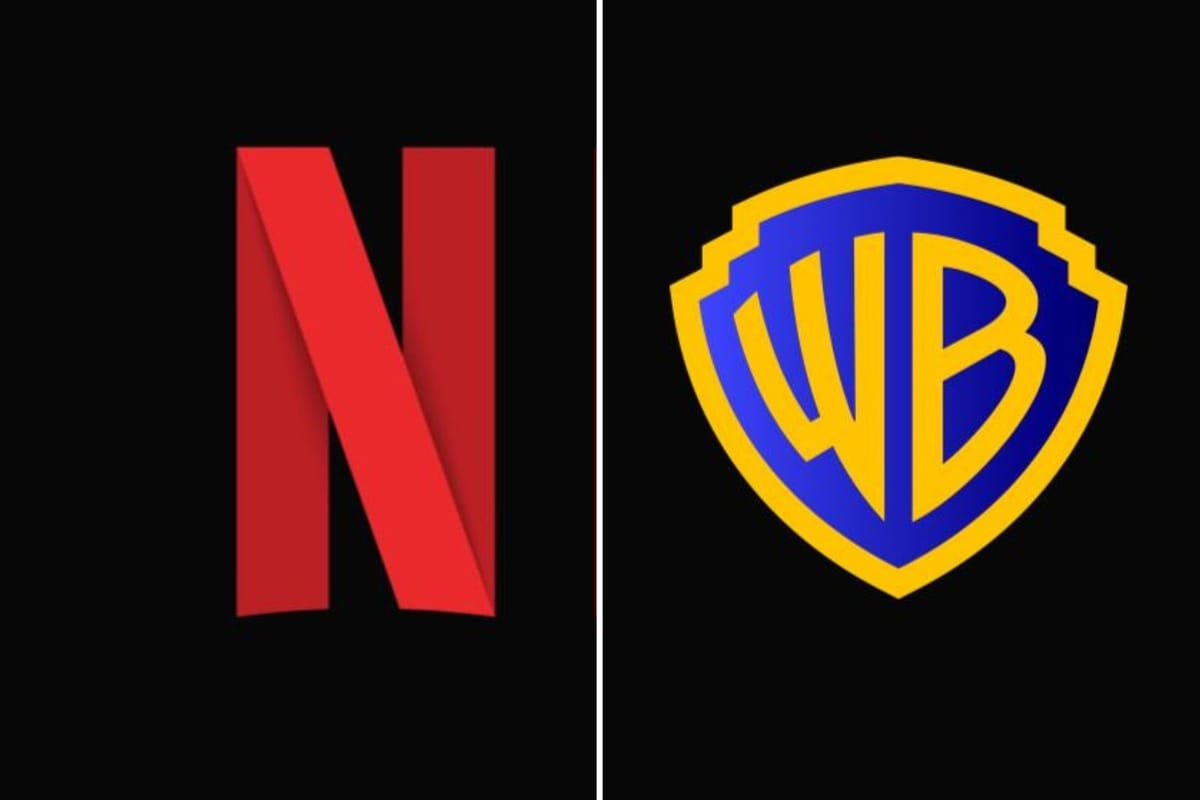
Netflix’s proposed $82.7 billion acquisition of Warner Bros. Discovery has raised alarm bells across Hollywood. Writers, producers, directors, and theater owners are voicing strong concerns, warning that the deal could hurt creative talent, reduce movie diversity, and disrupt the film industry.
The Writers Guild of America (WGA) has been particularly vocal, insisting that the merger “must be blocked.” The guild argued that allowing the world’s largest streaming company to absorb a major studio would likely eliminate jobs, suppress wages, and raise prices for audiences.
Industry Experts Warn of Big Risks
The fears come amid a challenging period in Hollywood. Movie and TV production has slowed, theater attendance has dropped, and studios are cutting jobs. Paramount’s sale earlier this year set a precedent for major acquisitions, making Netflix’s Warner Bros. deal a potential game-changer.
Warner Bros. accounts for about a quarter of North American ticket sales, roughly $2 billion, and the acquisition by Netflix — a company known for shunning traditional theatrical releases — has sparked concerns. Netflix co-CEO Ted Sarandos has promised to continue releasing Warner Bros. films in theaters, but industry insiders remain skeptical.
Michael O’Leary, CEO of Cinema United, warned that the acquisition could threaten theaters of all sizes, from large chains to small independent screens. Director James Cameron, known for blockbuster hits like Titanic and Avatar, described the deal as a potential disaster, citing Netflix’s history of downplaying theatrical releases.
Netflix’s Defense
In a conference call with investors, Ted Sarandos defended the merger, stating that Netflix’s hesitation toward theater releases was mostly due to long exclusive release windows which he argued are not “consumer-friendly.” He reassured that Warner Bros.’ current operations, including planned theatrical releases, will continue under Netflix ownership.
Netflix and Warner Bros. see the deal as an opportunity to combine complementary strengths, offering more content choices, value for viewers, and creative opportunities for talent. Warner Bros. CEO David Zaslav emphasized that the sale reflects the industry’s ongoing transformation in how films are financed, produced, and distributed.
Concerns from Guilds and Celebrities
Multiple Hollywood guilds have expressed unease over the merger:
- Producers Guild of America (PGA): Worried about the future of Warner Bros. and its impact on creative work.
- Directors Guild of America (DGA): Raised concerns over pay and creative opportunities; director Christopher Nolan, DGA president, has criticized Netflix’s online-only model.
- Screen Actors Guild (SAG): Questioned how the deal could affect the livelihoods of actors and other talent.
Even Oscar-winning actress Jane Fonda spoke out, warning that the consolidation could be “catastrophic” for creative freedom, workers, and the independent media ecosystem.
Why the Deal Matters
If approved, the Netflix-Warner Bros. merger could reshape Hollywood as we know it:
- Increased market consolidation, reducing competition.
- Possible job losses and decreased bargaining power for creative talent.
- Potential shift in content strategy, favoring streaming over theaters.
- Fewer diverse movies, with the risk of a smaller range of stories for audiences.
On the other hand, Netflix and Warner Bros. argue that the merger could create new creative opportunities, more content choices, and stronger financial backing for films and shows.
What’s Next
Regulators are likely to scrutinize the deal under antitrust laws, given the potential impact on competition and the entertainment industry. Industry insiders, celebrities, and guilds are expected to continue lobbying for protections to ensure that jobs, wages, and creative diversity are safeguarded.
Meanwhile, Netflix has promised to maintain Warner Bros.’ operations and build on the studio’s strengths, including theatrical releases. The next few months will determine whether Hollywood’s concerns will lead to changes in the deal or tighter regulatory oversight.