Gunfire and Blasts Rock Mali as Attackers Hit Capital and Other Cities
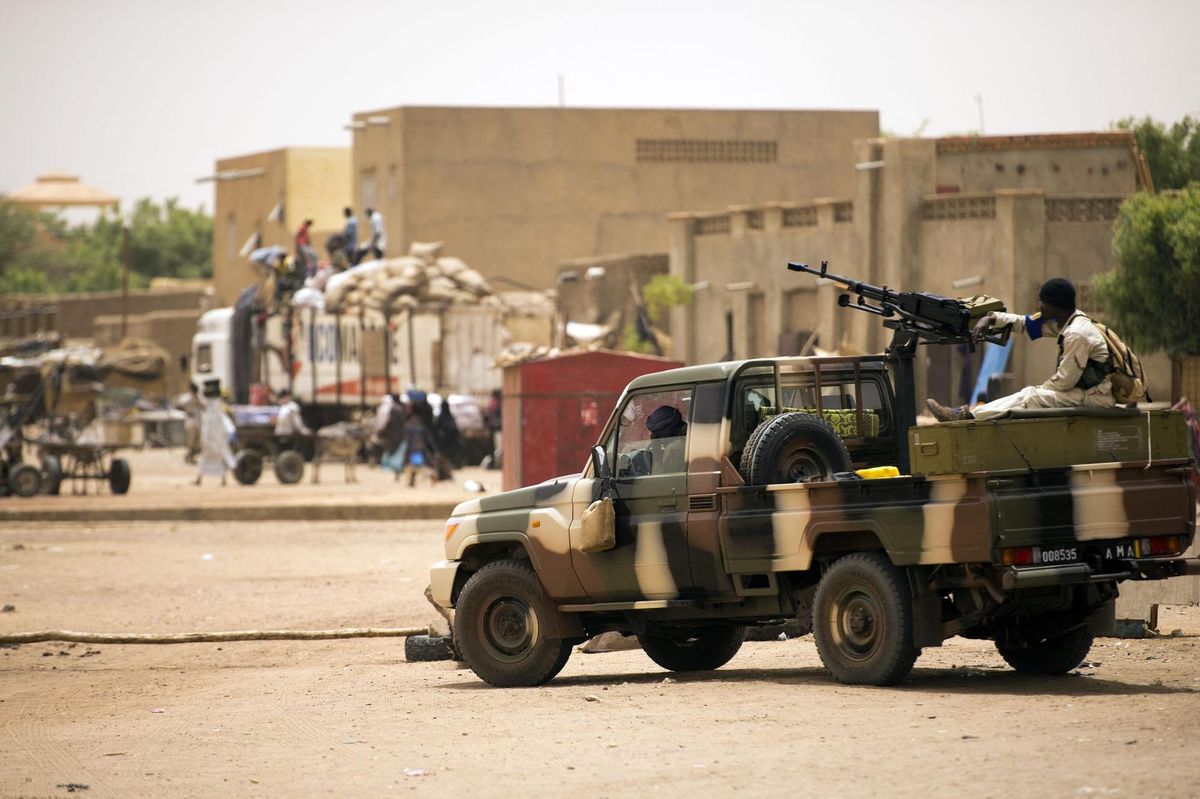
A wave of coordinated attacks involving gunfire and explosions has shaken Mali, with residents reporting violence in the capital Bamako as well as multiple other cities. The incidents have triggered panic among civilians and raised fresh concerns about the deteriorating security situation in the conflict-hit West African nation.
According to eyewitness accounts, loud blasts and sustained gunfire were heard across parts of Bamako early in the day, with similar reports emerging from regional towns. Residents described scenes of chaos as security forces rushed to affected locations, setting up checkpoints and restricting movement. While official confirmation on casualties and the exact number of attacks remained limited at the time of reporting, early indications suggest a coordinated assault targeting both civilian and security installations.
The Malian government has yet to release a detailed statement, but security sources indicate that armed groups suspected to be linked to Islamist insurgencies operating in the Sahel region may be responsible. Mali has been grappling with extremist violence for over a decade, with groups affiliated to al-Qaeda and ISIS frequently carrying out attacks on military bases, government offices, and civilian populations.
The latest violence appears to mark a troubling escalation, particularly because of its spread into urban centers. While rural and northern regions of Mali have long been hotspots of insurgent activity, attacks in Bamako are relatively rare and tend to signal a significant breach in national security defenses. Analysts warn that such incidents are often designed to demonstrate the reach and capability of militant groups.
Residents in Bamako reported seeing heavily armed personnel deployed across key junctions, with some neighborhoods effectively locked down. Public transport services were disrupted, and several businesses shut their doors as a precaution. Social media videos, yet to be independently verified, appeared to show plumes of smoke rising from different parts of the city, further fueling anxiety among citizens.
The situation in other cities remains fluid, with local reports suggesting simultaneous or near-simultaneous strikes. This pattern has led experts to believe that the attacks were pre-planned and coordinated to stretch security forces thin. Such tactics are commonly used by insurgent groups to maximize impact and create widespread instability.
Mali’s ongoing security crisis has been compounded by political instability in recent years, including military coups and strained relations with international partners. The withdrawal or reduction of foreign military support has also raised concerns about the country’s ability to contain extremist threats on its own. Regional cooperation through Sahel alliances has faced challenges, further complicating counterterrorism efforts.
International observers are closely monitoring the developments, with fears that escalating violence in Mali could have broader implications for stability across West Africa. Neighboring countries have already experienced spillover effects from the Sahel conflict, making the situation in Mali particularly critical.
As authorities continue to respond to the attacks, the priority remains restoring order and ensuring civilian safety. However, the scale and coordination of the violence highlight the persistent challenges facing Mali’s security apparatus. The coming days will be crucial in determining the full extent of the damage and the government’s capacity to respond effectively.