Google Co-Founder Larry Page Prepares Exit From California Amid Wealth Tax Fears
Larry Page May Be Preparing to Leave California
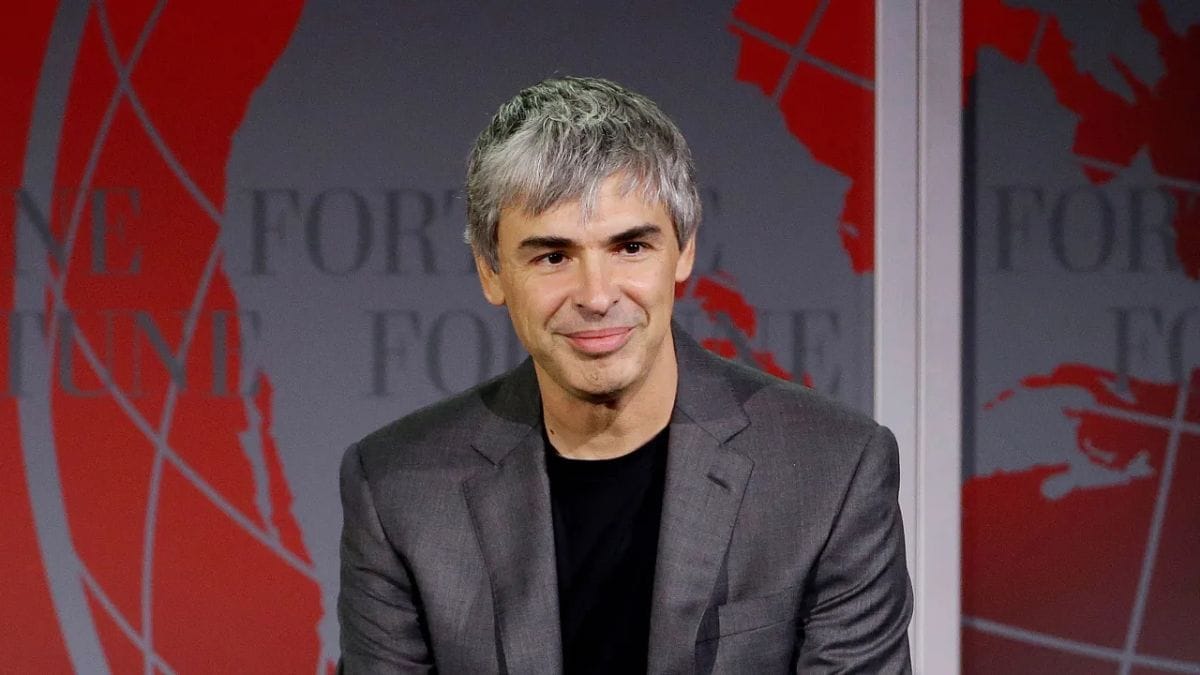
Larry Page, the Google cofounder who helped turn Silicon Valley into a global technology powerhouse, appears to be quietly distancing himself from the state that shaped his career and fortune. Recent legal filings suggest that Page is moving several major personal and business entities out of California, a move that comes as the state debates a controversial wealth tax aimed at billionaires.
While Page has not made any public announcement, the changes are hard to ignore. They point to a careful strategy to reduce exposure to a proposed tax that could cost the world’s wealthiest individuals billions of dollars.
The Wealth Tax That Sparked the Shift
What California Is Proposing
California lawmakers and activists are pushing a ballot initiative that would impose a one-time wealth tax on residents with net worths above $1 billion. The tax rate would be set at 5% of total assets, with payments spread over five years. Most of the revenue would be directed toward healthcare funding.
If approved by voters, the tax would apply retroactively to anyone considered a California resident as of January 1, 2026. That detail has made the proposal especially alarming for ultra-wealthy individuals, as it leaves little room for last-minute planning.
California is home to roughly 200 billionaires, many of them tied to the technology sector. For those individuals, the financial stakes are enormous.
Why Larry Page Has So Much at Risk
A Fortune Measured in Hundreds of Billions
Larry Page’s net worth is estimated at around $270 billion, placing him among the richest people in the world. Most of his wealth comes from his stake in Google’s parent company, Alphabet, as well as various private ventures.
Under the proposed tax, Page could owe California roughly $13 billion. Even for someone of his wealth, that is a staggering amount. It is not surprising, then, that Page appears to be taking steps to protect his assets before any final decision is made.
Moving Assets Out of California
A Series of Quiet Legal Changes
According to state filings, several entities linked to Page have been converted out of California and incorporated in Delaware. Among them is Koop, Page’s family office, which manages his investments and wealth. The conversion took place just days before the end of December.
Other entities tied to Page have followed a similar path. Flu Lab LLC, a healthcare testing company associated with him, was moved to Delaware. One Aero, widely believed to be a shell company funding Page’s long-running interest in flying car technology, was also converted.
Even Oceankind, an ocean conservation nonprofit founded by Page’s wife Lucy Southworth, has shifted its legal home from California to Delaware.
Why Delaware Is a Popular Choice
Delaware is well known as a corporate-friendly state. It offers flexible business laws and does not require limited liability companies to publicly disclose their owners. For wealthy individuals, it provides privacy and predictability.
By relocating these entities, Page appears to be reducing his financial and legal footprint in California ahead of the potential tax deadline.
Has Larry Page Already Left the State?
Reports Suggest a Physical Exit
Beyond asset transfers, there are indications that Page himself may have already left California. Media reports citing anonymous sources suggest that he no longer resides in the state.
Earlier coverage also indicated that Page, along with venture capitalist Peter Thiel, was considering leaving California before the end of 2025. While Page has not commented publicly, the timing of these corporate moves strongly suggests preparation for a residency change.
Efforts to reach Page for comment have so far been unsuccessful.
A Broader Trend Among Billionaires
California’s Growing Exodus Problem
Larry Page is far from alone. Over the past several years, a growing number of wealthy individuals and major companies have moved their operations out of California.
High taxes, strict regulations, and rising costs of living are frequently cited as reasons for leaving. States like Texas and Florida, which offer lower taxes and more business-friendly environments, have become popular destinations.
Elon Musk famously moved from California to Texas in 2020, a decision estimated to have saved him billions in taxes. Since then, companies such as Oracle, Hewlett Packard Enterprise, and Charles Schwab have also relocated major operations away from the Golden State.
Critics Warn of Long-Term Consequences
Some tech leaders argue that the proposed wealth tax could accelerate this trend. They warn that pushing billionaires and major companies out of California could ultimately reduce the tax base and weaken funding for the very services the tax aims to support.
They also fear long-term damage to innovation, investment, and job creation if capital continues to flow out of the state.
Not Everyone Is Worried
Jensen Huang Takes a Different View
While Larry Page appears to be acting cautiously, not all billionaires share his concern. Nvidia CEO Jensen Huang has publicly said he is not bothered by the proposed tax.
Huang has stated that he chose to live in Silicon Valley and accepts whatever taxes come with that decision. He has emphasized that access to talent and the region’s innovation ecosystem matter more to him than tax considerations.
In fact, Nvidia is reportedly expanding its presence in the Bay Area, recently securing office space in San Francisco. This suggests that, for some companies, California still offers enough advantages to outweigh financial drawbacks.
What This Means for California’s Future
A State at a Crossroads
The debate over the wealth tax highlights a deeper question about California’s economic future. Can the state continue to fund ambitious social programs without driving away its richest residents? Or will aggressive taxation ultimately shrink the pool of people able and willing to pay?
Supporters argue that billionaires should contribute more to address inequality and fund essential services. Opponents counter that wealth is mobile and that punitive policies risk pushing money and innovation elsewhere.
Larry Page’s actions suggest that at least some of the state’s wealthiest residents are unwilling to wait and see how the debate plays out.
A Silent Signal From a Tech Pioneer
Larry Page helped build one of the most influential companies in history from the heart of Silicon Valley. His apparent move away from California sends a powerful signal, even without a public statement.
It reflects uncertainty, caution, and a willingness to act early in the face of policy risk. Whether many others will follow his lead remains to be seen.
As voters prepare to weigh in on the proposed tax, California faces a defining moment. The outcome could shape not only the state’s finances, but also its reputation as the world’s leading hub for technology and innovation.