
Gold Prices Slip Below $5,000 After Rally: Profit Booking, Inflation Signals and Market Uncertainty Explained
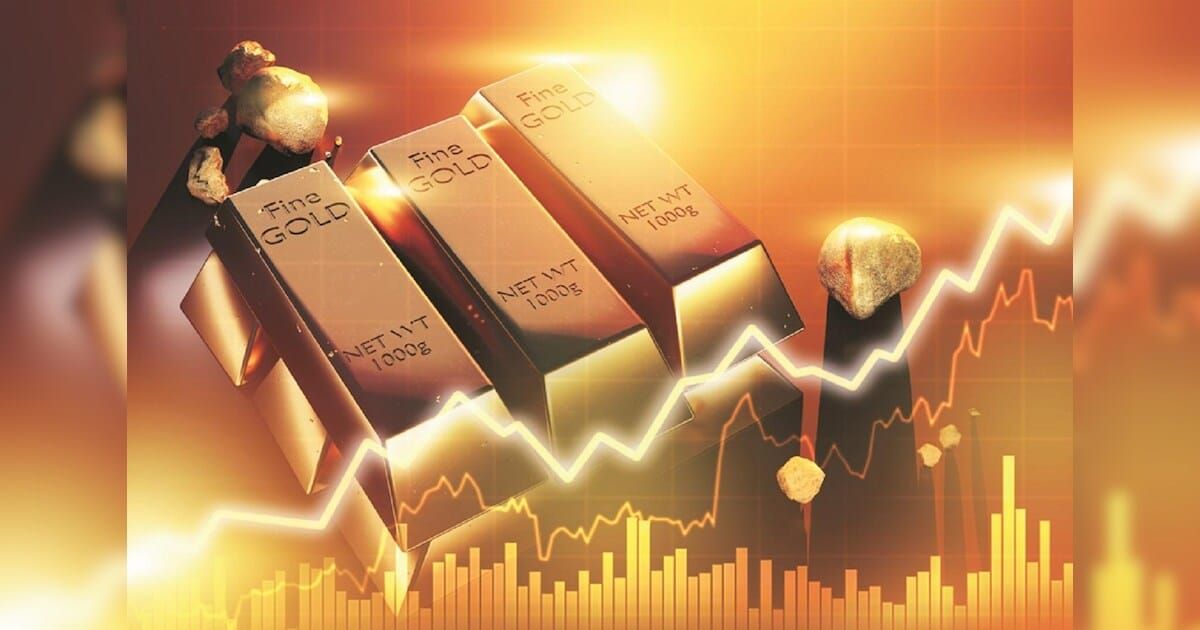
Gold Pulls Back After Recent Surge
Gold prices recently slipped below the $5,000 per ounce mark after a strong rally in the previous trading session. The drop mainly happened because many investors decided to book profits following gains triggered by encouraging inflation data from the United States.
While the fall may seem dramatic at first glance, analysts say this kind of movement is quite normal in a volatile market. Precious metals like gold often move in cycles of sharp gains followed by corrections as traders reassess economic signals and global risks.
This latest dip reflects a mix of profit-taking, shifting expectations around interest rates and broader market uncertainty. Let’s break down what’s happening, why gold prices moved and what experts expect next.
Why Gold Prices Dropped Recently
Profit Booking After Strong Gains
One of the main reasons behind the decline is simple: investors locking in profits. Gold had climbed more than 2 percent in the previous session, driven largely by softer-than-expected US inflation data.
When prices rise quickly, many traders sell part of their holdings to secure gains. This selling pressure can temporarily push prices lower even if the long-term outlook remains positive.
Inflation Data and Interest Rate Expectations
Recent US inflation figures suggested a modest rise in consumer prices rather than a sharp increase. This eased fears of aggressive monetary tightening.
Lower inflation often strengthens expectations that the Federal Reserve might reduce interest rates in the future.
Gold typically benefits from lower interest rates because:
- It does not pay interest itself
- Lower rates reduce the opportunity cost of holding gold
- Investors often seek safe assets when monetary policy loosens
However, after the initial rally, the market cooled as traders reassessed the situation.
Analysts Say Market Is in a “Rebalancing Phase”
Strategists at Pepperstone Group Ltd. describe the current gold market as being in a balancing phase between buyers and sellers.
Attempts to push prices significantly higher have repeatedly faced resistance around the $5,100 level. Each time prices approach that zone, profit-taking increases and prices pull back.
This pattern suggests the market is searching for a clear catalyst before making its next big move.
Impact of Global Market Conditions
Lower Trading Activity in Asia
Gold trading liquidity has been slightly thinner recently because Chinese markets are closed for the Lunar New Year holiday.
China is one of the world’s largest consumers of gold, so reduced activity there often affects global trading volume and price movements.
Authorities in the city of Shenzhen have also issued warnings about illegal gold trading schemes, including leveraged investment apps and aggressive online bullion promotions.
Such developments can influence investor sentiment and market dynamics.
Strong Demand Still Exists
Despite short-term fluctuations, demand for gold remains robust. Factors driving interest include:
- Geopolitical tensions
- Economic uncertainty
- Concerns about currency stability
- Diversification away from traditional financial assets
These structural drivers continue to support gold prices over the long term.
The Big Rally Earlier This Year
Gold hit a record high above $5,595 per ounce earlier this year. This surge was fueled by speculative buying and growing investor interest in safe-haven assets.
However, markets rarely move in straight lines. After reaching record levels:
- Prices briefly dropped close to $4,400
- Volatility increased
- Traders reassessed economic indicators
Since then, gold has recovered about half of those losses, showing resilience despite fluctuations.
Expert Views on Gold’s Future
Analysts at Vantage Markets say recent price moves reflect healthy consolidation rather than a major reversal.
Consolidation means the market stabilizes after a big move, allowing buyers and sellers to reassess positions before the next trend emerges.
Meanwhile, ANZ Group Holdings Ltd. expects gold prices to rise further, potentially reaching around $5,800 per ounce in the coming months.
Many financial institutions share this optimistic outlook, citing:
- Persistent geopolitical uncertainty
- Questions about monetary policy independence
- Continued investor interest in alternative assets
Other Precious Metals Also Declined
Gold was not alone in seeing price pressure. Other precious metals also dipped:
- Silver dropped slightly
- Platinum and palladium moved lower
- The US dollar strengthened modestly
Because precious metals often move inversely to the dollar, a stronger dollar can make them more expensive for international buyers.
Key Factors That Could Move Gold Next
Interest Rate Decisions
Central bank policies remain one of the biggest drivers of gold prices. Lower rates usually support gold, while higher rates can weaken demand.
Geopolitical Events
Political tensions, conflicts or trade disruptions often increase demand for safe-haven assets like gold.
Inflation Trends
Persistent inflation typically supports gold as a hedge against currency depreciation.
Currency Market Movements
Fluctuations in the US dollar strongly influence gold prices globally.
What Investors Should Keep in Mind
Volatility Is Normal
Gold markets frequently experience sharp short-term swings. These do not always signal long-term trend changes.
Diversification Matters
Experts often recommend gold as part of a diversified portfolio rather than a standalone investment.
Long-Term Drivers Still Exist
Despite recent dips, structural factors supporting gold remain intact.
Final Thoughts
Gold’s recent dip below $5,000 per ounce reflects typical market behavior after a strong rally. Profit-taking, inflation expectations and global market conditions all contributed to the pullback.
While short-term volatility may continue, many analysts remain optimistic about gold’s longer-term outlook. Persistent economic uncertainty, evolving monetary policies and global demand continue to support the precious metal.
For investors, the key takeaway is to stay informed, avoid panic during short-term fluctuations and focus on broader financial trends rather than daily price movements.