
Fury Road’s Struggle with the Desert’s Harsh Environment – Sky Bulletin
[ad_1]
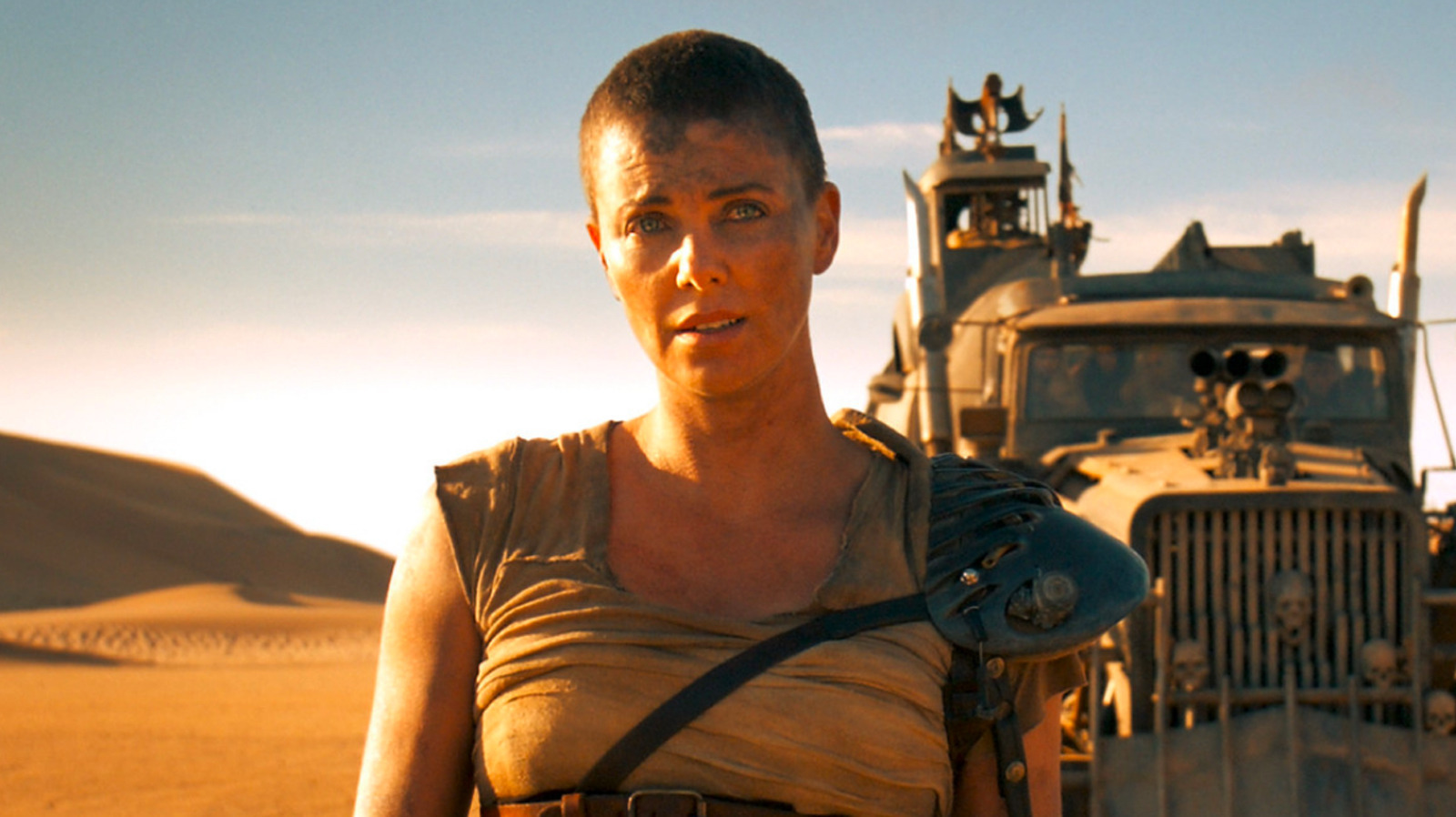
Andy Williams, the special effects supervisor for Mad Max: Fury Road, highlighted the complications of working amidst the dusty conditions of the Namibian desert, where silica makes up 60% of the sand. Despite the hazards, director George Miller believed that “dust is our friend” for the film’s aesthetic, although not without recognizing the risks to equipment and health. “Apart from the fact that you shouldn’t be breathing it in, it gets into everything, it ruins every piece of equipment, it’s a nightmare,” remarked Williams. Yet, the visual results were evidently worth it in Miller’s vision.
While Miller saw value in the challenging conditions, not all were pleased; Charlize Theron found difficulty in different aspects of the production, including Miller’s unconventional approach with the script, the harrowing shoot conditions, and the location itself. In spite of that, Theron used her discomfort to inform her performance. Miller recalled her distaste for the omnipresent dust, yet saw her determination as she would deliberately get dusty after leaving makeup and wardrobe as part of her morning preparation routine for the character.
FAQs about Fury Road’s Dusty Challenges
Was the dust actually beneficial for Mad Max: Fury Road’s visuals?
Yes, director George Miller viewed the dust as a visual advantage even if it posed practical challenges during filming.
Did Charlize Theron struggle with the filming conditions of Fury Road?
Yes, Theron had several issues with the desert conditions and Miller’s directorial style, yet she channeled her aversion to dust into her performance.
How did the dust affect filming equipment?
The silica-laden dust of the Namibian desert was harmful for the equipment, causing damage and creating a challenging work environment.
What were the health concerns associated with the dust?
Inhaling the dust, especially silica dust, could pose health risks, emphasizing the need for precautions during the shoot.
Did the filming take place entirely in the Namibian desert?
While the specifics are not mentioned, it is implied that a significant portion of the shooting took place in the Namibian desert.
Conclusion
The production of Mad Max: Fury Road exemplifies how demanding film shoots can become when set against the backdrop of unforgiving natural environments. The crew’s perseverance through choking dust and equipment hazards, paired with the cast’s dedication to transform these challenges into compelling performances, notably Charlize Theron’s, contributed to the powerful cinematic experience that the film is celebrated for. Despite the discomfort and potential health risks, the team on Fury Road managed to leverage the harsh desert conditions to serve the film’s aesthetic, fulfilling George Miller’s unique vision and illustrating the unwavering commitment to artistry in filmmaking.
[ad_2]