
From AI Feeds to Open Code: Why Elon Musk Is Unlocking X’s Algorithm Now
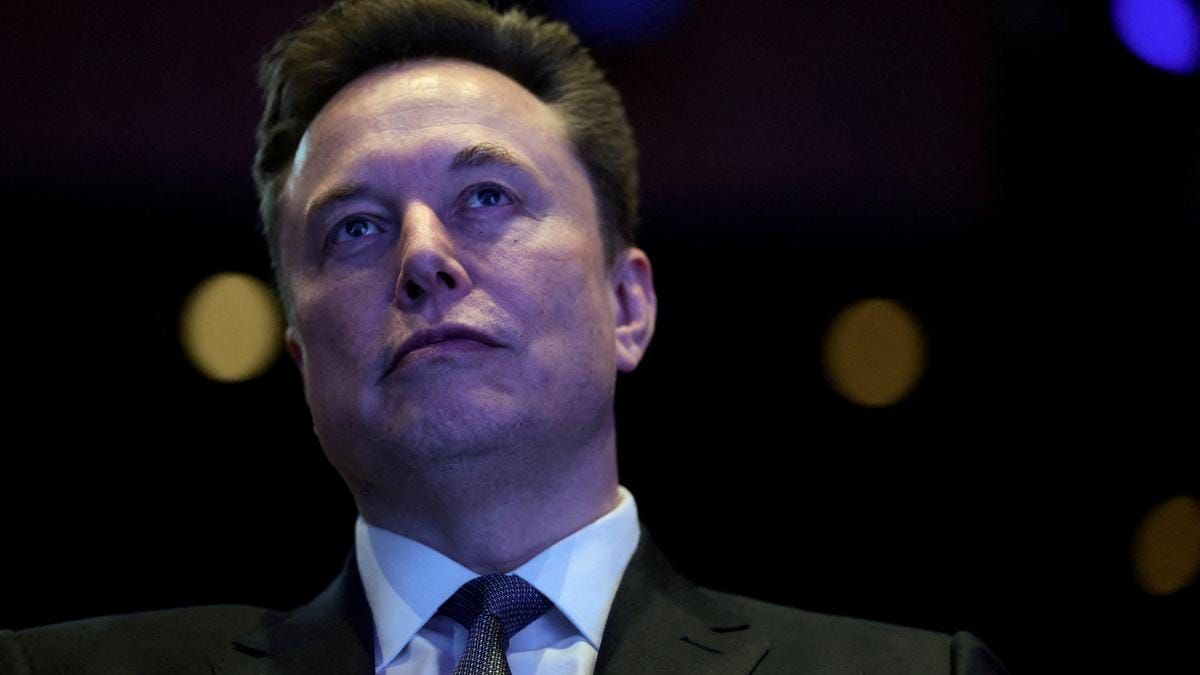
Elon Musk Says X Will Open Its Algorithm to the Public in Seven Days
Elon Musk has announced that social media platform X will make its core recommendation algorithm public within the next seven days. The move will reveal the code that determines which posts and advertisements users see on their feeds, marking a major step toward transparency for the platform.
Musk made the announcement on Saturday through a post on X, stating that this would not be a one-time release. According to him, the company plans to update the open-source algorithm every four weeks, along with detailed developer notes explaining what has changed and why.
The announcement has sparked fresh debate around transparency, content moderation, artificial intelligence, and the growing scrutiny X faces from governments and regulators across the world.
What Does Opening the Algorithm Mean?
How the Recommendation System Works
The algorithm on X plays a critical role in shaping user experience. It decides which posts appear in the For You feed, how content is ranked, and which advertisements are shown to users. By opening this code to the public, X will allow developers, researchers, and critics to examine how content is selected and promoted.
This is a significant shift for a major social media platform, as recommendation algorithms are typically closely guarded trade secrets.
Regular Updates Every Four Weeks
Musk said the algorithm will be updated publicly every four weeks. Each update will include detailed notes aimed at developers and technically inclined users, explaining the changes made to the system.
According to Musk, the goal is to help people better understand how the platform evolves over time, rather than leaving users guessing about sudden changes to their feeds.
Why Is X Making the Algorithm Public Now?
Rising Pressure From Regulators
While Musk did not explicitly explain the timing of the move, X has been under intense regulatory pressure in multiple regions. Governments and regulators have raised concerns about misinformation, bias, lack of transparency, and inadequate content moderation.
European regulators, in particular, have increased scrutiny under digital services laws that demand greater accountability from large tech platforms.
Past Clashes With Authorities
In July, French authorities asked X to share its recommendation algorithm as part of an investigation into alleged bias and manipulation. X refused, calling the probe politically motivated.
The decision to now open-source the algorithm globally may be an attempt to reset the conversation and demonstrate voluntary transparency rather than forced compliance.
User Complaints and Algorithm Bugs
Fewer Posts From Followed Accounts
Over the past year, many users complained that their feeds showed fewer posts from people they actually follow. Instead, they reported seeing more unrelated or promoted content in the For You section.
In October, Musk acknowledged that X had discovered a significant bug in the recommendation system and promised a fix. He later said improvements users were noticing were not due to manual tweaking but because of increased reliance on artificial intelligence.
Fixing Trust Issues
Opening the algorithm could help rebuild trust among users who believe platforms manipulate feeds for political or commercial reasons. By making the code public, X is effectively inviting outsiders to audit its system.
However, critics argue that transparency alone does not guarantee fairness or safety, especially if harmful content continues to circulate.
Grok and the Push Toward AI-Driven Feeds
The Role of Grok in Recommendations
A major part of X’s algorithm overhaul involves Grok, Musk’s artificial intelligence chatbot. Musk has said the long-term goal is for X’s recommendation engine to be almost entirely AI-driven.
According to him, Grok and other AI tools now evaluate posts and decide which content is most relevant to individual users.
Evaluating Over 100 Million Posts Daily
Musk has claimed that X aims to have Grok assess more than 100 million posts published each day. Based on this analysis, the AI would recommend content tailored to each user’s interests.
He has described this shift as a major upgrade that will significantly improve feed quality and reduce the need for manual adjustments by human moderators.
Controversy Around Grok’s Image Generation
Regulatory Backlash Over Sexualized Content
Despite Musk’s optimism, Grok has faced serious criticism from global regulators. The AI’s image-generation feature was accused of producing sexualized images involving women and children.
These concerns triggered investigations and swift responses from several governments.
Indonesia and the UK Take Action
Indonesia temporarily blocked access to Grok following an investigation into the generation of explicit content. In the UK, Prime Minister Keir Starmer publicly urged X to take immediate corrective action.
The UK government warned that platforms failing to comply with local laws could face restrictions or be blocked altogether.
Shift to Paid Image Features
In response to criticism, X announced that Grok’s image-generation and editing features would now require a paid subscription. Previously, these tools were available for free with daily usage limits.
The move suggests growing caution around AI capabilities that regulators believe pose social and ethical risks.
Musk’s History of Algorithm Transparency Promises
Promises Made, Mixed Follow-Through
Musk has spoken for years about making X’s algorithms public. While parts of the code have been shared in the past, critics say the releases were incomplete or outdated.
The new promise of regular, scheduled updates could signal a more structured and serious commitment to openness.
Vision of a Fully AI-Driven Platform
In September, Musk wrote that the ultimate goal was for X’s recommendation system to rely entirely on artificial intelligence rather than human-defined rules.
He emphasized that future improvements in user feeds would come from smarter AI models, not from individual employees adjusting content priorities.
What This Means for Users and Developers
Greater Insight, Limited Control
For developers and researchers, access to the algorithm offers a rare chance to study how one of the world’s largest social platforms operates.
For everyday users, however, transparency may not immediately translate into greater control over what they see. Understanding complex AI-driven code remains challenging for non-technical audiences.
Potential Risks of Open Algorithms
Some experts warn that making algorithms public could allow bad actors to game the system more easily. Spammers and misinformation networks might exploit known ranking signals to amplify harmful content.
X has not yet detailed how it plans to balance openness with security and abuse prevention.
A Strategic Move at a Critical Time
The decision to open X’s algorithm comes at a moment when trust in social media platforms is low and regulatory oversight is increasing. By embracing transparency, Musk appears to be positioning X as a platform willing to challenge industry norms.
Whether this move will ease regulatory pressure, improve user satisfaction, or create new challenges remains to be seen.
What is clear is that the next few weeks will be closely watched by governments, competitors, developers, and millions of X users worldwide as the platform reveals the code that shapes their daily online experience.