Former Sri Lankan Intelligence Chief Linked to 2019 Easter Sunday Attacks That Killed 279 People
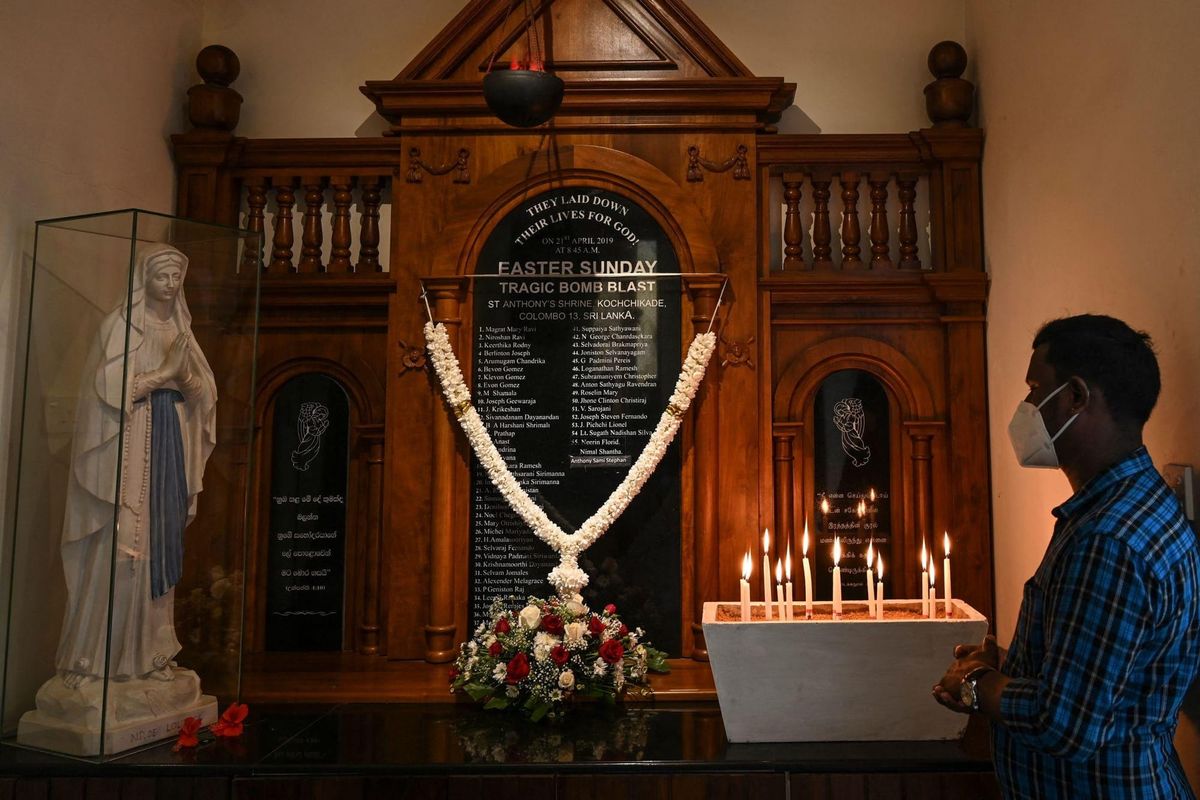
COLOMBO, June 11, 2026: Sri Lanka’s government has made a significant and controversial claim in the long-running investigation into the 2019 Easter Sunday bombings, alleging that former intelligence chief Major General (Retd.) Tuan Suresh Sallay played a directing role in the attacks that killed 279 people and injured more than 500 others. The accusation marks the first time a senior state official has been formally linked by the government to one of the deadliest terrorist incidents in the nation’s history.
Public Security Minister Ananda Wijepala informed Parliament that ongoing investigations had uncovered evidence suggesting Sallay conspired with and strategically guided Islamist extremists before the coordinated suicide bombings were carried out. According to the minister, investigators believe the former intelligence officer identified at least one Catholic church that later became a target during the attacks.
The Easter Sunday attacks took place on April 21, 2019, when suicide bombers struck three churches filled with worshippers attending Easter services and three luxury hotels in and around Colombo. The coordinated explosions shocked Sri Lanka and the international community, becoming the country's deadliest act of violence since the end of its civil war.
Authorities arrested Sallay in February 2026 under Sri Lanka’s Prevention of Terrorism Act as part of renewed investigations into the bombings. Officials stated that he was detained on allegations of aiding and abetting those responsible for the attacks. Since his arrest, investigators have continued gathering evidence regarding his alleged role in planning or facilitating the operation.
Sallay has strongly denied all accusations through his legal representatives. His lawyer maintains that the former intelligence chief had no involvement in the bombings and rejects claims that he collaborated with extremist groups. Supporters of Sallay have also questioned the credibility of some allegations, arguing that the investigation remains politically sensitive and highly contested.
The renewed focus on the Easter attacks follows years of controversy surrounding intelligence failures, unanswered questions, and allegations of political interference. Multiple investigations previously concluded that authorities received warnings before the attacks but failed to take sufficient preventive action. Critics have long argued that key information was ignored or inadequately shared among security agencies.
President Anura Kumara Dissanayake’s administration has pledged to pursue accountability and justice for victims’ families, many of whom have spent years demanding answers. The latest allegations against Sallay are expected to intensify political debate and could lead to further legal proceedings as investigators seek to determine whether state actors played a role in enabling or directing the attacks.
As court hearings and investigations continue, the Easter Sunday bombings remain one of the most painful chapters in Sri Lanka’s modern history. Families of the victims and religious communities continue to seek full accountability, hoping the ongoing inquiry will finally reveal the complete truth behind the tragedy that changed the nation forever.