
European Union Moves to Phase Out Chinese Equipment from Key Networks and Energy Systems
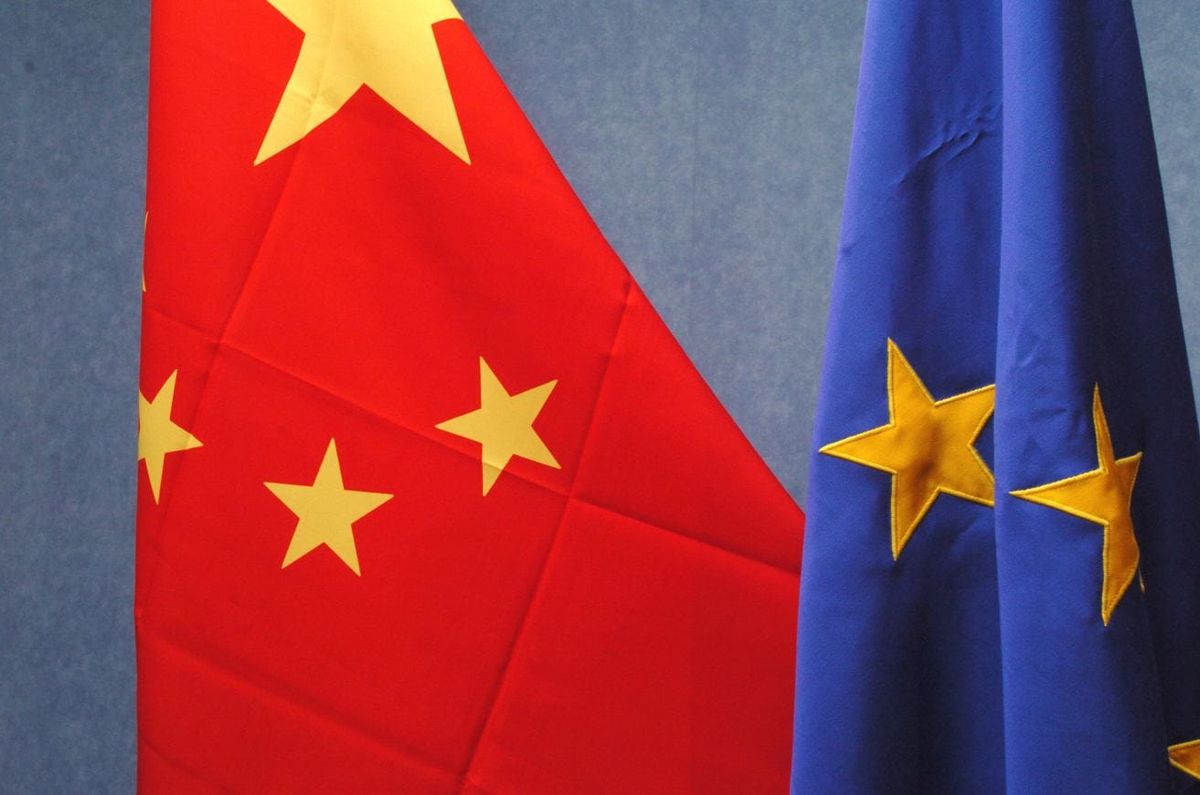
EU Set to Phase Out Chinese Equipment from Key Infrastructure
The European Union is preparing to remove Chinese-made equipment from its critical infrastructure, according to recent reports. Companies like Huawei and ZTE will be barred from telecom networks and solar energy systems under a new EU cybersecurity proposal.
Currently, rules restricting “high-risk” vendors are voluntary, but the new plan is expected to make them mandatory for all EU countries. This marks a significant shift in Europe’s approach to technology and national security.
Why the EU Is Acting
The move comes amid growing concerns over cybersecurity risks and reliance on foreign technology for essential services. EU officials are worried that Chinese equipment could pose security threats to critical infrastructure such as telecommunications and energy networks.
Some telecom companies in major European markets, including Spain and Germany, have previously resisted voluntary restrictions, citing costs and technical challenges. Making the measures mandatory is intended to ensure a uniform level of security across the bloc.
How the Phase-Out Will Work
The timeline for removing Chinese-made equipment will vary depending on the sector and the level of risk posed. Authorities will also consider the costs involved and the availability of alternative suppliers. The goal is to gradually replace vulnerable hardware without disrupting essential services.
The proposal is scheduled to be formally presented on Tuesday, after which EU member states will begin planning its implementation.
Huawei and ZTE in Europe
Huawei has recently completed a manufacturing plant in eastern France, but its future is uncertain amid stricter government rules on Chinese equipment and slow 5G rollouts. ZTE faces similar challenges, as European governments increasingly tighten controls over foreign technology providers.
The United States banned new approvals for Huawei and ZTE equipment in 2022 and has encouraged its allies, including EU countries, to follow suit. The EU’s move aligns with broader Western efforts to reduce dependence on Chinese technology.
Implications for European Telecom and Energy
This phase-out will affect telecom networks, 5G rollout plans, and solar energy systems across Europe. Operators will need to switch to alternative suppliers, which could involve significant investment and technical adjustments.
Some analysts predict that the ban could accelerate the adoption of European-made technology and strengthen local cybersecurity, but it may also slow down infrastructure projects temporarily due to the transition.
A Shift in Global Tech Policy
The EU’s new approach highlights a growing global trend: balancing technological advancement with security concerns. Governments worldwide are scrutinizing foreign suppliers and prioritizing national security over cost or convenience.
For China, the ban signals rising barriers to access Western markets, while for European countries, it is a step toward securing critical infrastructure and reducing reliance on potentially risky foreign technology.
What to Watch Next
Key developments will include:
- Official rollout of the EU proposal on Tuesday.
- Industry response from telecom operators and energy companies.
- Timelines for replacing Huawei and ZTE equipment across sectors.
- Broader geopolitical reactions, including China’s potential response.
The coming months could reshape Europe’s technology landscape, with long-term effects on trade, cybersecurity, and innovation.