EU Set to Lift EV Tariffs on China in New ‘Minimum Price’ Deal
The European Union is easing import restrictions on Chinese electric vehicles (EVs) following a new minimum price framework, potentially ending the hefty anti-subsidy tariffs of up to 35.3% imposed in October 2024.
Under the deal, Chinese EV makers can submit “price undertaking offers”, committing to a minimum selling price. If the EU approves, these companies could avoid the tariffs entirely, allowing smoother access to Europe’s rapidly growing EV market.
Details of the EU-China Pricing Framework
The European Commission said the framework results from 15 months of negotiations with the Chinese Commerce Ministry. It covers:
- Sales channels
- Cross-compensation measures
- Future investments in Europe
- Minimum price offers for EVs
Every submission will be assessed fairly and objectively, following World Trade Organization rules, Brussels confirmed.
“Each price undertaking offer is subject to the same legal criteria,” the Commission stated.
The Chinese Commerce Ministry welcomed the move, calling it a step forward in resolving long-standing trade disputes.
“The progress fully reflects the spirit of dialogue and consultation between China and the EU. It ensures healthy China-EU trade relations while safeguarding international trade rules,” the ministry said.
Who Benefits from the Deal?
The agreement could relieve major Chinese EV producers like BYD, Geely, and SAIC, which faced tariffs of 17%, 18.8%, and 35.3% respectively. These duties were set for five years following an EU investigation into alleged Chinese subsidies in the EV sector.
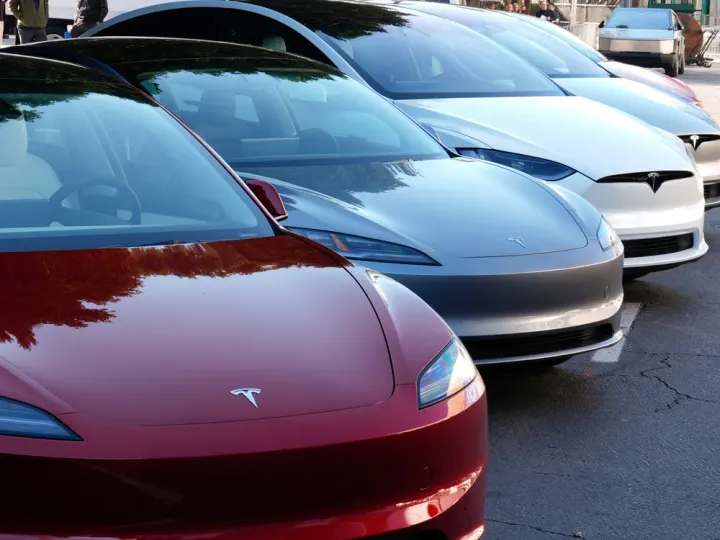
By comparison, Tesla received a lower rate of 7.8%, after an individual review of its case.
Why the EU Set a High Bar for China
Despite the relief, the EU is not letting subsidies slide easily. The new rules require Chinese automakers to counterbalance the negative effects of subsidies.
The EU argues that its domestic EV industry is struggling, with millions of jobs at risk:
- 2.5 million jobs directly threatened
- 10.3 million indirectly affected
Member states were divided on the tariffs in 2024, with only 10 out of 27 countries supporting them. Economies heavily dependent on trade with China, such as Germany, had expressed concerns about retaliation.
At the time, Beijing criticized the EU, arguing that Chinese EVs are cheaper because of efficiency, not subsidies.
“China's competitive advantage in EVs comes from a robust supply chain and intense market competition,” the Chinese Chamber of Commerce to the EU said.
Chinese EVs Are Rising in Global Markets
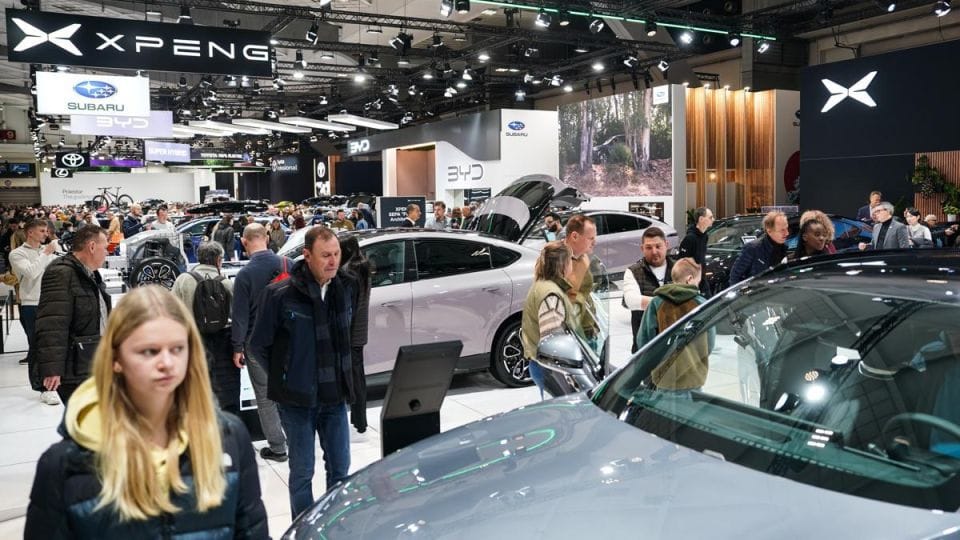
Since the imposition of tariffs, Chinese EVs have steadily increased their market share in Europe and worldwide. BYD overtook Tesla as the best-selling EV brand globally in 2025, signaling a major shift in the automotive landscape.
The EU’s new framework could further accelerate Chinese EV growth in Europe, offering more competitive options to consumers while maintaining oversight of market fairness.
What This Means for the EV Industry
- European consumers may see lower prices on Chinese EVs.
- Chinese automakers could expand their footprint in Europe without tariffs.
- Tesla and European EV makers face increasing competition from low-cost, high-quality imports.
- Regulatory precedent ensures the EU can intervene if companies attempt unfair pricing practices.
The move highlights how trade diplomacy and economic negotiations continue to shape the global EV market.