Elon Musk Reveals Tesla’s Robotaxi Plan: Why Production Will Start Slow but Could Change Transport Forever
A Big Vision With a Slow Beginning
The future of transportation could look very different if autonomous vehicles and humanoid robots become part of everyday life. That is the vision being pushed forward by Tesla Inc. as it prepares to begin production of its new robotaxi vehicle and humanoid robot projects.
However, despite the ambitious goals, Elon Musk has openly admitted that early production will be slow and challenging. According to him, nearly every component involved in these projects is new, which means the company must carefully build its manufacturing process from the ground up.
This realistic acknowledgment highlights a key point: groundbreaking innovation rarely happens overnight. Even the most advanced companies face hurdles when introducing entirely new technologies.
Tesla’s Robotaxi Dream Explained
What Is the Cybercab Concept?
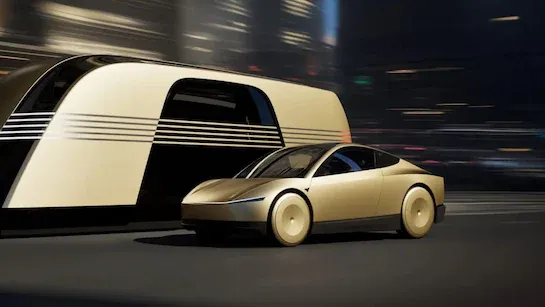
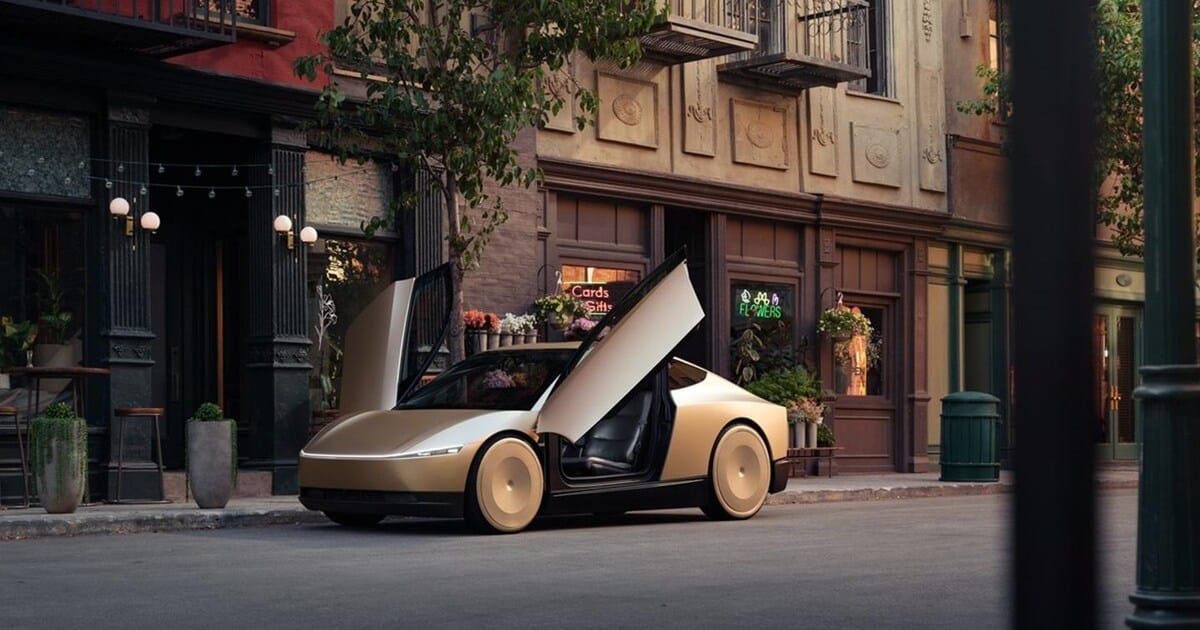
Tesla’s upcoming robotaxi, often referred to as the Cybercab, is designed as a fully autonomous two-seater vehicle. Unlike traditional cars, it is expected to operate without a steering wheel or pedals, meaning human driving control may not be required at all.
The goal is to create a vehicle specifically designed for autonomous ride-hailing services rather than personal ownership. Musk has suggested that, in the long run, such vehicles could operate in large fleets and significantly reduce transportation costs.
If successful, this could reshape urban mobility by offering cheaper, driverless rides while potentially reducing traffic congestion and emissions.
Production Goals and Cost Targets
Tesla aims to eventually produce up to two million robotaxis per year. The estimated price point of around $25,000 is intended to make the vehicle economically viable for large-scale ride-sharing operations.
However, Musk has cautioned that reaching such numbers will take time. Early production phases often move slowly because manufacturers must refine designs, test safety features and stabilize supply chains.
In other words, the vision is huge, but patience will be essential.
The Optimus Robot Project
A Robot Designed for Everyday Tasks
Alongside autonomous vehicles, Tesla is developing a humanoid robot called Optimus. The idea is to create machines capable of performing repetitive, dangerous or physically demanding tasks.
Potential applications range from factory work to logistics and even household assistance. The long-term ambition includes producing up to one million robots annually.
While that figure sounds impressive, Musk has clarified that scaling to such levels will depend on overcoming technical and manufacturing challenges.
Why Production Could Take Time
Building humanoid robots involves complex engineering, including advanced sensors, artificial intelligence software, precision motors and safety systems. Any delay in one component can slow the entire production chain.
Musk has described manufacturing as dependent on thousands of individual parts, where progress often moves at the speed of the slowest component.
This reality explains why even cutting-edge companies must carefully pace their rollout.
Current Autonomous Testing Efforts
Testing Before Mass Deployment
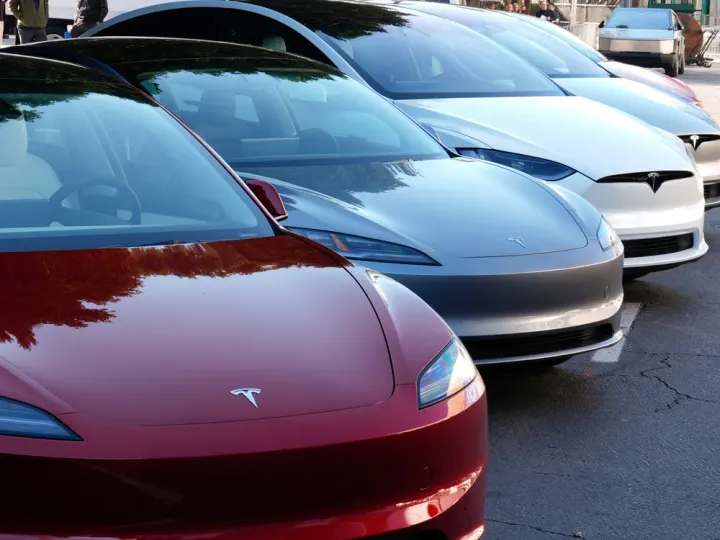
Tesla has already started experimenting with autonomous ride services using existing electric vehicles. Small-scale testing helps gather real-world data and improve software reliability before launching purpose-built robotaxis.
Such trials are essential because safety remains the biggest concern with autonomous transportation. Regulators, engineers and the public all expect rigorous testing before widespread adoption.
The Shift Toward Dedicated Autonomous Vehicles
Traditional cars adapted for autonomy still include manual driving controls. The Cybercab concept, however, is designed entirely around self-driving technology.
This difference could improve efficiency, reduce costs and simplify maintenance, but it also raises new regulatory and safety questions.
Financial Pressures Behind the Innovation
Investment in AI and Robotics
Tesla’s push into autonomy and robotics comes alongside significant financial investment. The company expects to spend billions on artificial intelligence infrastructure, manufacturing expansion and related technologies.
These investments reflect a strategic shift toward future industries rather than relying solely on electric vehicle sales.
While this approach could pay off long term, it also puts short-term pressure on profits and investor expectations.
Recent Profit Challenges
Tesla recently reported lower profits compared with previous years, partly due to heavy spending on innovation and competitive pressures in the electric vehicle market.
Such fluctuations are common when companies invest aggressively in emerging technologies. The payoff often comes later, once production scales and markets mature.
Manufacturing Changes and Strategic Moves
Factory Adjustments
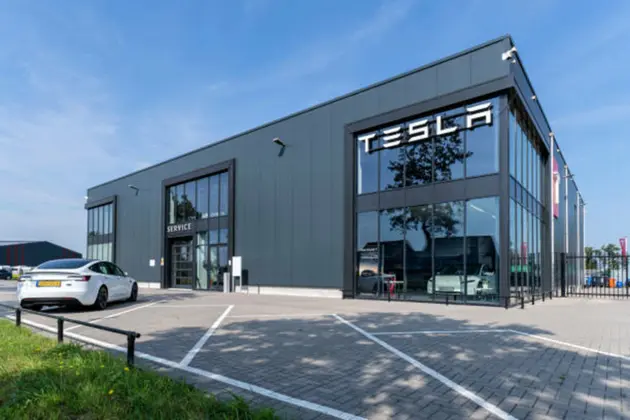
To support robotics production, Tesla plans to reorganize parts of its manufacturing facilities. Some existing vehicle production lines may be repurposed for robot manufacturing.
This indicates how seriously the company views its robotics ambitions.
Supply Chain Complexity
Producing advanced robots and autonomous vehicles requires specialized components that may not yet exist at large scale. Tesla is working to build much of this supply chain internally.
While this strategy offers control and flexibility, it can slow initial production.
The Bigger Picture: A Tech-Driven Future
How Robotaxis Could Change Cities
If robotaxis become widespread, they could transform transportation economics. Shared autonomous fleets might reduce the need for private car ownership, freeing up urban space and lowering travel costs.
However, challenges remain, including regulatory approval, public trust and technological reliability.
The Role of Humanoid Robots
Humanoid robots could address labor shortages, improve workplace safety and boost productivity. Industries such as manufacturing, healthcare support and logistics could benefit.
At the same time, discussions about job displacement, ethics and economic impact are likely to intensify.
Why Musk’s Caution Matters
Despite his reputation for bold predictions, Musk’s recent comments about slow production highlight an important shift toward realism. Acknowledging obstacles builds credibility and sets more practical expectations.
It also reminds investors and technology enthusiasts that innovation is a marathon, not a sprint.
Final Thoughts
Tesla’s robotaxi and humanoid robot initiatives represent some of the most ambitious technological projects currently underway. While the promise is exciting, early production challenges are inevitable.
Slow beginnings do not necessarily signal failure. Many transformative technologies, from electric cars to smartphones, faced long development periods before reaching mainstream adoption.
Whether Tesla ultimately achieves its ambitious goals remains uncertain. But one thing is clear: autonomous vehicles and advanced robotics are moving closer to reality, and their impact could reshape transportation, industry and daily life in the coming decades.